


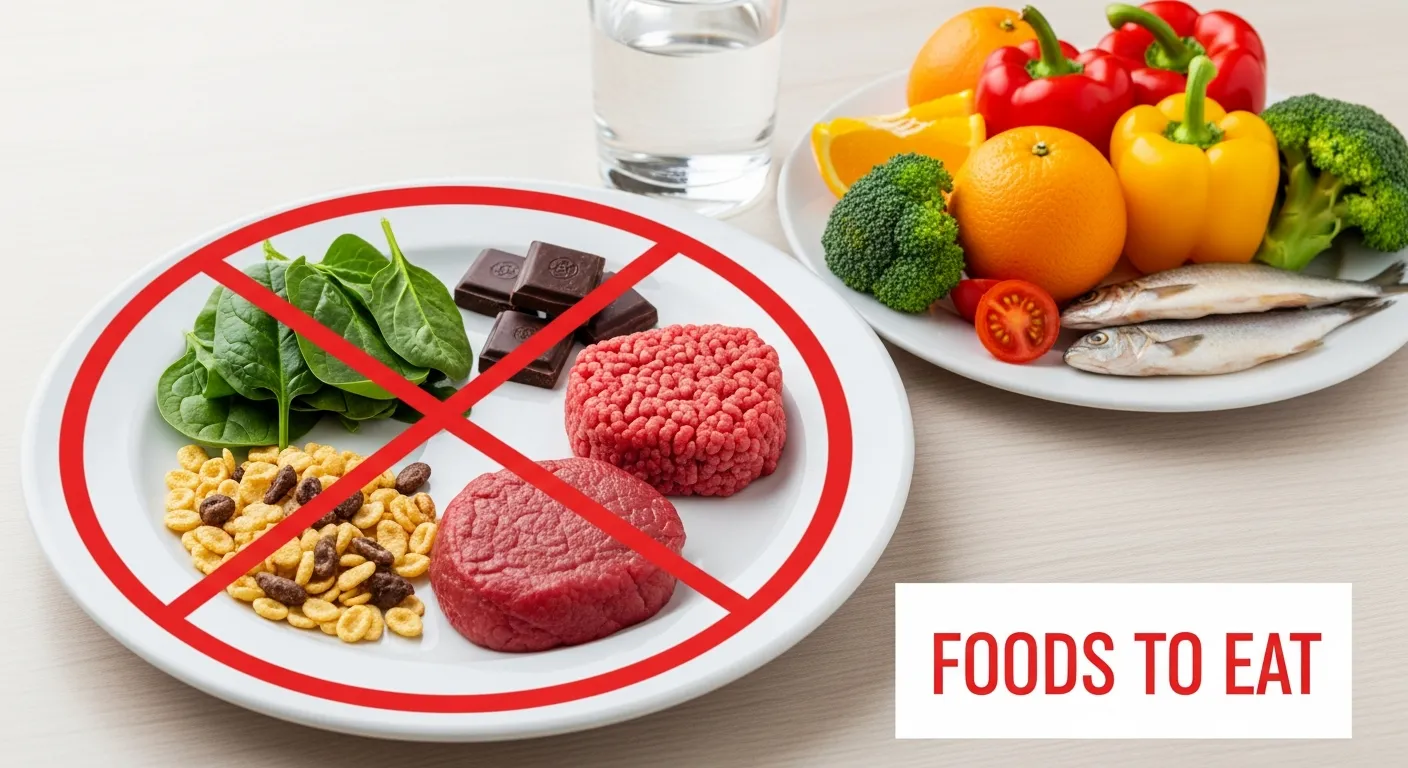
Foods to Avoid in Thalassemia explains which iron-rich and processed foods may worsen iron overload and related complications in thalassemia patients. Understanding proper dietary choices helps support blood health, improve energy levels, and manage thalassemia more safely alongside medical treatment.
Living with a genetic blood disorder requires careful attention to daily habits, and your diet plays a surprisingly large role in your overall health. Thalassemia affects the body’s ability to produce hemoglobin, the essential protein that red blood cells use to carry oxygen. Because of this, patients often experience chronic anemia and fatigue, prompting the need for highly specific medical and lifestyle interventions.
One of the most critical aspects of managing this condition is monitoring what you eat. A well-planned diet can support your body’s functions, while the wrong choices can worsen iron overload and other complications. This is why understanding foods to avoid in thalassemia is essential for long-term health management.
In thalassemia, the body may already have excess iron due to frequent blood transfusions or increased iron absorption. When too much iron builds up, it can damage vital organs such as the heart, liver, and endocrine system. For this reason, controlling dietary iron intake is a key part of preventing long-term complications and maintaining stable health.
Patients are often advised to be cautious with foods that are naturally high in iron or that significantly increase iron absorption. Learning foods to avoid in thalassemia helps reduce unnecessary iron buildup and supports safer nutrition planning. At the same time, it is important not to remove essential nutrients without proper medical guidance, as balance is crucial.
If you or a loved one has recently been diagnosed, you might be wondering how to adjust your meals safely. This guide will walk you through the mechanisms of iron absorption, highlight the specific foods to avoid in thalassemia, and provide actionable tips for maintaining a balanced, supportive diet that helps improve energy levels and overall quality of life.
Understanding Iron Overload in Thalassemia
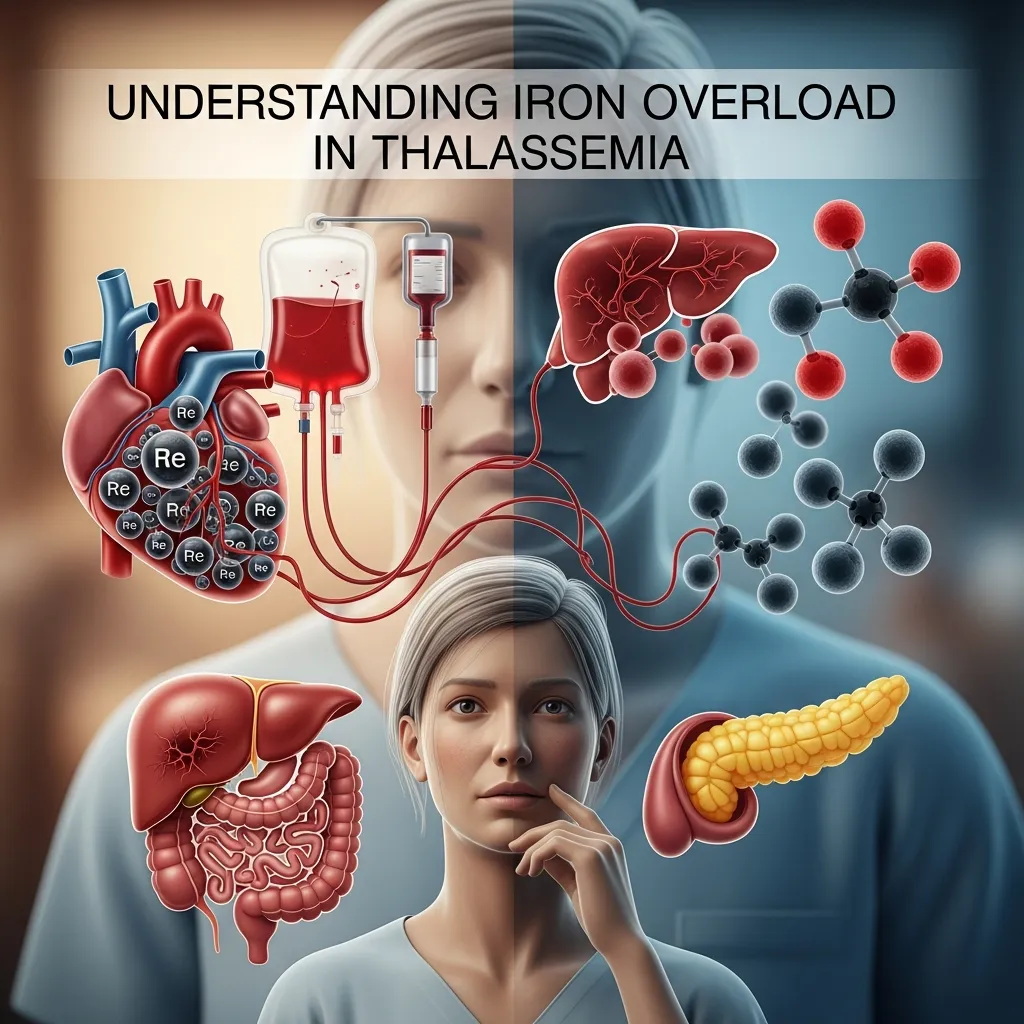 To understand why certain foods are harmful, we first need to look at how thalassemia affects iron levels. People with this condition are highly susceptible to iron overload, a dangerous accumulation of iron in the body’s organs. This happens for two main reasons. First, the body naturally tries to compensate for the lack of healthy red blood cells by absorbing more iron from the gastrointestinal tract. Second, many patients require regular medical treatments to manage their anemia. If you are following a strict thalassemia blood transfusion frequency, each unit of transfused blood brings a significant amount of iron directly into your bloodstream.
Because the human body lacks a natural mechanism to excrete excess iron, it ends up storing it in vital organs. Over time, this buildup can cause severe damage to the heart, liver, and endocrine system. This is why understanding foods to avoid in thalassemia becomes extremely important for preventing additional iron intake from the diet.
Iron overload does not develop overnight—it builds slowly over time, often without early symptoms. This makes regular monitoring and dietary control even more critical. Patients may not notice issues until organ function is already affected, which is why early prevention is always better than late treatment.
While doctors often prescribe iron chelation therapy to help remove excess iron medically, controlling your dietary intake serves as a crucial first line of defense. Knowing foods to avoid in thalassemia helps reduce unnecessary iron absorption from food sources and supports medical treatments more effectively.
In addition to diet control, lifestyle habits such as avoiding vitamin C supplements with iron-rich meals (since vitamin C increases iron absorption) and limiting processed foods fortified with iron can further help manage iron levels. By carefully following these guidelines, patients can reduce the burden on their organs and improve long-term health outcomes while managing thalassemia more safely.
Foods to Avoid in Thalassemia: High-Iron Foods
When managing this condition, the primary goal of your diet is to limit unnecessary iron intake. Iron in food comes in two forms: heme iron (found in animal products) and non-heme iron (found in plants). Heme iron is absorbed very efficiently by the body, making it the more dangerous of the two for thalassemia patients. This is why understanding foods to avoid in thalassemia is essential for preventing iron overload and protecting long-term organ health.
Here are the primary foods to avoid in thalassemia to keep your iron levels in check:
Red Meat and Organ Meats
Beef, lamb, and pork are incredibly rich in heme iron. Organ meats, such as liver and kidneys, contain the highest concentrations of iron and should be strictly eliminated from your diet. These foods significantly increase iron storage in the body, which can worsen iron overload complications.
If you consume meat, opt for lean poultry or fish in small, controlled portions, as these have comparatively lower iron levels. Even then, portion control is important when following foods to avoid in thalassemia guidelines.
Shellfish and Certain Seafood
Oysters, clams, and mussels are also packed with highly absorbable heme iron. While fish is generally considered a healthy protein source, you must be selective. Salmon and cod are relatively safer choices, but they should still be consumed with medical guidance.
In thalassemia diet planning, seafood selection plays an important role in reducing unnecessary iron intake while still maintaining protein nutrition.
Iron-Fortified Products
Many commercially processed foods have extra vitamins and minerals added to them. Breakfast cereals, enriched breads, and certain pastas are often fortified with iron to help the general population prevent deficiencies. For someone with thalassemia, these fortified products can be harmful and should be avoided whenever possible.
Reading nutrition labels is a key step in identifying foods to avoid in thalassemia, especially hidden sources of added iron in packaged foods.
Certain Legumes and Leafy Greens
While plant-based (non-heme) iron is not absorbed as easily as animal-based iron, it can still contribute to overall iron load when consumed frequently. Spinach, kale, lentils, and chickpeas contain notable amounts of iron.
You do not necessarily have to eliminate these completely, but moderation is important. Balancing these foods within a controlled thalassemia diet helps reduce cumulative iron intake over time.
Other Dietary Considerations: Vitamin C and Fortified Foods
Iron absorption is not just about the iron content of food itself; it is also influenced by what you eat alongside it. Vitamin C acts as a powerful enhancer of iron absorption. According to the National Institutes of Health, Vitamin C can significantly increase non-heme iron absorption when consumed together.
If you are following foods to avoid in thalassemia guidelines, it is advisable to avoid combining iron-containing meals with high Vitamin C sources like orange juice, citrus fruits, strawberries, and bell peppers at the same time. Instead, space them between meals for safer absorption control.
Alcohol should also be limited, as it can increase iron absorption and add stress to the liver, which is already vulnerable in iron overload conditions. On the other hand, beverages like tea and coffee can be helpful during meals because tannins and polyphenols naturally reduce iron absorption.
Overall, following foods to avoid in thalassemia carefully helps reduce iron overload risk, supports medical treatments like chelation therapy, and improves long-term organ protection and quality of life.
The Importance of a Balanced Diet and Hydration
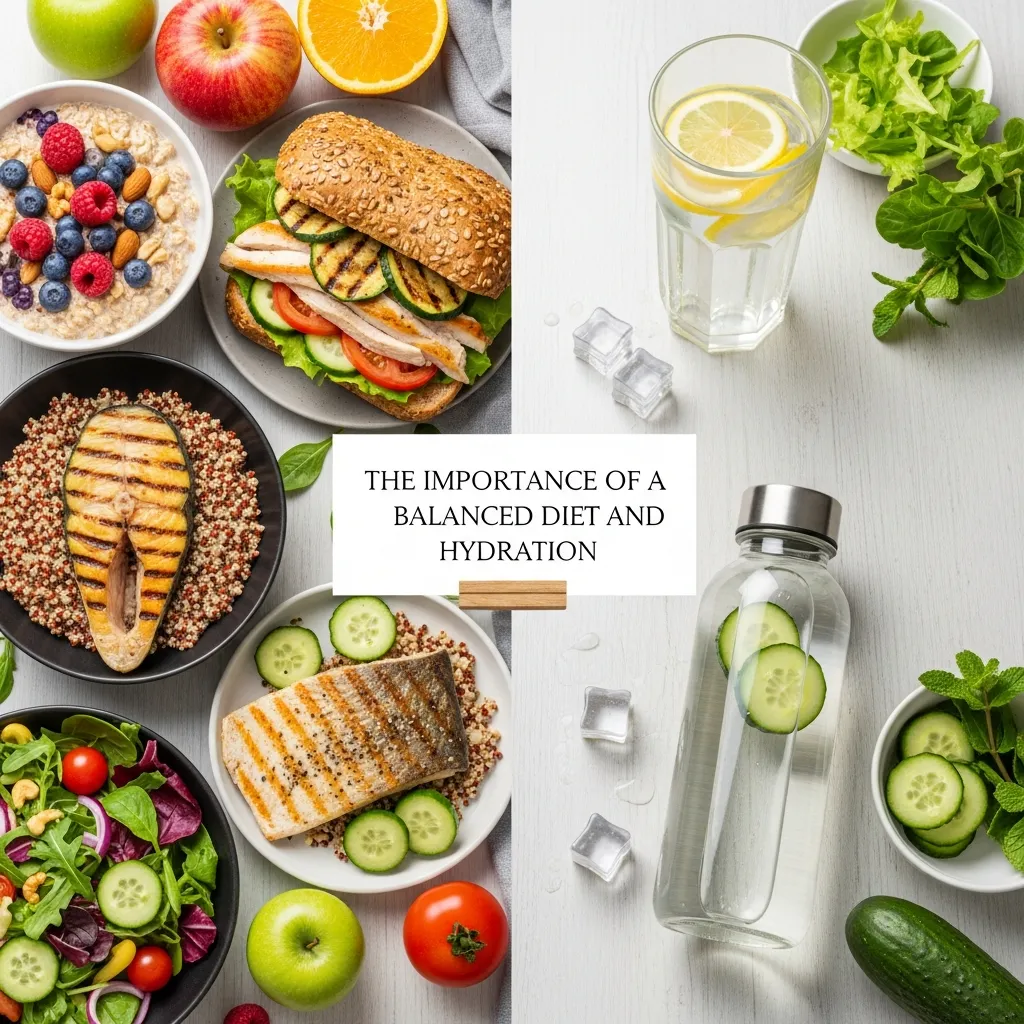 While limiting iron is a priority, restricting your diet too much can lead to other nutritional deficiencies. People with thalassemia often experience weakened bones due to the expansion of bone marrow and long-term blood production stress. This is why a balanced nutritional plan is essential alongside understanding foods to avoid in thalassemia.
A diet rich in calcium and Vitamin D plays a major role in maintaining bone strength and overall health. Dairy products like milk, cheese, and yogurt are excellent sources of calcium and naturally contain very little iron. In fact, calcium can also help reduce iron absorption when consumed during the same meal, making it a helpful component in a thalassemia-friendly diet plan.
Folic acid (folate) is another vital nutrient. It supports the production of healthy red blood cells and helps reduce the strain on the bone marrow. Many individuals with thalassemia may require folic acid supplementation as advised by their healthcare provider. Maintaining proper folate levels supports better energy balance and overall blood health.
Hydration is equally important in daily management. Drinking enough water supports kidney function, helps maintain proper blood circulation, and assists the body in eliminating waste products. Good hydration also helps reduce fatigue and supports overall metabolic balance in people managing thalassemia.
It is important to remember that managing diet is not just about restriction—it is about balance. Even while following foods to avoid in thalassemia, patients should ensure they are getting enough essential nutrients to support immunity, bone health, and energy levels.
If you notice persistent fatigue, dizziness, or other physical changes, reviewing the thalassemia symptoms guide can help you understand whether adjustments are needed in your nutrition or treatment plan. A well-balanced diet combined with proper medical care leads to better long-term health outcomes and improved quality of life.
Key Nutrient Guide for Thalassemia Diet
| Nutrient | Role in Thalassemia Health | Common Sources |
|---|---|---|
| Calcium | Strengthens bones and may reduce iron absorption | Milk, yogurt, cheese |
| Vitamin D | Supports bone health and calcium absorption | Sunlight, eggs, fortified foods |
| Folic Acid | Helps produce healthy red blood cells | Leafy greens, supplements (doctor advised) |
| Water | Supports circulation and kidney function | Drinking water, fluids |
Key Points for Daily Management
- Maintain a balanced diet even while following foods to avoid in thalassemia
- Avoid over-restriction of food groups to prevent nutrient deficiencies
- Take supplements only under medical supervision
- Combine calcium-rich foods with meals to help reduce iron absorption
- Stay consistently hydrated throughout the day
- Follow regular checkups to adjust diet and treatment as needed
Consulting Healthcare Professionals for Personalized Diet Plans
No two patients experience this blood disorder in exactly the same way. The severity of your anemia, your specific transfusion schedule, and your overall organ health all determine your unique nutritional requirements. Because of this, generic dietary advice should never replace professional medical guidance, especially when following foods to avoid in thalassemia for long-term health management.
Working closely with a registered dietitian who specializes in hematological disorders is highly recommended. They can help you create a personalized meal plan that carefully limits high-iron foods while ensuring you still receive enough calcium, Vitamin D, folic acid, and other essential nutrients. This balance is important because over-restriction can lead to nutritional deficiencies, even when trying to manage iron overload.
In addition, healthcare professionals can help you understand how different foods interact with iron absorption. This ensures that your version of foods to avoid in thalassemia is tailored specifically to your body’s needs, lifestyle, and medical condition rather than a one-size-fits-all list.
Regular blood tests are also essential in this process. Monitoring ferritin levels and other iron-related markers helps your hematologist evaluate how well your diet and treatment plan are working. Based on these results, they may adjust dietary recommendations or medical therapies such as iron chelation.
Reliable nutritional guidance and access to certified experts can be found through Academy of Nutrition and Dietetics, which provides trusted resources for managing diet-related health conditions.
You can learn more or find qualified dietitians here: Academy of Nutrition and Dietetics Website
Ultimately, combining professional medical support with careful attention to foods to avoid in thalassemia helps ensure safer, more effective long-term disease management and improved quality of life.
Empowering Thalassemia Management Through Diet
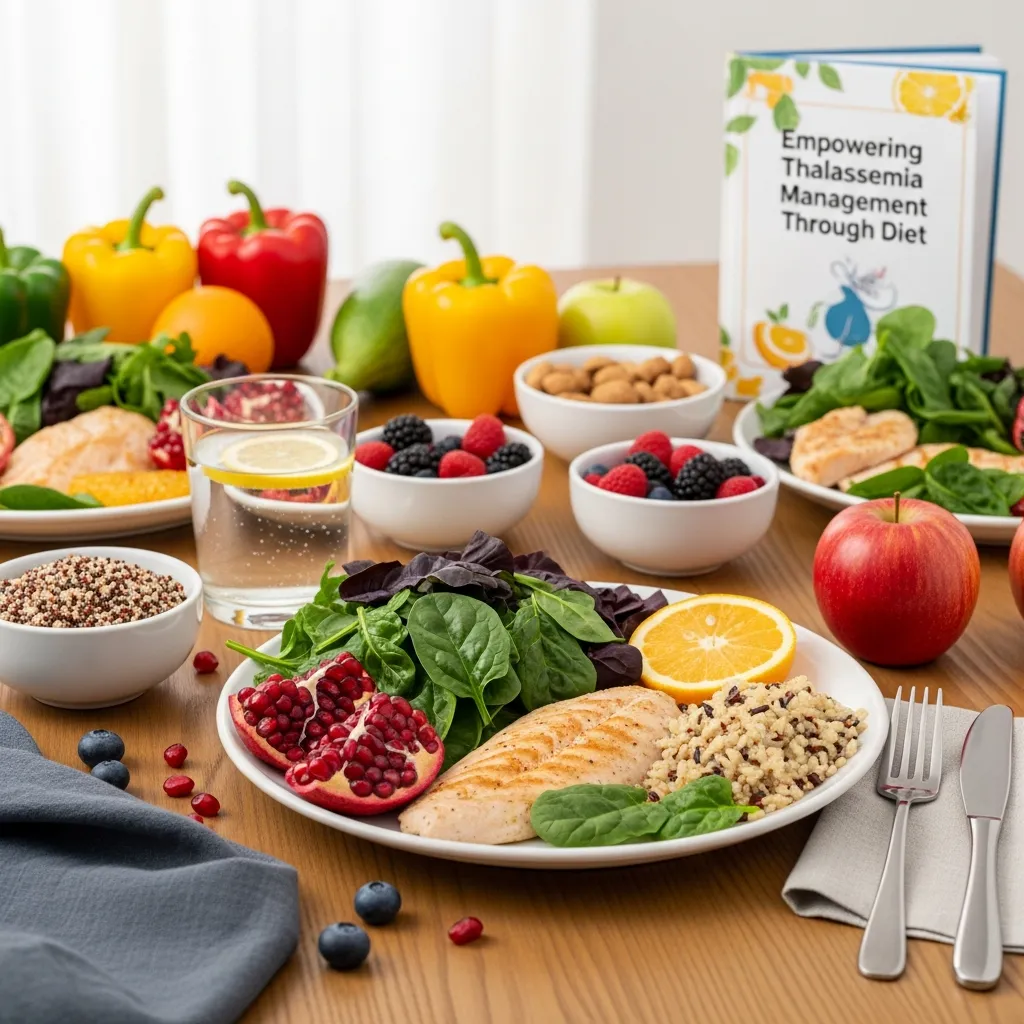 Taking control of your nutrition is a highly effective way to actively participate in your own healthcare. By understanding how your body processes iron, learning how to read nutrition labels, and separating meals from Vitamin C-rich snacks, you can significantly reduce your risk of iron overload. This is a key part of managing foods to avoid in thalassemia and maintaining long-term health stability.
Building awareness around daily eating habits allows patients to make smarter food choices without feeling overly restricted. Instead of focusing only on limitations, it is important to also focus on safe alternatives that support energy levels, bone health, and immunity.
Start by auditing your pantry today. Remove heavily fortified cereals, limit red meat, and stock up on calcium-rich dairy and unfortified grains. This simple step can make a major difference in controlling unnecessary iron intake and improving dietary balance.
It is also helpful to create a structured meal routine. Planning meals in advance reduces the risk of accidentally consuming foods to avoid in thalassemia and helps maintain consistency in your nutritional intake. Small habits like meal prepping or keeping a food journal can greatly improve long-term adherence.
Regular consultations with your healthcare team are equally important. A dietitian or hematologist can review your eating habits and adjust your plan based on blood test results, transfusion frequency, and overall health condition. This ensures your dietary approach remains safe and effective over time.
With careful planning, consistent monitoring, and informed choices about foods to avoid in thalassemia, you can protect vital organs such as the heart and liver, maintain better energy levels, and support a healthier and more active future.
Frequently Asked Questions (FAQ)
1. What are foods to avoid in thalassemia?
Foods to avoid in thalassemia include high-iron foods like red meat, organ meats, iron-fortified cereals, and certain seafood that can increase iron overload.
2. Why should thalassemia patients avoid iron-rich foods?
Because the body already tends to accumulate excess iron, which can damage organs like the heart, liver, and endocrine system.
3. Can I eat vegetables if I have thalassemia?
Yes, most vegetables are safe, but some high-iron greens like spinach should be eaten in moderation.
4. Are dairy products safe in thalassemia diet?
Yes, dairy products like milk, yogurt, and cheese are safe and help provide calcium without adding excess iron.
5. Should I completely avoid iron in food?
No, you should not eliminate iron completely, but you should avoid excessive intake and high-iron sources.
6. Can Vitamin C increase iron absorption?
Yes, Vitamin C can increase iron absorption, so it is recommended to avoid combining it with iron-rich meals.
7. Is tea or coffee helpful in thalassemia diet?
Yes, tea and coffee contain tannins that can reduce iron absorption when taken with meals.
8. Do all thalassemia patients follow the same diet?
No, diet plans vary based on condition severity, transfusion frequency, and doctor recommendations.
9. Can diet alone manage thalassemia?
No, diet helps support management but medical treatment like chelation therapy is also important.
10. Why is understanding foods to avoid in thalassemia important?
It helps prevent iron overload, supports treatment effectiveness, and improves long-term health outcomes.
Conclusion
Understanding foods to avoid in thalassemia is essential for managing iron levels and protecting long-term health. A carefully planned diet helps reduce iron overload, supports medical treatments, and improves energy and organ function. While diet alone cannot cure thalassemia, making informed food choices plays a key role in safer and more effective disease management. With proper guidance from healthcare professionals, patients can maintain a balanced lifestyle and better quality of life.
