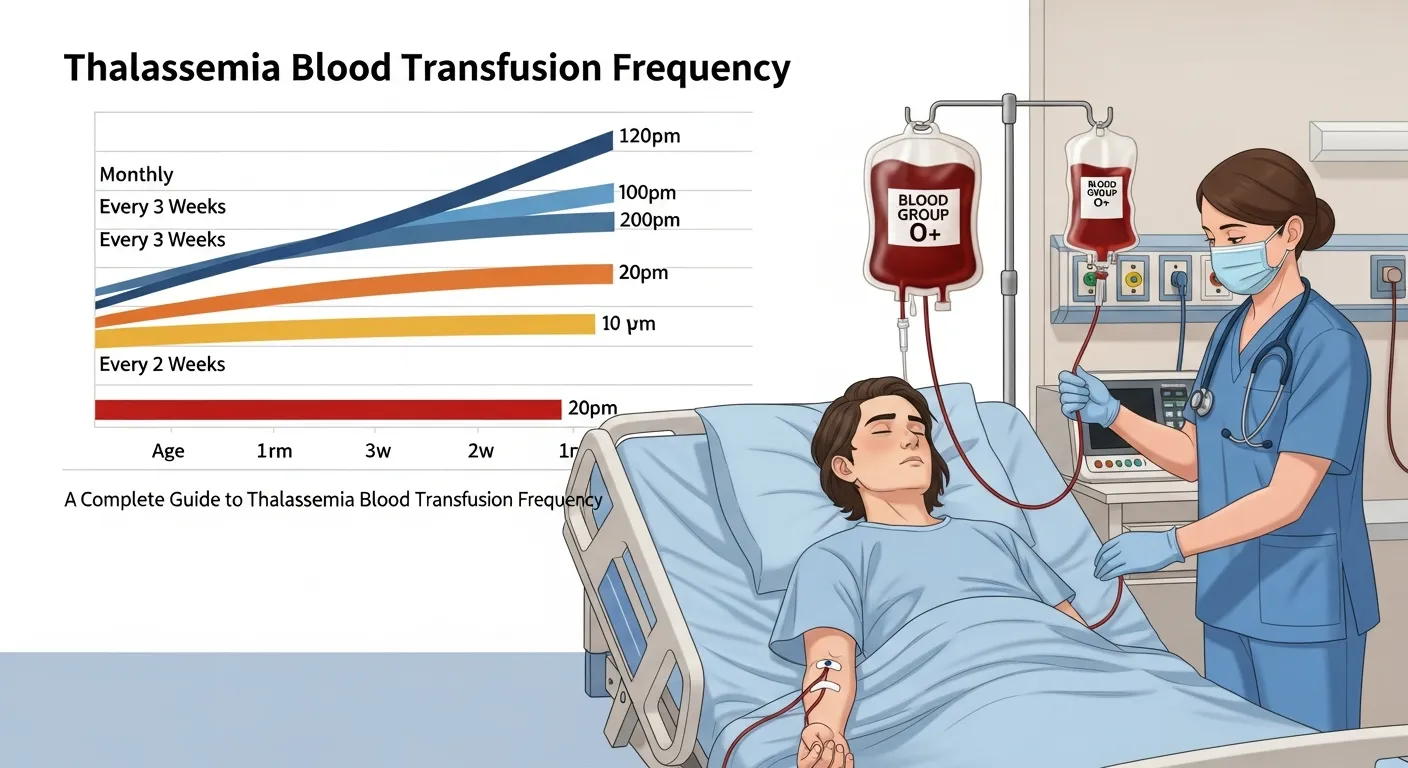
Thalassemia Blood Transfusion Frequency refers to how often patients with thalassemia need blood transfusions to maintain healthy hemoglobin levels. Regular transfusions are essential for managing severe anemia, especially in thalassemia major cases. The frequency depends on the patient’s condition, severity of the disease, and medical advice. While transfusions help improve energy levels and overall health, repeated treatments may lead to iron overload, which requires additional management such as iron chelation therapy.
Understanding Thalassemia Blood Transfusion Frequency
Determining the ideal thalassemia blood transfusion frequency is a highly individualized process. Doctors do not follow a fixed schedule for every patient. Instead, they evaluate several clinical factors to ensure the body receives the right amount of healthy red blood cells for proper function.
The type and severity of thalassemia play a major role. Patients with severe forms, such as beta-thalassemia major, often experience more intense anemia and require regular blood transfusion treatment for thalassemia. In contrast, milder forms may need less frequent transfusions.
Individual response is also important. Some patients maintain stable hemoglobin levels in thalassemia for longer periods, while others require more frequent care. Doctors monitor these levels to decide the right thalassemia transfusion schedule.
Other health conditions can also affect transfusion needs, such as an enlarged spleen, infections, or rapid growth in children. These factors may increase the blood transfusion frequency in thalassemia patients temporarily.
In general, patients with transfusion-dependent thalassemia (TDT) usually require transfusions every two to four weeks to maintain stable hemoglobin levels and support normal growth. On the other hand, non-transfusion-dependent thalassemia (NTDT) patients may only need occasional transfusions during stress conditions like surgery, pregnancy, or severe illness.
The Transfusion Process: What to Expect
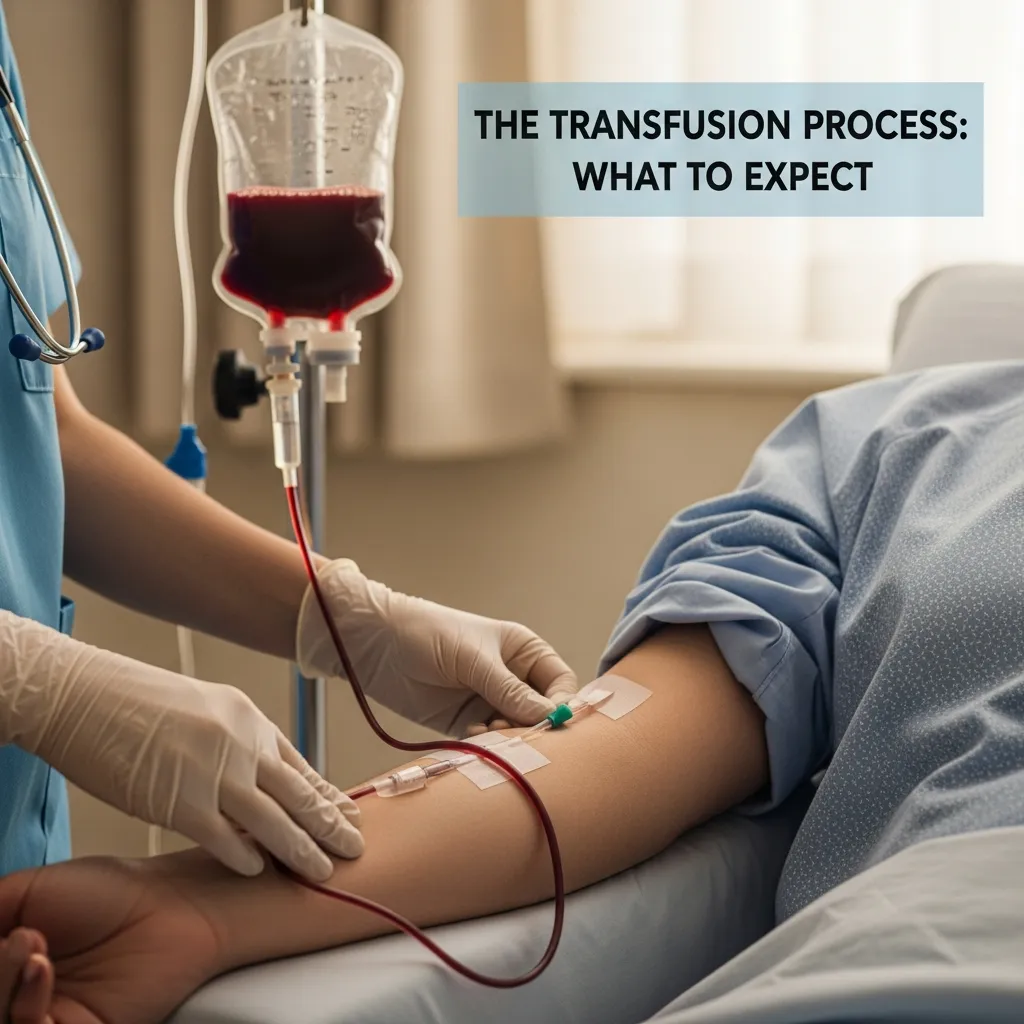 Understanding the blood transfusion process in thalassemia can help reduce anxiety, especially for newly diagnosed patients who may be unfamiliar with hospital procedures. Knowing what happens before, during, and after a transfusion makes the experience easier and more manageable.
Before a transfusion, doctors conduct important pre-transfusion assessments to ensure safety. A complete blood count (CBC) is done to check current hemoglobin levels, which helps determine the need for transfusion based on thalassemia blood transfusion frequency. In addition, a type and crossmatch test is performed to confirm that the donor blood is fully compatible with the patient’s blood type and antibodies, reducing the risk of reactions.
During the transfusion procedure, the patient is usually treated in an outpatient clinic or hospital setting. A nurse inserts an intravenous (IV) line into a vein, and the donor blood is slowly infused into the bloodstream. This process typically takes two to four hours depending on the patient’s condition and thalassemia transfusion schedule. Throughout the procedure, healthcare professionals closely monitor vital signs such as blood pressure, heart rate, and temperature to ensure the body is responding well to the blood transfusion treatment for thalassemia.
After the transfusion, the IV line is removed and the patient is observed for a short period to ensure stability. Many patients experience improved energy levels due to better hemoglobin levels in thalassemia patients. Most individuals can return to their normal daily activities soon after leaving the clinic, depending on their overall health condition and response to treatment.
Managing Complications Associated with Frequent Transfusions
While blood transfusions are essential and life-saving for thalassemia patients, regular exposure to donor blood can lead to certain long-term complications. Proper monitoring and proactive care are very important for maintaining overall health in patients who depend on ongoing thalassemia blood transfusion frequency.
Iron Overload: A Major Concern
One of the most serious complications of repeated transfusions is iron overload. Red blood cells contain a high amount of iron, and since the human body cannot naturally remove excess iron, it gradually builds up over time. This condition is especially common in patients who follow a regular blood transfusion schedule for thalassemia.
Excess iron can become toxic and damage vital organs such as the heart, liver, and endocrine system. If not properly managed, iron overload can lead to complications like liver disease, heart failure, diabetes, and hormonal imbalance.
To control this risk, doctors often recommend iron chelation therapy alongside blood transfusion treatment for thalassemia. This treatment helps remove excess iron from the body and reduces long-term organ damage.
Regular monitoring of iron levels is also essential. Tests like serum ferritin help doctors adjust treatment plans based on the patient’s thalassemia transfusion frequency and iron buildup levels.
With proper management, patients can safely continue life-saving transfusions while minimizing complications and maintaining better long-term health outcomes.
Chelation Therapy: Overview and Importance
To manage iron overload caused by frequent transfusions, patients require chelation therapy. This is a key part of long-term thalassemia blood transfusion frequency management. Chelation therapy uses special medications called iron chelators that bind to excess iron in the bloodstream and help remove it from the body through urine or stool.
Proper use of iron chelation therapy in thalassemia is essential because it prevents iron from accumulating in vital organs such as the heart, liver, and endocrine system. Without this treatment, repeated blood transfusion treatment for thalassemia can lead to serious complications over time.
You can also find trusted clinical guidance on iron overload management and chelation therapy from the National Institutes of Health (NIH):
Monitoring Iron Levels
Doctors closely monitor iron levels in patients undergoing regular thalassemia transfusion schedule plans. The most common blood test used is serum ferritin, which helps estimate how much iron is stored in the body.
In some cases, MRI scans are used to directly measure iron concentration in the liver and heart. These tests help doctors adjust the blood transfusion frequency in thalassemia patients and ensure safe long-term treatment.
Alloimmunization
Another possible complication is alloimmunization, where the immune system identifies transfused blood as foreign and produces antibodies against it. This can make it more difficult to find compatible blood for future transfusions.
To reduce this risk, doctors perform detailed blood matching before each transfusion. Careful screening helps ensure safer transfusion dependency management in thalassemia patients and improves long-term treatment outcomes.
Transfusion Reactions
Though rare due to modern screening techniques, allergic or febrile (fever) reactions can occur during or immediately following a transfusion. Nurses are trained to spot the early signs of a reaction, such as chills, hives, or shortness of breath, and can immediately stop the transfusion and administer corrective medications. Read our guide on recognizing transfusion reactions for more details.
Infections
Blood banks rigorously test all donated blood for infectious diseases like HIV, Hepatitis B, and Hepatitis C. According to the Centers for Disease Control and Prevention (CDC), the risk of contracting a viral infection from a blood transfusion today is exceptionally low.
The Role of Regular Monitoring and Personalized Care
 Thalassemia requires vigilant, lifelong monitoring to ensure treatments remain effective and complications are caught early.
Hemoglobin Levels and Ferritin Monitoring
Routine blood work is non-negotiable. Doctors rely on steady hemoglobin readings to adjust your thalassemia blood transfusion frequency. Likewise, tracking ferritin levels helps them fine-tune your chelation therapy dosages, ensuring you avoid both iron toxicity and iron deficiency.
Liver, Heart, and Endocrine System Assessments
Because excess iron targets specific organs, annual check-ups must include comprehensive organ assessments. Cardiologists will perform echocardiograms to check heart function. Endocrinologists will monitor blood sugar levels, thyroid function, and bone density, as iron buildup can trigger diabetes, hypothyroidism, and osteoporosis.
The Importance of a Multidisciplinary Care Team
Successful management relies on a coordinated effort. A standard care team includes hematologists, cardiologists, endocrinologists, liver specialists, and specialized nurses. If you are looking for coordinated care, you can meet our multidisciplinary hematology team to see how we structure patient support.
Emerging Therapies and Future Directions
The landscape of thalassemia treatment is evolving rapidly. Researchers are developing innovative therapies that aim to reduce the reliance on frequent blood transfusions.
Gene Therapy
Gene therapy represents a potential cure for thalassemia. This revolutionary approach involves extracting a patient’s own blood stem cells, inserting a functional copy of the defective hemoglobin gene in a laboratory, and then infusing the corrected cells back into the patient. Early clinical trials have shown immense promise, allowing some TDT patients to become entirely transfusion-independent.
Bone Marrow Transplantation
Currently, a bone marrow transplant (also known as a stem cell transplant) from a matched sibling donor is the only established cure for thalassemia. The procedure replaces the defective stem cells with healthy ones. However, finding a perfect match is difficult, and the procedure carries significant risks, limiting its widespread application.
New Iron Chelators
Pharmaceutical companies continue to refine iron chelation medications. Newer oral medications have drastically improved patient compliance compared to older, cumbersome continuous infusion pumps. Researchers are constantly testing novel compounds that promise fewer side effects and more efficient iron removal.
Living with Thalassemia: A Patient’s Perspective
Living with thalassemia goes far beyond hospital visits, test results, and treatment plans. It is a lifelong condition that affects emotional wellbeing, daily routine, education, and social life. Understanding this journey is an important part of managing thalassemia blood transfusion frequency and long-term care.
Quality of Life Considerations
Patients often need to plan their lives around a regular blood transfusion schedule for thalassemia, which may occur every few weeks depending on the severity of the condition. This can make it challenging to balance school, work, and family responsibilities.
Many individuals also experience chronic fatigue due to low hemoglobin levels in thalassemia, along with side effects from medications used in iron management. Over time, this can affect energy levels, productivity, and daily activities.
Despite these challenges, proper treatment and a well-managed transfusion plan can significantly improve quality of life in thalassemia patients, helping them maintain a more stable and active lifestyle.
Psychological Impact
Living with a lifelong condition like thalassemia can also have a strong emotional impact. Patients may experience anxiety, stress, or depression due to ongoing treatment needs and health limitations.
Pediatric patients are often more affected, as frequent hospital visits and physical symptoms can make them feel different from their peers. These emotional challenges are closely linked to the overall burden of blood transfusion treatment for thalassemia and disease management.
Support Systems and Resources
A strong support system plays a crucial role in coping with the condition. Family support, counseling services, and patient support groups can greatly improve emotional wellbeing.
Connecting with thalassemia awareness communities and advocacy groups helps patients feel less isolated and more empowered. Sharing experiences with others facing similar challenges can provide comfort and practical advice for managing thalassemia transfusion frequency and daily life.
With the right medical care, emotional support, and awareness, patients can lead meaningful lives while effectively managing both the physical and psychological aspects of thalassemia.
Optimizing Care for Thalassemia Patients
 Managing thalassemia requires a careful, highly personalized approach to medical care. The foundation of this management revolves around optimizing thalassemia blood transfusion frequency to maintain stable hemoglobin levels and support overall health. Working closely with a dedicated, multidisciplinary medical team ensures that your blood transfusion schedule for thalassemia is properly adjusted based on individual needs, helping to reduce complications like iron overload and improve long-term outcomes.
Proper monitoring of hemoglobin levels in thalassemia patients is essential to balance treatment effectiveness and safety. With the right care plan, patients can experience better energy levels, fewer complications, and improved quality of life.
As medical research advances, the future for thalassemia patients looks brighter than ever. Innovations such as gene therapy, improved iron chelation therapy in thalassemia, and advanced treatment options are offering hope for reduced dependence on frequent transfusions.
If you have questions about your current treatment plan, or need help managing your transfusion dependency in thalassemia, it is important to consult with a specialist. We invite you to schedule a consultation with our hematology experts to review your care plan and explore the best strategies for managing blood transfusion treatment for thalassemia effectively and safely.
FAQs
1. How often do thalassemia patients need blood transfusions?
The frequency depends on the severity of the condition. Many patients with transfusion-dependent thalassemia need transfusions every 2–4 weeks.
2. What determines thalassemia blood transfusion frequency?
It depends on hemoglobin levels, type of thalassemia, overall health condition, and how the patient responds to previous transfusions.
3. Do all thalassemia patients need regular transfusions?
No. Only transfusion-dependent patients require regular transfusions. Others may need occasional transfusions during illness, surgery, or pregnancy.
4. Why is regular blood transfusion important in thalassemia?
It helps maintain healthy hemoglobin levels, improves oxygen delivery, and supports normal growth and energy levels.
5. Can transfusion frequency change over time?
Yes. Doctors adjust the schedule based on age, growth, complications, and changes in hemoglobin levels.
6. What is transfusion-dependent thalassemia (TDT)?
TDT is a severe form where patients require lifelong, regular blood transfusions to survive and maintain health.
7. What happens if transfusions are delayed?
Delayed transfusions can cause severe anemia, fatigue, poor growth in children, and other health complications.
8. Is there any risk in frequent blood transfusions?
Yes. The main risk is iron overload, which can damage organs like the heart and liver if not managed properly.
9. How is iron overload managed in thalassemia patients?
Doctors use iron chelation therapy to remove excess iron from the body caused by repeated transfusions.
10. Can thalassemia be cured permanently?
In some cases, bone marrow transplant or gene therapy may offer a cure, but most patients require lifelong management.
Conclusion
Thalassemia blood transfusion frequency is a critical part of managing the disease and maintaining a good quality of life. The exact schedule varies from patient to patient, depending on the type and severity of thalassemia, hemoglobin levels, and overall health condition. Regular transfusions help control anemia, support growth, and improve daily functioning.
However, long-term transfusion therapy also requires careful monitoring to prevent complications such as iron overload, which must be managed with iron chelation therapy. With proper medical care, regular monitoring, and a personalized treatment plan, patients with thalassemia can lead healthier and more stable lives.
Advancements in treatment continue to improve outcomes, offering hope for better management and potential future cures for thalassemia patients worldwide.