Thalassemia partnerships empower affiliates by strengthening collaboration between healthcare providers, organizations, and communities. These partnerships improve awareness, enhance patient support systems, and expand access to care, ultimately creating more effective and sustainable thalassemia programs for better community health outcomes.
Understanding the Role of thalassemia partnerships
At its core, thalassemia partnerships means strengthening collaboration between healthcare systems, community organizations, and local affiliates to improve awareness, education, and patient care. Empowering Thalassemia Affiliates involves recognizing the multifaceted responsibilities that affiliates assume within their communities. Each affiliate functions as a local champion, deeply familiar with cultural nuances and healthcare access challenges that affect individuals living with thalassemia. By carrying out targeted patient education sessions, coordinating testing events, and maintaining open lines of communication with hospitals and clinics, affiliates ensure that vital resources reach those who need them most.
Effective affiliates often begin by conducting a thorough community needs assessment. This involves surveying patients, caregivers, and care providers to identify knowledge gaps, logistical constraints, and support requirements. Affiliates can then tailor educational materials—translated into local languages or adapted for various literacy levels—to maximize comprehension. Additionally, affiliates who receive ongoing training in the latest treatment guidelines are better equipped to relay accurate information about therapies such as iron chelation and emerging gene-based interventions.
Building internal capacity also requires a structured onboarding process for new affiliate members. This process should include modules on organizational mission and vision, best practices for community engagement, and protocols for reporting outcomes. Standardized documentation templates and communication toolkits help maintain message consistency across diverse regions. When affiliates work from a unified foundation, they boost credibility and streamline collaborative efforts with regional health authorities.
Key Functions of Thalassemia Partnerships
- Strengthen collaboration between hospitals, NGOs, and community health workers for improved service delivery
- Support early detection initiatives through organized screening camps and awareness programs in high-risk communities
- Enhance patient education by providing culturally adapted materials and multilingual resources
- Improve treatment adherence by connecting patients with specialists and long-term care support systems
- Build capacity among affiliate members through structured training and continuous learning programs
Operational Framework of Thalassemia Partnerships
| Area |
Activity |
Outcome |
| Community Assessment |
Surveys and local data collection |
Identification of awareness gaps |
| Education Programs |
Workshops and outreach sessions |
Improved public understanding |
| Healthcare Coordination |
Hospital and clinic collaboration |
Faster diagnosis and treatment access |
| Training & Onboarding |
Skill development for affiliates |
Better service delivery consistency |
| Monitoring & Reporting |
Standardized documentation |
Improved accountability and impact tracking |
Strengthening Community Engagement
- Conduct regular awareness campaigns tailored to local cultural and linguistic contexts
- Organize school-based education programs to promote early understanding of genetic disorders
- Engage religious and community leaders to increase trust and participation in outreach initiatives
- Use digital platforms to expand reach through social media, webinars, and online support groups
- Encourage family involvement to strengthen long-term patient care and emotional support
Strategic Impact of Thalassemia Partnerships
Thalassemia partnerships create a unified support ecosystem that transforms isolated healthcare efforts into coordinated community action. By integrating education, screening, treatment support, and capacity building, these partnerships significantly improve early diagnosis rates and long-term patient outcomes. Strong collaboration ensures that affiliates remain effective, sustainable, and responsive to evolving healthcare needs.
Building Strong Community Partnerships
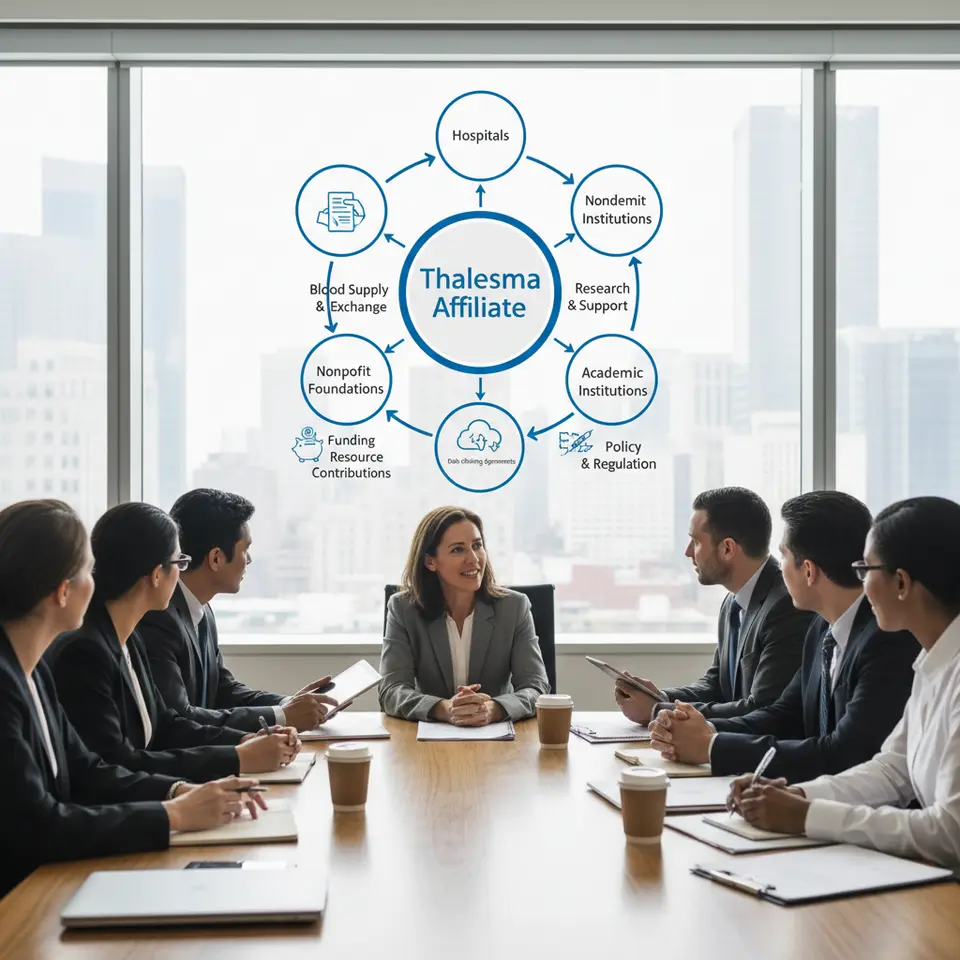 Successful affiliate initiatives thrive on collaborative frameworks that engage multiple stakeholders. The first step in Empowering Thalassemia Affiliates involves mapping potential partners within the local ecosystem—this might include hospitals, regional blood banks, nonprofit foundations, academic institutions, and government health agencies. Inviting these organizations into a shared planning process fosters ownership and helps align objectives, whether it’s boosting donor recruitment or launching awareness campaigns in schools.
To formalize partnerships, consider establishing memoranda of understanding (MOUs) that outline each party’s roles, responsibilities, and data-sharing agreements. MOUs can also stipulate resource contributions, such as venue access, logistical support, or financial sponsorship. Defining clear performance indicators within these agreements ensures that all collaborators remain accountable and transparent, enabling quarterly reviews and adjustments as needed.
Engagement protocols can take various forms. For example, partnering hospitals may offer free carrier screening on designated dates, while universities could facilitate research projects that underscore local prevalence rates and treatment utilization. Schools and youth groups present opportunities to integrate thalassemia education into health curricula, engaging students through interactive workshops and poster contests. By diversifying partnership models, affiliates expand their community footprint and access new channels for outreach.
Structured Partnership Models
| Partner Type |
Role in Collaboration |
Expected Outcome |
| Hospitals & Clinics |
Provide screening, diagnosis, and specialist consultation support |
Early detection and improved patient management |
| Blood Banks |
Ensure safe and timely blood supply for transfusion-dependent patients |
Reduced treatment delays and improved survival rates |
| Academic Institutions |
Conduct research and support awareness education programs |
Data-driven insights and innovation in care strategies |
| Government Health Agencies |
Policy support and funding facilitation |
Strengthened public health infrastructure |
| NGOs & Foundations |
Outreach funding and community mobilization |
Expanded awareness and resource distribution |
Key Strategic Approaches in Thalassemia Partnerships
- Develop long-term collaboration agreements that focus on sustainability rather than short-term campaigns
- Integrate community feedback mechanisms to continuously improve partnership effectiveness and outreach quality
- Use joint branding in awareness campaigns to increase credibility and visibility across different platforms
- Coordinate multi-sector events such as health fairs, donor drives, and school awareness programs for maximum impact
- Leverage data sharing between partners to improve planning, monitoring, and evaluation of thalassemia initiatives
Expanding Community Impact Through Collaboration
- Strengthen trust by involving respected local leaders and healthcare professionals in outreach activities
- Increase early diagnosis rates through coordinated screening programs across multiple partner institutions
- Improve education reach by combining digital campaigns with on-ground community workshops and seminars
- Encourage student and youth participation to build long-term awareness and advocacy networks
- Create scalable models that can be replicated in other regions to expand thalassemia support coverage
Strategic Value of Integrated Partnerships
Integrated partnerships significantly enhance the effectiveness of thalassemia affiliate programs by unifying resources, expertise, and outreach capabilities. When hospitals, educational institutions, NGOs, and government bodies work together, they create a stronger and more responsive healthcare ecosystem. This collaborative model ensures that Empowering Thalassemia Affiliates translates into measurable improvements in awareness, access to care, and long-term patient outcomes.
Effective Strategies for Outreach and Engagement
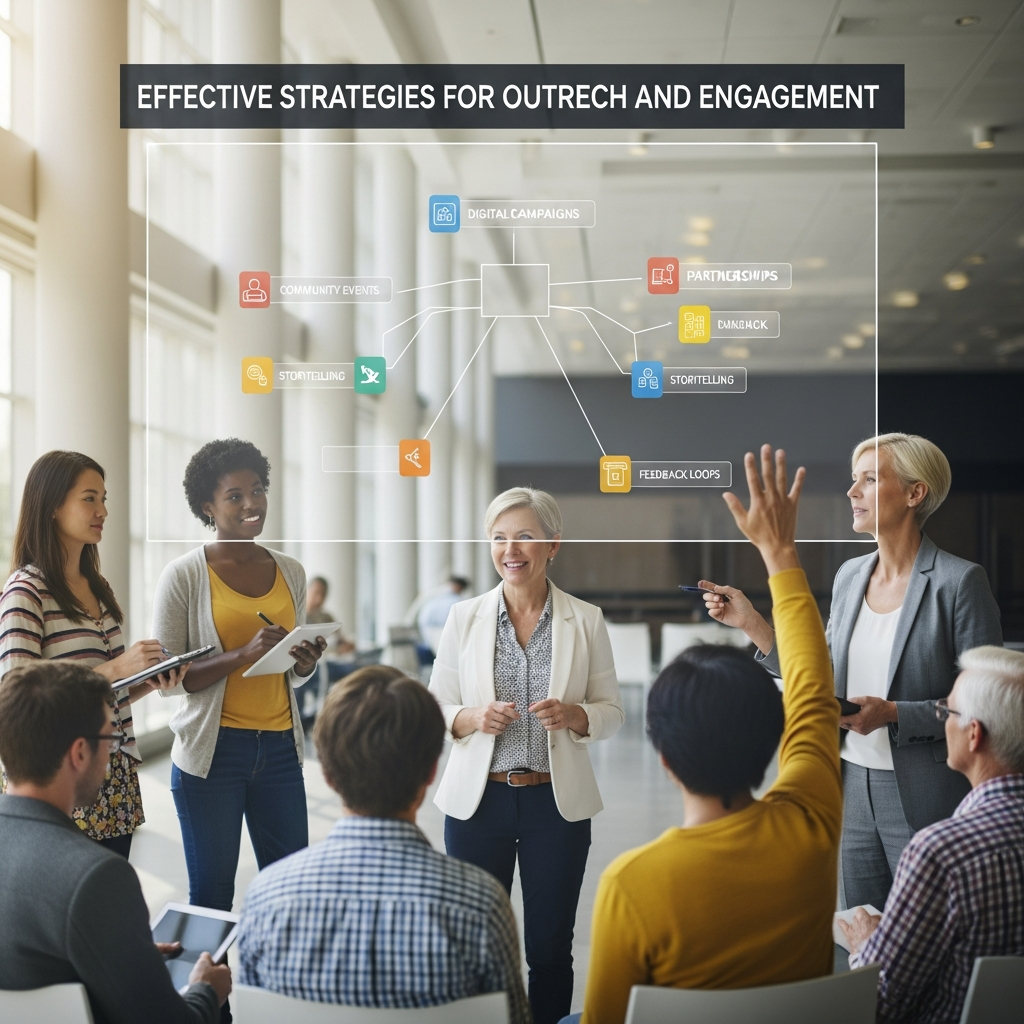 Empowering Thalassemia Affiliates depends heavily on the ability to engage diverse communities through structured, impactful, and inclusive outreach initiatives. Community events such as health fairs, public awareness forums, and mobile screening camps provide direct interaction between healthcare providers and the public, helping build trust while delivering essential services on the ground. Live patient testimonials further strengthen engagement by humanizing thalassemia, encouraging early screening, and motivating individuals to participate in donor programs and volunteer networks.
Beyond physical events, school-based education programs create long-term awareness impact by reaching younger populations at an early stage. Through collaboration with teachers and school administrators, affiliates can introduce interactive learning sessions on genetic inheritance, disease prevention, and the importance of early diagnosis. Creative tools such as classroom quizzes, storytelling sessions, drama performances, and visual presentations make learning more engaging and memorable for students, helping build a more informed future generation.
Corporate partnerships also play a major role in expanding outreach capacity and resource mobilization. By working with businesses on workplace blood drives, health awareness campaigns, and employee volunteer initiatives, affiliates can access broader networks and CSR funding opportunities. Co-branded campaigns, internal newsletters, and public recognition at corporate events further strengthen visibility and engagement. In addition, structured volunteer systems ensure operational efficiency by training community members to assist with transportation support, helpline management, event coordination, and digital community moderation.
Core Outreach and Engagement Strategies
- Organize large-scale community health fairs and mobile screening camps to improve early detection and provide direct access to healthcare services in underserved areas
- Use patient storytelling and real-life experiences during events to build emotional connection, increase awareness, and encourage community participation
- Implement structured school education programs that integrate thalassemia awareness into science and health curricula for long-term impact
- Develop corporate social responsibility (CSR) partnerships to support fundraising, workplace blood donation drives, and employee volunteer engagement
- Build trained volunteer networks to assist with logistics, patient support, and digital outreach management for sustained program effectiveness
Multi-Channel Engagement Framework
| Channel |
Activity Type |
Expected Impact |
| Community Events |
Health fairs, screening camps, public forums |
Direct awareness and early diagnosis |
| Educational Institutions |
School seminars, workshops, creative learning sessions |
Long-term awareness and youth engagement |
| Corporate Sector |
CSR programs, blood drives, workplace campaigns |
Resource mobilization and funding support |
| Volunteer Networks |
Helplines, transport support, digital moderation |
Improved service delivery and patient assistance |
| Digital Platforms |
Social media campaigns, online storytelling |
Wider reach and continuous engagement |
Strengthening Outreach Impact
- Combine offline and online engagement strategies to ensure wider reach and consistent messaging across all audiences
- Encourage active participation from patients and families to create authentic storytelling and stronger emotional connection
- Develop culturally sensitive communication materials that reflect local languages, beliefs, and healthcare realities
- Establish feedback loops to continuously improve outreach effectiveness based on community responses and engagement metrics
- Leverage seasonal health observances and global awareness days to maximize visibility and participation
Strategic Value of Integrated Engagement
Integrated outreach strategies significantly enhance the effectiveness of Empowering Thalassemia Affiliates by combining education, advocacy, and service delivery into a unified approach. By engaging schools, communities, corporations, and volunteers in coordinated efforts, affiliates can expand awareness, improve early diagnosis rates, and strengthen long-term support systems. This multi-channel engagement model ensures sustainable impact and builds stronger, more informed communities.
Leveraging Digital Tools and Social Media
 In today’s interconnected world, a robust online presence is indispensable for Empowering Thalassemia Affiliates. A dedicated website section can serve as a central repository for educational infographics, downloadable fact sheets, and an events calendar. Embedding multimedia resources—such as short educational videos or animated explainers—enhances information retention and broadens your reach.
Social media platforms offer dynamic channels for real-time engagement. Affiliates can host live Q&A sessions on Facebook and Instagram, allowing patients and caregivers to submit questions to medical professionals. Twitter threads featuring weekly tips or myth-busting posts help dispel common misconceptions about thalassemia. Private WhatsApp or Telegram groups provide secure environments for peer support, while ensuring that critical announcements reach subscribed members instantly.
To refine digital strategies, utilize analytics dashboards from Google Analytics and Facebook Insights. Monitoring metrics such as click-through rates, time-on-page, and social shares reveals audience preferences and informs content optimization. Regular content audits help identify underperforming posts and adjust messaging accordingly.
Core Digital Engagement Strategies
- Develop a centralized website hub that includes educational resources, treatment guides, downloadable materials, and updated event listings to ensure easy access to reliable thalassemia information
- Use social media platforms strategically to run live discussions, awareness campaigns, and myth-busting content that improves public understanding and encourages active community participation
- Create closed online support groups through messaging apps to provide safe spaces for patients and families to share experiences and receive timely updates
- Apply analytics tools such as Google Analytics and platform insights to track engagement patterns, optimize content performance, and improve outreach effectiveness
- Continuously update digital content to reflect current medical guidelines, community needs, and emerging research in thalassemia care
Measuring Impact and Continuous Improvement
A data-driven mindset is at the heart of Empowering Thalassemia Affiliates. Establishing SMART goals—specific, measurable, achievable, relevant, and time-bound—lays the foundation for structured evaluation. Key performance indicators may include screening participation rates, donor registrations, outreach event attendance, website engagement metrics, and referral rates to specialized care services.
Regular performance reviews are essential for maintaining program effectiveness. Quarterly meetings with affiliate teams allow stakeholders to assess progress, share challenges, and refine strategies based on real-world outcomes. Post-event surveys and feedback forms provide valuable qualitative insights that complement quantitative data, helping organizations understand participant experiences and expectations more deeply.
Continuous Improvement Framework
- Define clear SMART objectives to ensure that all affiliate activities are aligned with measurable outcomes and long-term organizational goals
- Conduct regular performance evaluations to identify successful initiatives and areas requiring strategic improvement or resource reallocation
- Collect structured feedback from patients, caregivers, and volunteers to enhance program relevance and community satisfaction
- Use centralized data dashboards to integrate information from multiple affiliates for better decision-making and transparency
- Adjust outreach strategies dynamically based on analytics insights and evolving community healthcare needs
Strategic Value of Digital Transformation and Evaluation
Digital transformation combined with continuous evaluation significantly strengthens Empowering Thalassemia Affiliates by improving communication, expanding outreach, and enhancing accountability. By integrating online engagement tools with structured performance monitoring systems, affiliates can deliver more responsive, efficient, and community-focused thalassemia programs. This approach ensures long-term sustainability and measurable impact across all levels of service delivery.
Frequently Asked Questions
1. What does Empowering Thalassemia Affiliates mean?
It refers to strengthening organizations that support thalassemia patients through awareness, care programs, and community engagement.
The goal is to improve healthcare access and education.
It builds stronger support systems for affected families.
2. Why is an online presence important for thalassemia affiliates?
An online presence helps reach a wider audience quickly and efficiently.
It supports education, awareness, and patient communication.
It also improves engagement with donors and volunteers.
3. How do websites help thalassemia affiliates?
Websites act as central hubs for information, resources, and updates.
They share educational content and event details.
They also support fundraising and awareness campaigns.
4. What role do social media platforms play?
Social media helps spread awareness and engage communities in real time.
It allows live sessions, educational posts, and storytelling.
It also encourages sharing and community participation.
5. What is the benefit of online support groups?
Online groups provide safe spaces for patients and families.
They allow sharing experiences and emotional support.
They also help distribute important updates quickly.
6. How do analytics improve thalassemia affiliate programs?
Analytics track engagement, reach, and audience behavior.
This helps improve content and outreach strategies.
It ensures better decision-making and program effectiveness.
7. What are SMART goals in affiliate programs?
SMART goals are specific, measurable, achievable, relevant, and time-bound objectives.
They help track progress and improve planning.
They ensure structured and focused program development.
8. Why is continuous improvement important?
It helps affiliates adapt to changing community needs and challenges.
Regular feedback improves program quality.
It ensures long-term success and sustainability.
9. How is impact measured in thalassemia affiliates?
Impact is measured through screenings, donations, and participation rates.
It also includes digital engagement and outreach success.
Surveys and feedback provide additional insights.
10. Can digital tools improve patient care?
Yes, digital tools improve communication and access to information.
They support education, awareness, and remote engagement.
They make thalassemia programs more efficient and accessible.
Conclusion
Empowering Thalassemia Affiliates entails more than simply deploying resources; it requires a concerted effort to build sustainable partnerships, leverage digital innovation, and embrace data-driven learning. By nurturing local champions, formalizing collaborative agreements, and engaging communities through targeted outreach, affiliate networks can significantly elevate thalassemia awareness and patient support. Continuous measurement and iterative refinement guarantee that affiliate programs not only meet current challenges but also adapt to emerging opportunities.
As organizations seek to expand their impact, adopting these best practices will strengthen the foundation for long-term success. Begin today by assessing your affiliate ecosystem, forging strategic alliances, and investing in digital infrastructure. With a clear vision and commitment to evidence-based approaches, you can transform your affiliate network into a powerful engine for change—empowering individuals and families affected by thalassemia across every community you serve.