


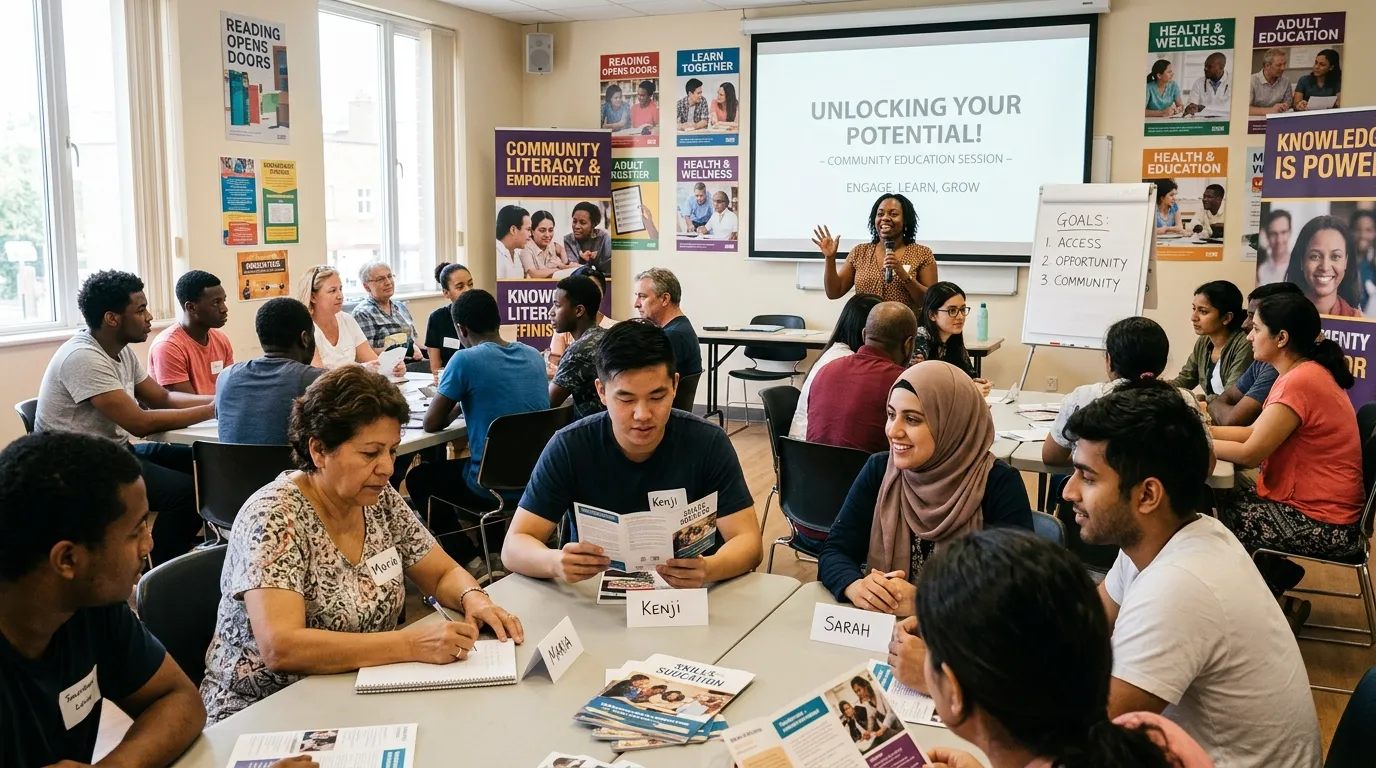
A single conversation can save a life. That truth sits at the core of every successful community education campaign. When people learn the facts about a health risk, a social challenge, or a preventable disease, they make better decisions—for themselves and for the people around them.
Yet good intentions alone rarely move the needle. Strong campaigns run on careful planning, clear messages, and real community involvement. The weak ones fade after a single event, leaving little behind. The difference comes down to strategy.
This guide breaks down everything you need to plan, run, and measure effective community education campaigns. You will learn what they are, why they matter, and how to design programs that change behavior rather than fill a calendar. We will also explore real public health awareness campaigns, common obstacles, and the technology reshaping the field. Whether you lead a nonprofit, manage a health program, or volunteer in your neighborhood, these strategies will help you create campaigns that last.
What Are Community Education Campaigns?
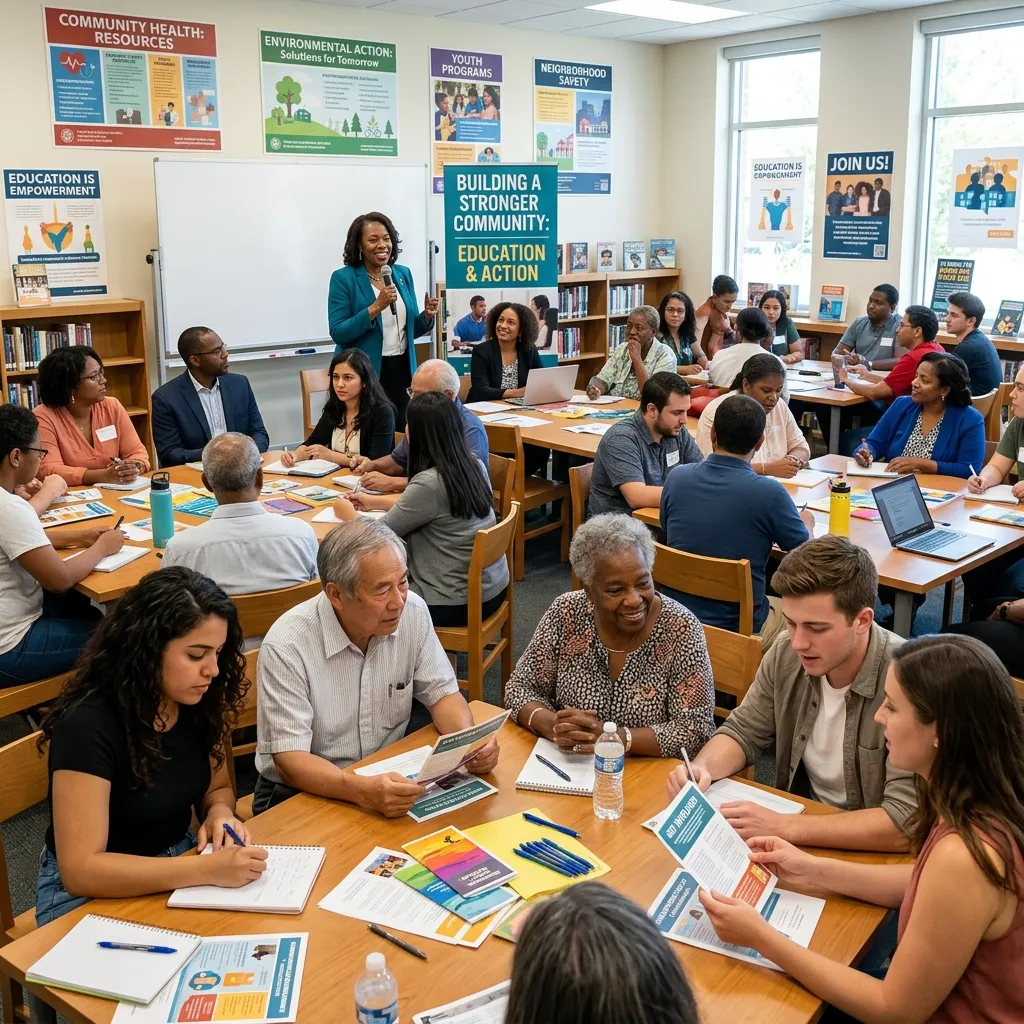 Community education campaigns are structured, ongoing efforts that share knowledge with a defined group of people to improve health, safety, or social outcomes. They rely on clear goals, trusted messengers, and measurable results rather than scattered one-off events.
At their core, these campaigns rest on a few principles: they meet people where they are, they respect local culture, and they invite the community to take part rather than simply receiving information. This sense of ownership turns passive listeners into active champions.
Why are community education campaigns so important?
The value of community health education programs shows up in three ways.
- Raising awareness: Many people have never heard of a condition or risk until it touches their own family. Awareness closes that gap before harm occurs.
- Changing behaviors: Knowledge alone rarely changes habits. Good campaigns pair facts with motivation, helping people act differently—getting screened, eating better, or seeking help sooner.
- Empowering communities: When people understand an issue, they gain control. They make informed choices, support their neighbors, and demand better services.
What do successful public health awareness campaigns look like?
History offers powerful proof that education works. The global polio eradication effort, led by the World Health Organization and partners, combined mass immunization with door-to-door education and cut polio cases by more than 99% since 1988.
Contemporary examples are just as striking. Vaccination drives, anti-smoking campaigns, and inherited disease screening programs all show how the right message, delivered to the right people, prevents suffering. Cyprus and parts of Italy, for example, reduced severe thalassemia births by more than 90% through mandatory screening paired with public education, according to the Centers for Disease Control and Prevention. That single statistic captures the power of health promotion campaigns done well.
How Do You Design Effective Community Health Education Programs?
A great idea means little without a solid plan. The strongest community health education programs follow a clear process, moving from research to message to delivery.
Phase 1: How do you assess needs and plan goals?
Effective campaigns start with listening. Before designing anything, learn what the community actually needs.
- Identify the target audience: Define exactly who you want to reach—new parents, young couples, schoolchildren, or a high-risk group.
- Understand their knowledge and perceptions: Survey the community to learn what they already believe. Misconceptions matter as much as gaps.
- Set SMART goals: Make objectives Specific, Measurable, Achievable, Relevant, and Time-bound. “Screen 500 couples within six months” beats “raise awareness.”
Needs assessments reveal where energy should go. Skip this step, and you risk solving a problem the community does not have.
Phase 2: How do you develop content and messaging?
Once you know your audience, focus on the message itself.
Use clear, simple language that people grasp instantly. Jargon loses attention fast. Just as important, make every message culturally sensitive—respect local beliefs, traditions, and language so the campaign feels welcoming rather than preachy.
Mix your formats too. Brochures, short videos, social media posts, and radio spots each reach different people. And never underestimate storytelling. A real testimony from someone affected by an issue moves people far more than a page of statistics. Pair facts with human stories, and your message sticks.
Phase 3: How do you implement the campaign?
Planning sets the stage; execution delivers results.
- Choose the right channels: Combine workshops, community events, and digital platforms so no one misses out.
- Engage community leaders and influencers: A trusted local voice—a religious leader, teacher, or respected elder—carries more weight than any official notice.
- Allocate resources wisely: Map out a realistic budget and timeline. Secure funding for materials, venues, and speakers early.
For specific implementation tactics in a school setting, see our guide on School Awareness Programs, which breaks down channels and engagement step by step.
What Makes Health Promotion Campaigns Succeed?
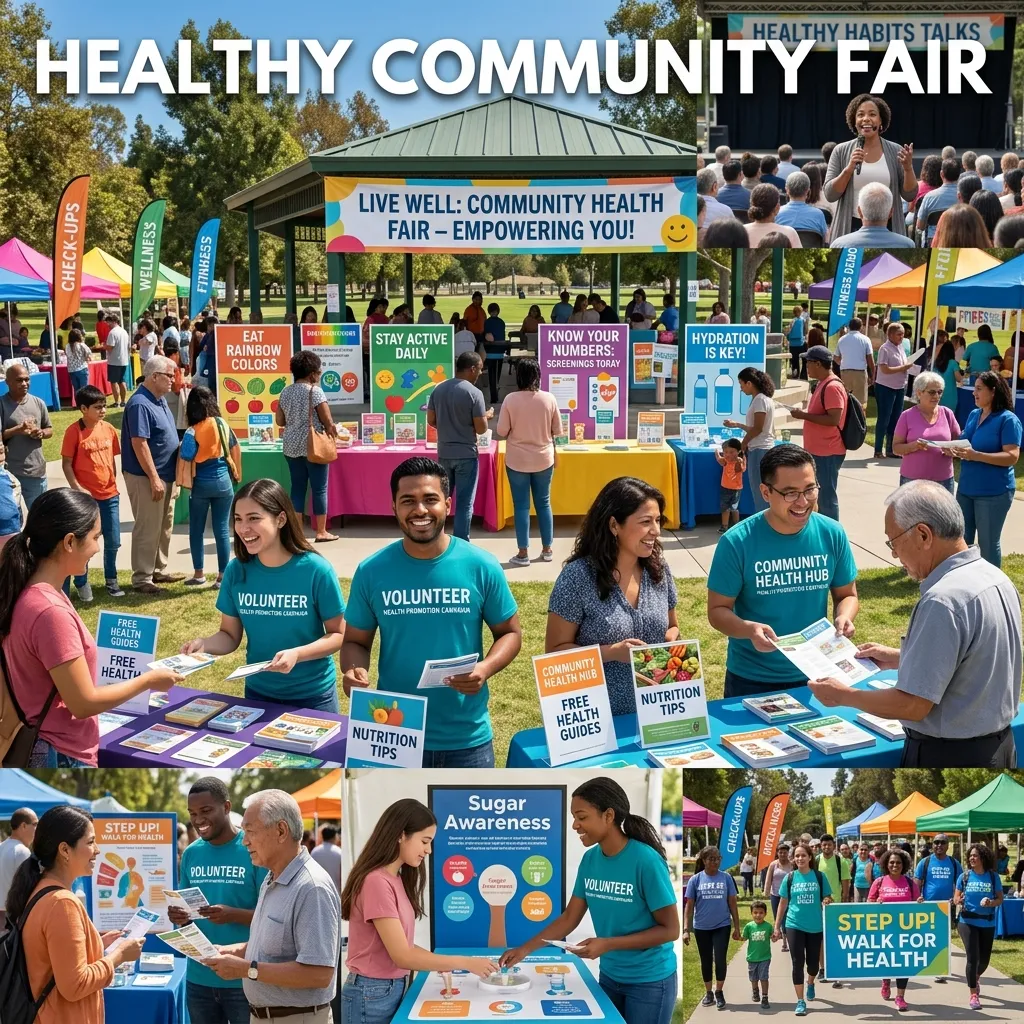 Certain elements separate campaigns that change lives from those that fade quietly. Build these into your plan from the start.
How does community engagement drive success?
Awareness works best when everyone joins in. When community members help design and lead a campaign, their neighbors listen more closely. This sense of ownership transforms a top-down message into a shared mission. Collaborative decision-making—inviting the community into planning—ensures the campaign reflects real needs and earns genuine trust.
Why does cultural sensitivity matter?
A message that resonates in one community may fall flat in another. Tailor your content to the specific population you serve. Address language barriers with translated materials and bilingual messengers. Respect cultural norms around sensitive topics, especially those tied to family, marriage, or genetics. Inclusivity is not a nice-to-have; it determines whether your message lands at all.
How do multi-sectoral partnerships strengthen campaigns?
No single organization can do everything. The strongest health promotion campaigns bring together government agencies, NGOs, local businesses, and healthcare providers. Each partner contributes different expertise, funding, and reach. A clinic offers screening, a school offers space, a business offers sponsorship, and the government offers policy support. Together, they achieve what none could alone.
How do you monitor and evaluate impact?
A campaign you cannot measure is a campaign you cannot improve. Track progress against your SMART goals using clear metrics—participation rates, screening numbers, survey scores, and behavior change. Gather feedback throughout and adjust as you go. Pre- and post-campaign assessments reveal real knowledge gains, while long-term tracking shows whether new habits stick. Share results with stakeholders to prove value and guide your next effort.
What Are the Biggest Challenges in Running Community Education Campaigns?
Even well-planned campaigns hit obstacles. Knowing them in advance helps you respond.
What are the common obstacles?
- Funding limitations: Many campaigns run on tight budgets, restricting reach and materials.
- Reaching marginalized populations: Remote, low-income, or socially excluded groups often miss standard outreach.
- Resistance to change: People may cling to old habits or distrust outside advice.
- Misinformation and skepticism: False claims spread fast, especially online, and can undo months of careful work.
How do you overcome these challenges?
Each obstacle has a practical solution. Innovative fundraising—grants, corporate sponsorships, and crowdfunding—stretches limited budgets. Grassroots outreach through mobile clinics and door-to-door visits reaches people that standard methods miss. Building trust takes time, so partner with respected local figures and show up consistently. To counter misinformation, lead with clear, fact-checked communication and address myths head-on rather than ignoring them.
Awareness is the thread running through every solution. Learn more about why it matters in our post on Thalassemia Awareness: Importance and Full Tips.
Case Study: How One Screening Campaign Changed a Nation
Real examples bring best practices to life, and few are more striking than Cyprus.
Background and objectives: In the 1970s, Cyprus faced a heavy thalassemia burden. Severe cases strained families and the health system. The objective was clear—prevent new cases of thalassemia major.
Strategies employed: The campaign combined mandatory premarital carrier screening with widespread public education delivered through schools, the church, and the media. Genetic counseling helped carriers understand their risk and options. This was a true multi-sectoral effort, uniting government, healthcare providers, and religious institutions.
Outcomes and impact: The results were dramatic. Cyprus reduced severe thalassemia births by more than 90%, according to the Centers for Disease Control and Prevention. A condition that once overwhelmed the health system became rare within a single generation.
Lessons learned: Three lessons stand out. First, screening and education must work together—neither succeeds alone. Second, trusted local institutions, like the church in Cyprus, give a campaign reach and credibility. Third, sustained effort over years, not weeks, produces lasting change.
For more on how organized global campaigns operate, explore the work of the World Health Organization, which coordinates public health education worldwide.
How Is Technology Transforming Community Health Education Programs?
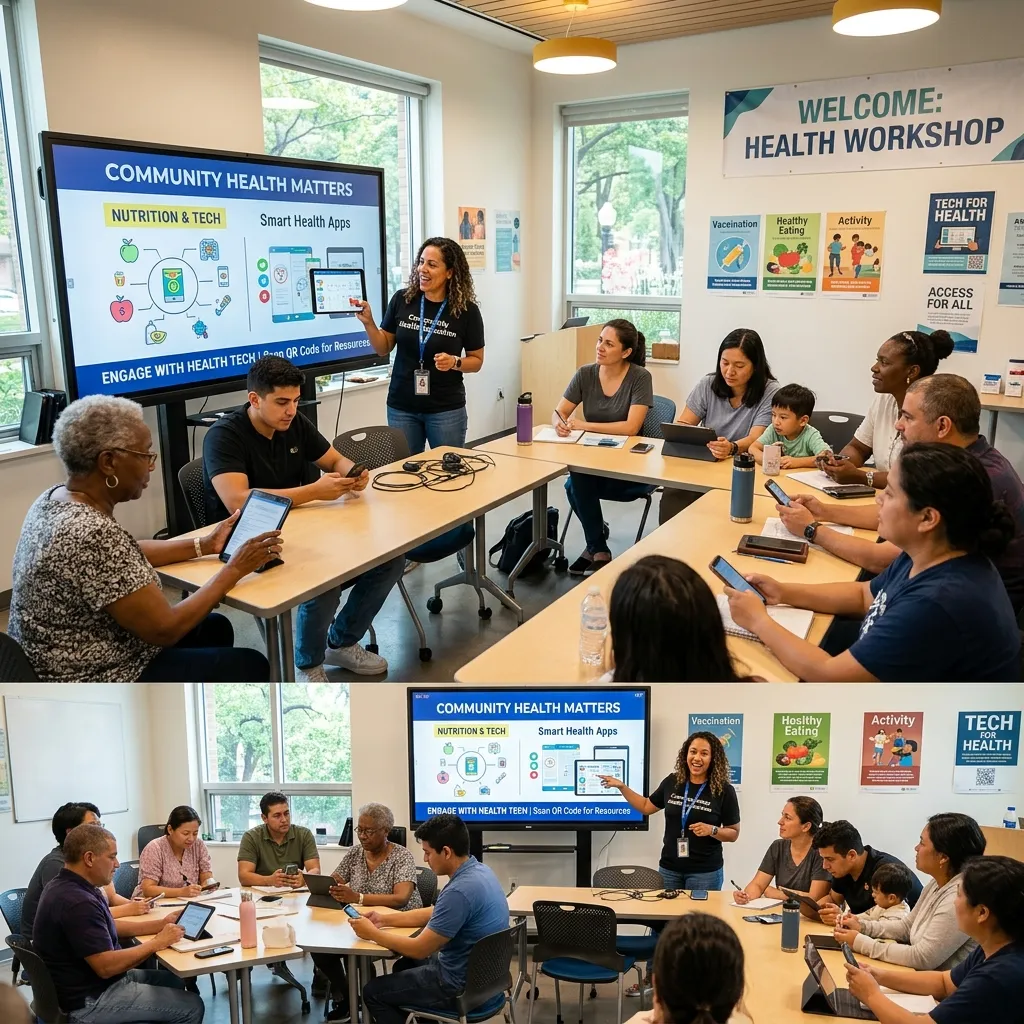 Technology has opened powerful new doors for community education campaigns. Used well, these tools reach more people and engage them more deeply.
Digital platforms and social media let campaigns spread messages, share patient stories, and reach younger audiences at a fraction of traditional costs. Mobile applications now help people track their health, set reminders, and access reliable information on demand. Data analytics allow organizers to target messages precisely, reaching the people who need them most rather than broadcasting blindly. Telehealth and remote education extend expert guidance to rural and underserved communities that once had little access to care.
These tools do not replace human connection—they amplify it. A well-run digital campaign still depends on trust, accuracy, and genuine community involvement.
What Are the Future Trends in Health Promotion Campaigns?
The field keeps evolving, and forward-thinking organizers are already adapting.
Personalized health education is rising fast, using data to tailor messages to individual needs rather than one-size-fits-all broadcasts. Artificial intelligence and machine learning now help predict which communities face the greatest risk, allowing campaigns to act before problems grow. Gamification—turning learning into points, badges, and friendly competition—keeps people engaged with serious topics, especially younger audiences. To see how these ideas work in real settings, explore our guide to running effective thalassemia prevention programs.
The broader trend points toward integration, personalization, and measurable results. Campaigns that embrace these shifts will reach further and last longer.
Building Campaigns That Create Lasting Change
Community education campaigns do far more than share information. They protect health, change behaviors, and empower people to shape their own futures. The organizations that take them seriously see the difference in their communities, year after year.
The path forward is clear. Start by listening to your community’s needs. Build clear, culturally sensitive messages and deliver them through trusted channels. Engage community leaders, form strong partnerships, and measure your impact every step of the way. Then refine what works and reshape what does not.
Begin with one strong program. Prove its value. Build from there. For deeper insight into turning awareness into action, explore our resources on community engagement strategies and the global frameworks offered by the World Health Organization. Knowledge, delivered well, changes lives—and it starts with a single, well-planned campaign.
Conclusion
Community education campaigns play a vital role in improving public health by spreading accurate information and encouraging positive behavior change. They help people understand diseases, adopt healthier habits, and make informed decisions about prevention and care. When designed effectively, these campaigns strengthen trust, increase awareness, and promote active community participation. By combining education, outreach, and local engagement, community education efforts can create long-term improvements in health outcomes and overall quality of life.
Frequently Asked Questions
1. What is a community education campaign?
A community education campaign is an organized, ongoing effort to teach a specific group of people about a health, social, or safety issue. It uses clear messaging, trusted channels, and active community participation to raise awareness, change behaviors, and improve outcomes.
2. How do community education campaigns differ from public health awareness campaigns?
Public health awareness campaigns are a type of community education campaign focused specifically on health topics, such as vaccination or disease screening. Community education campaigns cover a broader range, including safety, social issues, and personal development, though the two overlap heavily.
3. How much does it cost to run a community education campaign?
Costs vary widely based on scale, channels, and duration. A small grassroots campaign may run on a few hundred dollars for printed materials, while a regional health promotion campaign with screening services can cost thousands. Many campaigns reduce costs through grants, partnerships, and volunteer support.
4. How long does it take to see results from a community education campaign?
Awareness can rise within weeks, but real behavior change takes months or even years. The most successful community health education programs run continuously rather than as one-off events, since sustained effort is what produces lasting change.
5. Who should lead a community education campaign?
A mix of organizers works best: a coordinating organization to manage strategy, trusted community leaders to deliver messages, healthcare or subject experts to ensure accuracy, and community members to provide feedback and ownership. Local credibility matters more than official titles.
6. What are the most common reasons campaigns fail?
Campaigns commonly fail due to poor planning, ignoring community input, weak or confusing messaging, lack of cultural sensitivity, insufficient funding, and treating the effort as a single event rather than an ongoing program. Skipping measurement also makes improvement impossible.
7. How do you measure the success of a community education campaign?
Measure success with both quantitative data—participation rates, screening numbers, survey scores—and qualitative data such as testimonials and focus group feedback. Compare pre- and post-campaign assessments to track knowledge gains and long-term behavior change against your SMART goals.
8. How can small organizations run effective campaigns on a tight budget?
Small organizations can maximize impact through partnerships, volunteer support, free social media channels, and grassroots outreach. Focusing on one clear goal and one well-defined audience also stretches limited resources further than a broad, unfocused effort.
9. How do you reach marginalized or hard-to-reach populations?
Reach marginalized groups through grassroots outreach—mobile clinics, door-to-door visits, and trusted local messengers. Translated materials, culturally sensitive messaging, and partnerships with community organizations help overcome language, distance, and trust barriers.
10. What role does technology play in modern community education campaigns?
Technology amplifies reach and engagement through social media, mobile health apps, data-driven targeting, and telehealth. These tools help campaigns reach more people, personalize messages, and extend expert guidance to underserved areas, though they work best alongside genuine community involvement.
