


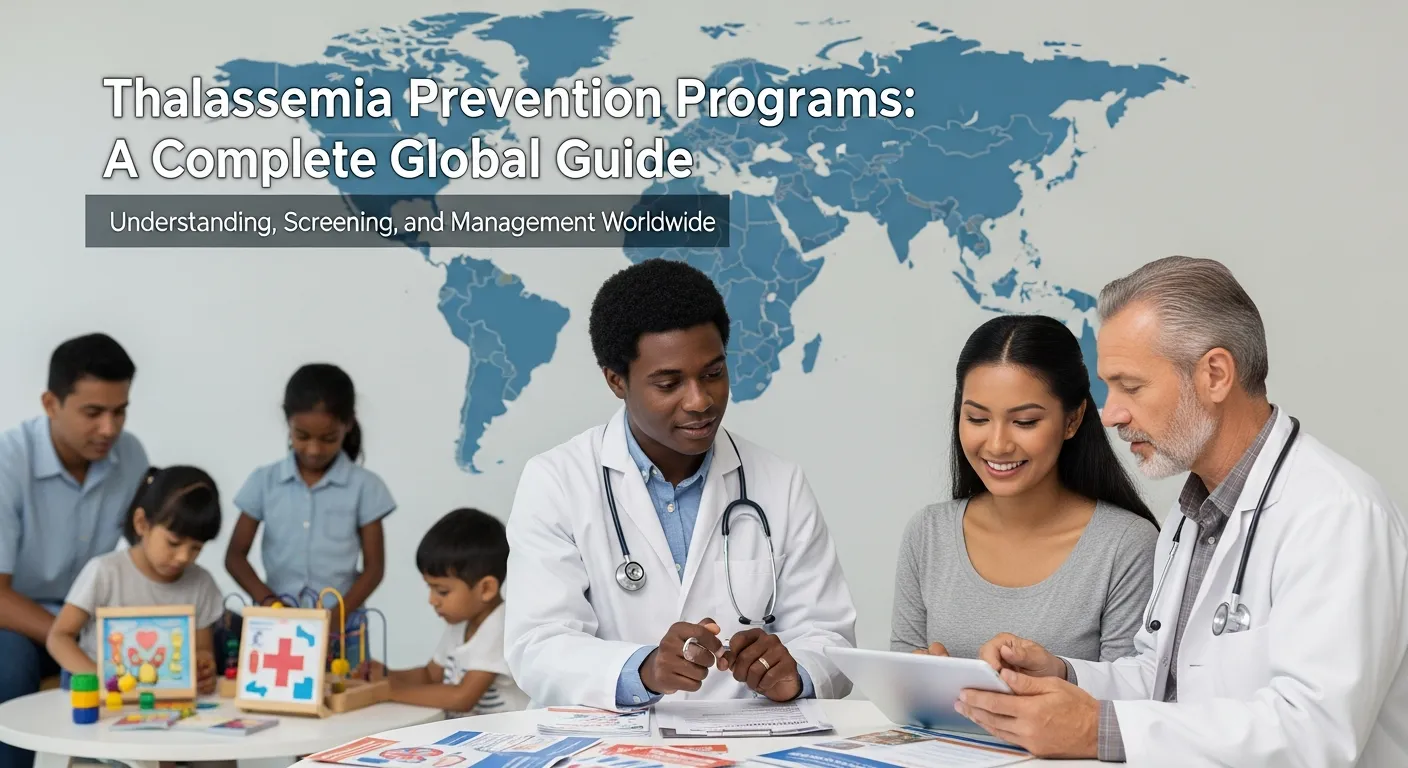
Thalassemia prevention programs reduce the birth of children with severe thalassemia through carrier screening, genetic counseling, and public education. Countries like Cyprus and Italy have cut new cases by over 90% using these proven strategies.
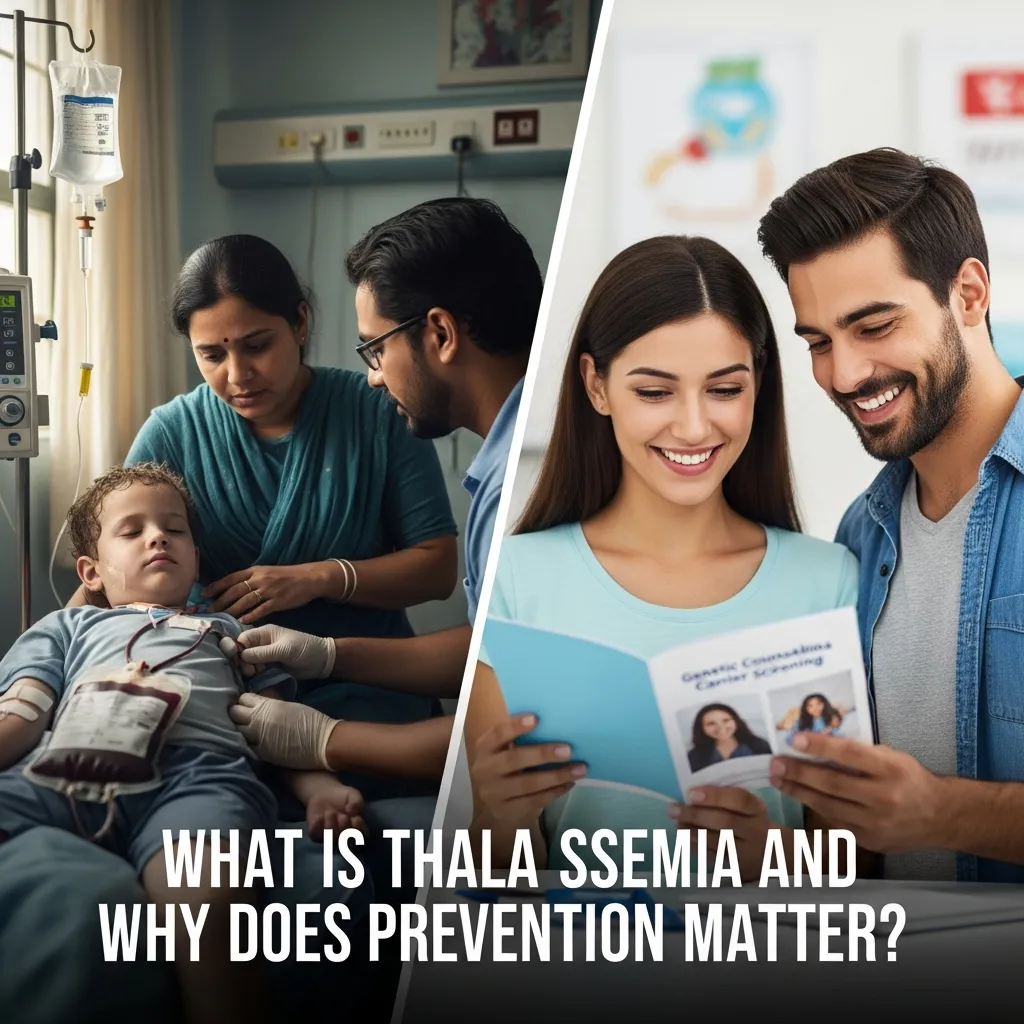
The disease creates a heavy burden. Patients with severe forms often need regular blood transfusions and iron-removal therapy for life. This affects families emotionally and financially, while placing significant strain on healthcare systems.
According to the World Health Organization, about 5% of the global population carries a hemoglobin disorder gene. In high-prevalence regions, carrier rates can climb much higher. Because severe thalassemia is both serious and preventable, thalassemia prevention programs offer one of the most cost-effective public health investments available.
How Is Thalassemia Inherited?
Understanding the genetics behind thalassemia explains why prevention works so well. Thalassemia follows an autosomal recessive inheritance pattern, meaning a child must inherit two faulty genes—one from each parent—to develop a severe form.
What Are the Main Types of Thalassemia?
Thalassemia is grouped by which part of the hemoglobin molecule is affected:
- Alpha thalassemia: Caused by missing or mutated alpha-globin genes. Severity ranges from a silent carrier (one gene affected) to alpha thalassemia major, which is often fatal before or shortly after birth (four genes affected).
- Beta thalassemia: Caused by mutations in the beta-globin genes. One mutation usually causes mild beta thalassemia minor, while two mutations can cause beta thalassemia major (also called Cooley’s anemia) or intermedia.
Patients are also described as having thalassemia major (severe, transfusion-dependent), intermedia (moderate), or minor (carrier with mild or no symptoms).
What Happens When Both Parents Are Carriers?
When two carriers have a child, each pregnancy carries:
- A 25% chance of an unaffected child
- A 50% chance of a carrier child
- A 25% chance of a child with severe thalassemia
These clear, predictable odds make carrier identification the cornerstone of prevention. To learn how counseling helps families interpret these risks, see this guide on genetic counseling for thalassemia.
What Are the Core Components of Effective Thalassemia Prevention Programs?
The strongest thalassemia prevention programs share three pillars: screening, counseling, and education. Together, these components help at-risk couples make informed choices before having children.
Pre-marital Screening and Counseling
Pre-marital screening tests couples for carrier status before marriage. This is one of the most powerful prevention tools, especially in regions where thalassemia is common.
Early detection matters because most carriers feel completely healthy and have no idea they carry the gene. When couples learn their status early, counselors can explain the risks and walk them through their options before pregnancy. This conversation is most useful when delivered with sensitivity, respect, and clear medical facts.
Pre-conception and Prenatal Screening
For couples already planning a family, carrier screening tests confirm whether one or both partners carry a thalassemia gene. These tests typically start with a complete blood count and hemoglobin electrophoresis, followed by DNA analysis to pinpoint specific mutations. You can read more in this thalassemia carrier screening test guide.
If both partners are carriers and a pregnancy is underway, two diagnostic tests can determine whether the baby is affected:
- Chorionic villus sampling (CVS): Usually performed between weeks 10 and 13 of pregnancy.
- Amniocentesis: Usually performed between weeks 15 and 20.
These tests raise important ethical questions. Effective programs support informed, non-directive decision-making, where families receive accurate information and make choices aligned with their own values, culture, and beliefs.
Public Awareness and Education Campaigns
Screening only works when people understand why it matters. Public awareness campaigns target high-risk communities with clear, accurate messaging about carrier status, inheritance, and screening options.
Successful campaigns use a mix of outreach methods—school programs, healthcare provider referrals, community events, and digital media. For more on building these efforts, explore this resource on thalassemia education and advocacy.
Cultural sensitivity is essential. Many families hesitate to discuss genetic conditions because of stigma or fear of judgment. Programs that respect local beliefs and involve trusted community leaders are far more likely to succeed.
How Are Thalassemia Prevention Programs Implemented?
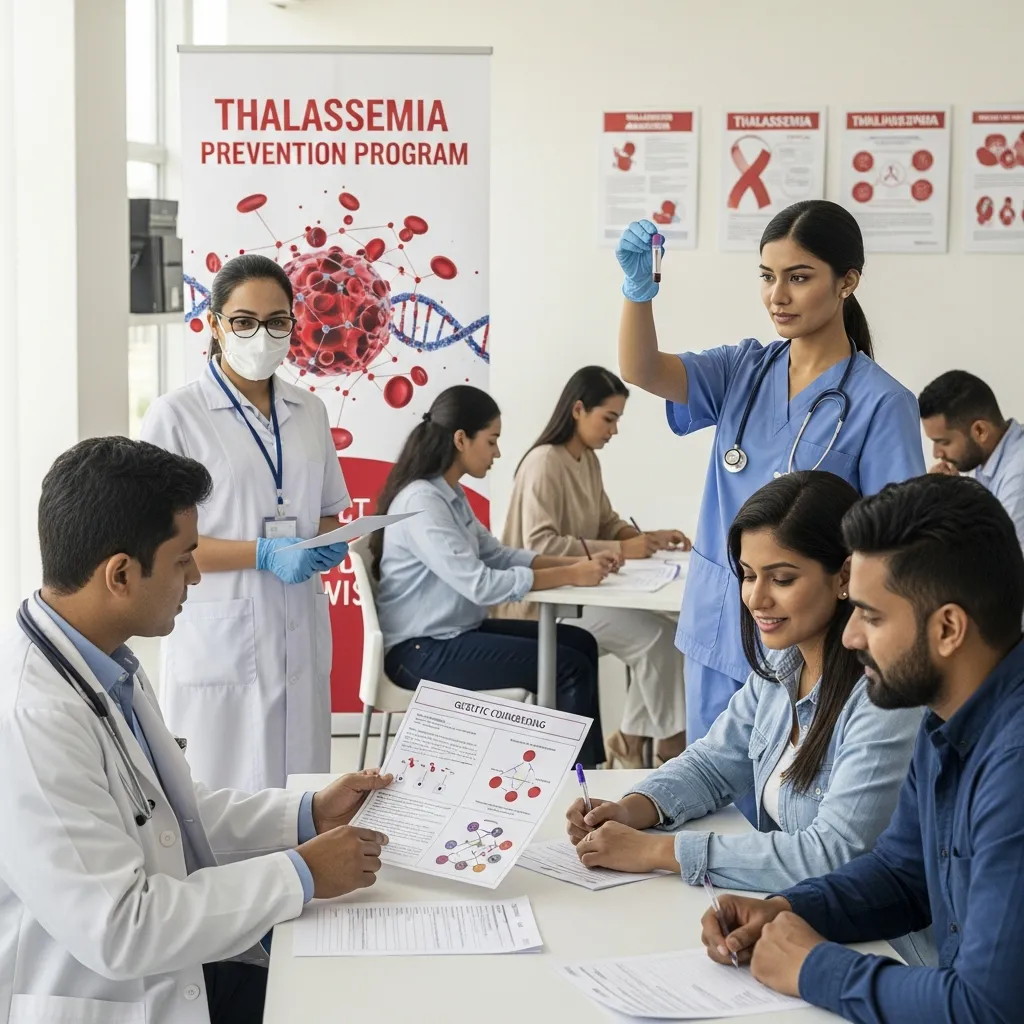 Strong policy, trained professionals, and engaged communities turn good intentions into measurable results.
Policy and Advocacy
Government support gives prevention programs reach and staying power. National screening initiatives, integrated into routine healthcare, ensure that screening is accessible and affordable. Some countries have made premarital screening a legal requirement.
Non-governmental organizations and international bodies also play a key role. The Thalassaemia International Federation and the World Health Organization help countries design screening strategies, fund education, and share best practices across borders.
Healthcare Professional Training
A prevention program is only as strong as the people running it. Doctors, nurses, and counselors need proper training to deliver screening, interpret results accurately, and counsel families with care.
Standardized protocols matter too. When every clinic follows the same screening and management guidelines, families receive consistent, reliable care no matter where they live.
Community Engagement and Support
Trust drives participation. When communities feel respected and informed, more people come forward for screening. Local advocates, patient organizations, and peer networks help build that trust. Learn how this works in practice through thalassemia community engagement.
Support networks also matter for families already affected by thalassemia. Connecting them with care centers, hematologists, and other families reduces isolation and improves long-term outcomes.
What Challenges Do Thalassemia Prevention Programs Face?
Even well-designed programs run into obstacles. Recognizing these challenges helps planners build stronger, more resilient programs.
- Funding and resource allocation: Screening labs, trained staff, and education campaigns all cost money. In lower-income regions, limited budgets can restrict access to testing and counseling.
- Cultural and religious barriers: In some communities, discussing genetic conditions or reproductive choices is sensitive. Programs must respect these values while still providing accurate information.
- Access to screening and diagnostic services: Rural and remote populations often lack nearby labs or specialists. This delays diagnosis and reduces opportunities for prevention.
- Misinformation and pseudoscience: False claims about thalassemia can discourage screening or promote ineffective “cures.” Clear, trustworthy public health messaging is the best defense.
Each challenge has solutions. Mobile screening units, telehealth counseling, partnerships with religious leaders, and digital education tools all help close these gaps.
Which Countries Have the Most Successful Thalassemia Prevention Programs?
Real-world results prove that prevention works. Several countries have dramatically reduced new thalassemia cases through committed, well-organized programs.
Cyprus: A Model for Eradication
Cyprus is widely cited as the gold standard. Once facing one of the highest thalassemia rates in the world, the country introduced mandatory premarital screening combined with genetic counseling and strong public education. The result was a near-total reduction in new cases of severe thalassemia—an achievement that turned Cyprus into a global model for prevention.
Italy: A Major Reduction in Incidence
Italy, particularly the region of Sardinia, achieved remarkable success through voluntary screening, education, and prenatal diagnosis. Public awareness combined with accessible testing led to a steep decline in the number of children born with severe beta thalassemia.
Other Regional Successes
Countries across the Mediterranean, Middle East, and parts of Asia have adopted similar strategies with strong results. The shared lesson is clear: combining screening, counseling, education, and supportive policy delivers the biggest impact. Programs that adapt these proven elements to local culture and resources see the best outcomes.
What Does the Future of Thalassemia Prevention Look Like?
The next generation of thalassemia prevention programs will be more precise, more personal, and more connected.
- Advances in genetic testing: Faster, cheaper, and more accurate DNA testing is making carrier screening accessible to more people than ever before.
- Personalized prevention strategies: Reproductive options such as IVF with preimplantation genetic diagnosis (PGD) allow couples to screen embryos before pregnancy, expanding the choices available to at-risk families.
- Global collaboration: Shared data, harmonized protocols, and international partnerships help spread successful models to regions that need them most. Digital health tools and mobile apps can also extend education and screening to remote communities.
As these tools mature, the goal of a thalassemia-free future moves closer to reality.
Building a Thalassemia-Free Future Together
 Preventing thalassemia is a shared responsibility. Governments, healthcare workers, advocacy groups, and families all play a part. The evidence is overwhelming: where thalassemia prevention programs combine screening, genetic counseling, education, and supportive policy, severe cases drop dramatically.
If you have a family history of thalassemia or live in a high-prevalence region, the most important first step is simple—get screened and talk to a genetic counselor. Knowledge gives families the power to make informed, confident decisions. To go deeper, explore how thalassemia awareness and early detection protect future generations.
The success stories of Cyprus and Italy prove what’s possible. With continued commitment, that success can be repeated around the world.
Conclusion
Thalassemia Prevention Programs play a crucial role in reducing the global burden of inherited blood disorders. By focusing on early carrier screening, genetic counseling, and public awareness, these programs help identify at-risk individuals before severe conditions are passed on to children.
They empower families with accurate information, enabling informed decisions about marriage, pregnancy, and family planning. With proper implementation and community participation, Thalassemia Prevention Programs can significantly reduce new cases of severe thalassemia.
Ultimately, prevention is more effective than treatment, and these programs offer a sustainable path toward healthier future generations and improved public health outcomes.
Frequently Asked Questions
1. What is the main goal of thalassemia prevention programs?
The main goal is to reduce the number of children born with severe thalassemia. Programs do this through carrier screening, genetic counseling, and public education that help at-risk couples make informed reproductive decisions.
2. Who should get screened for thalassemia?
Anyone with a family history of thalassemia, unexplained anemia, or ancestry from high-prevalence regions—such as the Mediterranean, Middle East, South Asia, or Southeast Asia—should get screened. Couples planning to marry or have children benefit most from early testing.
3. What happens if both parents are thalassemia carriers?
If both parents are carriers, each pregnancy has a 25% chance of producing a child with severe thalassemia, a 50% chance of a carrier child, and a 25% chance of an unaffected child. Genetic counseling helps couples understand these odds and explore their options.
4. Is thalassemia prevention mandatory in all countries?
No. Some countries, like Cyprus, require premarital screening, while many others offer voluntary programs. Policies vary based on local prevalence, healthcare systems, and cultural factors.
5. How effective are current thalassemia prevention programs?
Highly effective when well-implemented. Cyprus and Italy reduced new cases of severe thalassemia by over 90% using combined screening, counseling, and education strategies.
6. What role does genetic counseling play?
Genetic counseling helps individuals understand their carrier status, interpret test results, calculate inheritance risks, and explore reproductive options. It also provides emotional support during difficult decisions.
7. Are there any risks associated with prenatal diagnosis?
Prenatal tests like chorionic villus sampling and amniocentesis carry a small risk of complications, including miscarriage. A genetic counselor or doctor can explain these risks so families can decide what’s right for them.
8. How can communities support thalassemia prevention?
Communities can promote screening, host education campaigns, support advocacy groups, involve trusted local leaders, and create support networks for affected families. Strong community trust increases participation.
9. What are the ethical considerations in prevention programs?
Key concerns include informed consent, privacy, non-directive counseling, and respecting cultural and religious values. Ethical programs give families accurate information and let them make their own choices.
10. Where can I find more information on thalassemia prevention?
Trusted sources include the World Health Organization and the Centers for Disease Control and Prevention. You can also explore related guides on carrier screening, genetic counseling, and awareness through Thalassemia Care Hub.
