


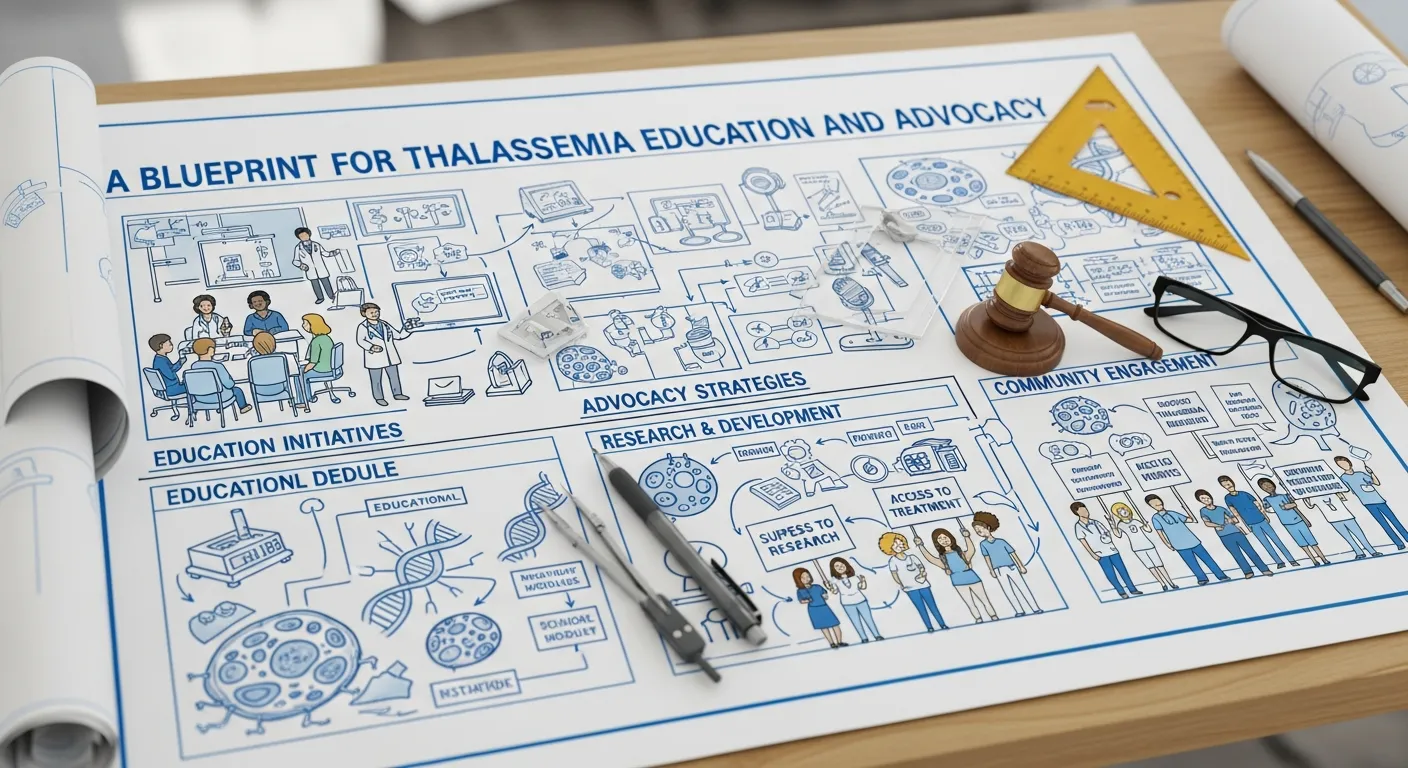
This topic highlights the importance of education and advocacy in improving outcomes for people affected by thalassemia. It focuses on raising awareness, promoting carrier screening, and supporting patient communities through outreach programs and health education. Strong advocacy efforts help improve early diagnosis, reduce stigma, and ensure better access to care and resources for individuals and families living with thalassemia.
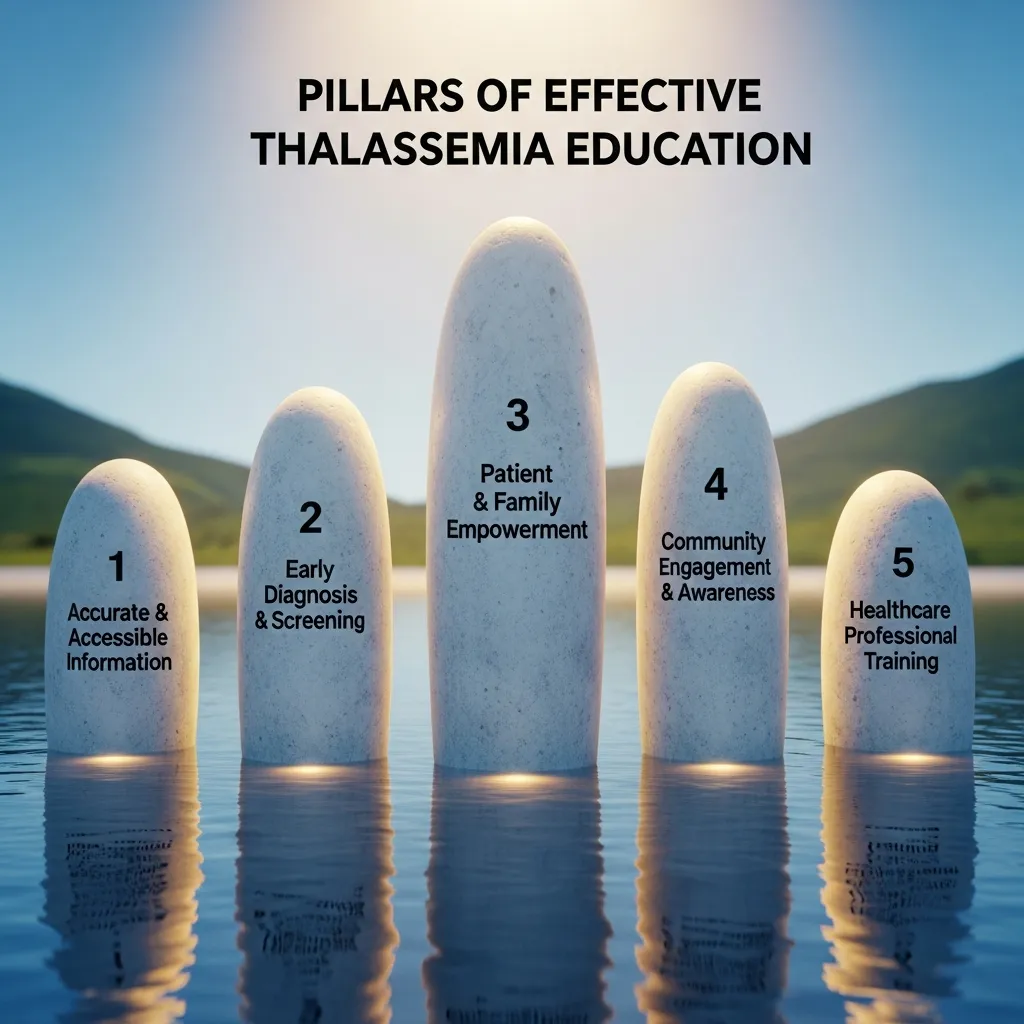
Understanding Thalassemia: A Comprehensive Overview
Before an affiliate can educate others, they must provide a clear, medically accurate foundation regarding the condition. Thalassemia involves mutations that affect hemoglobin production, leading to chronic anemia and a host of physical challenges.
Types and Symptoms
The condition is broadly categorized into minor, intermedia, and major classifications. Patients with severe forms experience extreme fatigue, pale skin, bone deformities, and delayed growth. Educating the community on these early warning signs is vital for prompt medical intervention. For a deeper look at recognizing these indicators, organizations often reference a comprehensive thalassemia symptoms guide.
Diagnosis and Management
Early diagnosis through newborn screening and hemoglobin panel testing allows families to prepare for long-term care. Management typically involves routine blood transfusions and iron chelation therapy to prevent fatal organ damage. Providing clear, easy-to-understand materials on these treatment protocols reduces patient anxiety and improves medical adherence.
Tailoring Educational Content for Diverse Audiences
A one-size-fits-all approach to communication frequently falls flat. Thalassemia education and advocacy initiatives must segment their messaging to address the unique needs of different groups.
Patients and Caregivers
Families require practical, day-to-day guidance. They need to understand dietary restrictions, recognize the side effects of iron overload, and learn how to manage strict medication schedules. Affiliates should provide multilingual, culturally sensitive pamphlets and digital resources that break down complex medical jargon into simple, actionable steps.
Healthcare Professionals
General practitioners and emergency room staff often lack specialized knowledge of rare blood disorders. Affiliates can bridge this gap by distributing clinical guidelines, hosting medical seminars, and sharing the latest peer-reviewed research on transfusion protocols and chelation therapies.
General Public
Public awareness campaigns demystify the condition and reduce social stigma. By educating the broader community about genetic trait inheritance and the importance of voluntary blood donation, affiliates cultivate a supportive environment for affected families.
Innovative Educational Strategies
Modern communication tools have revolutionized how organizations share information. Affiliates must leverage these advancements to maximize their reach.
Digital Platforms and Resources
Creating a robust online presence is a cornerstone of modern thalassemia education and advocacy. Interactive websites, engaging social media content, and downloadable resource kits allow patients from isolated regions to access life-saving information. Affiliates should prioritize search engine optimization and mobile-friendly designs to ensure their materials are easily discoverable. To see examples of effective online outreach, explore strategies for thalassemia community engagement.
Workshops and Webinars
Virtual and in-person workshops provide safe spaces for interactive learning. Hosting sessions featuring hematologists, dietitians, and mental health counselors allows patients to ask direct questions and receive expert advice. Webinars also offer the added benefit of being recorded and archived for future reference.
Community Outreach Programs
Grassroots initiatives ground your mission in the local community. Organizing blood drives, health fairs, and school educational sessions raises the profile of the disease while actively contributing to the medical resources required for patient survival.
The Power of Thalassemia Advocacy
While education provides the tools for daily management, advocacy alters the systemic landscape. Strong thalassemia education and advocacy programs actively influence public policy and healthcare infrastructure.
Shaping Policy for Better Patient Outcomes
Affiliates carry the collective voice of the patient community into the halls of government.
Advocating for Research Funding
Medical breakthroughs depend on robust financial backing. Advocacy groups lobby federal and private institutions to allocate specific grants for rare genetic disorder research. This funding accelerates the development of advanced therapies, including gene editing and improved stem cell transplantation techniques.
Improving Access to Treatment and Care
Geographic and financial barriers often prevent patients from receiving specialized hematological care. Affiliates advocate for the establishment of regional comprehensive care centers where patients can consult with multidisciplinary teams—including cardiologists and endocrinologists—in a single location.
Ensuring Affordable Medications
The lifetime cost of managing severe anemia is staggering. Advocacy groups work relentlessly to negotiate with policymakers to ensure that health insurance plans cover essential treatments like iron chelators and blood filtration systems.
Empowering Patients Through Advocacy
True empowerment occurs when patients learn to speak up for their own health needs.
Patient Rights and Self-Advocacy
Affiliates must teach patients how to navigate complex healthcare systems. Training individuals to ask their doctors the right questions, seek second opinions, and understand their insurance rights transforms them from passive recipients of care into active health managers.
Support Networks and Peer Programs
Living with a chronic illness is emotionally taxing. Establishing peer mentorship programs connects newly diagnosed individuals with seasoned patients who understand their struggles. These relationships foster resilience and provide invaluable emotional backing.
Building Strategic Partnerships for Broader Impact
No single organization can alter the healthcare landscape alone. Thalassemia education and advocacy rely on collaborative alliances.
Collaborating with Healthcare Organizations
Partnering with local hospitals and nursing associations ensures that educational materials reach patients directly at the point of care. These alliances also facilitate faster referrals to specialized treatment centers. Read more about structuring these alliances through effective thalassemia partnerships.
Engaging Government Bodies and Policymakers
Consistent dialogue with public health officials is necessary for systemic reform. Affiliates should present data-driven reports highlighting the economic and social benefits of early disease intervention and comprehensive care models.
Partnering with Pharmaceutical Companies (Ethically)
Collaborating with drug manufacturers can provide funding for educational grants and patient assistance programs. Affiliates must maintain strict ethical boundaries to ensure that their patient advocacy remains unbiased and entirely focused on patient welfare.
Strengthening Thalassemia Affiliates: A Blueprint for Success
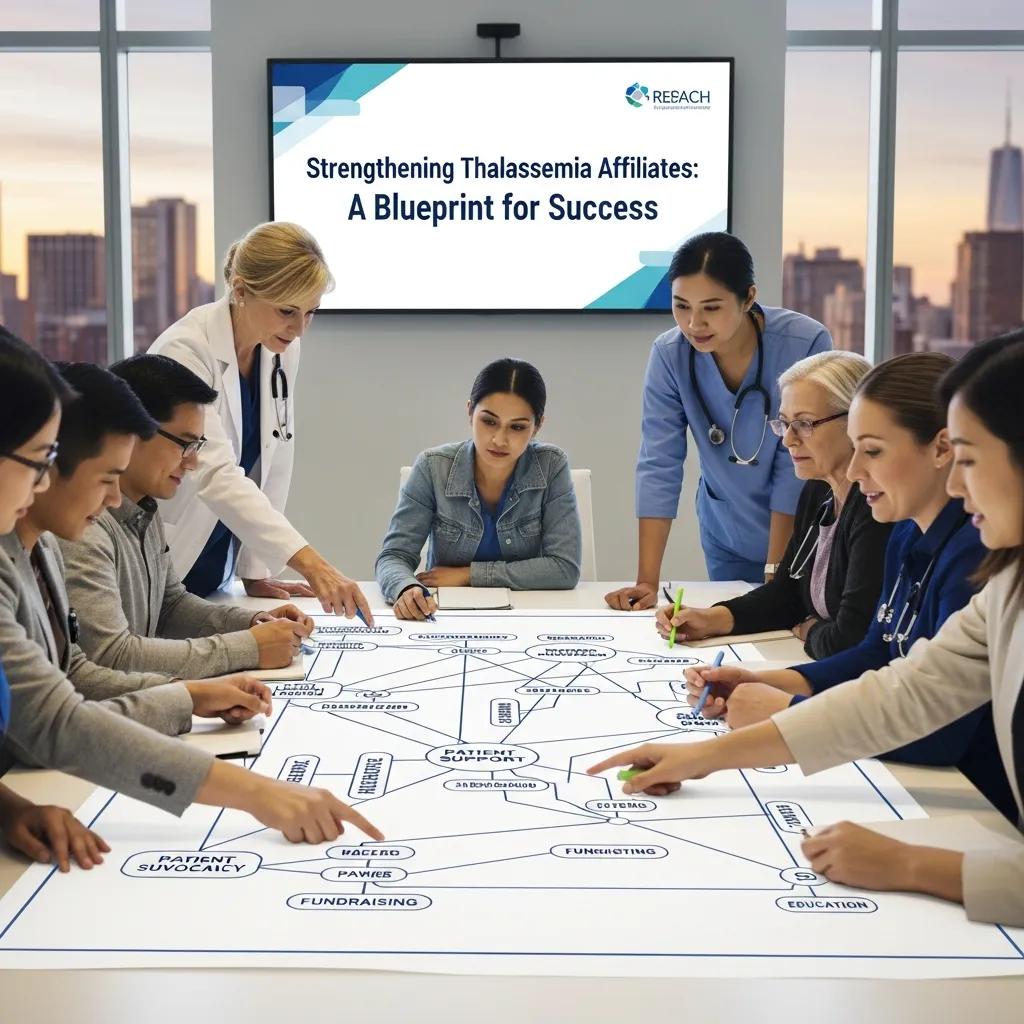 To sustain impactful thalassemia education and advocacy, affiliates themselves must be healthy, well-funded, and highly organized.
Capacity Building for Affiliate Organizations
An organization is only as strong as its foundation. Affiliates must invest in their internal structures to serve their communities effectively.
Training and Skill Development
Volunteers and staff members require continuous professional development. Training programs focused on non-profit management, digital marketing, and grant writing ensure that the affiliate operates efficiently and professionalizes its outreach efforts.
Funding and Resource Mobilization
Diversifying revenue streams protects the organization from financial instability. Affiliates should pursue a mix of government grants, corporate sponsorships, community fundraising events, and individual donor campaigns to secure long-term operational budgets.
Enhancing Communication and Collaboration Among Affiliates
Global challenges require global solutions. Regional affiliates must break out of their silos to share knowledge and resources.
Sharing Best Practices
Creating formal networks where affiliate leaders can exchange successful campaign strategies and operational templates saves time and prevents duplicated efforts. Regular international conferences and digital forums facilitate this essential exchange of ideas.
Joint Advocacy Campaigns
When multiple affiliates unite behind a single policy goal, their collective influence multiplies. Coordinated international awareness days or unified petitions to global health organizations demand attention and drive faster legislative action.
Measuring Impact and Demonstrating Value
Donors and partners want to see tangible results. Affiliates must track their progress to validate their funding requests and refine their strategies.
Key Performance Indicators for Education and Advocacy
Organizations should monitor metrics such as website traffic, webinar attendance, policy meetings secured, and the volume of distributed educational materials. Tracking these indicators helps leadership understand which initiatives yield the highest return on investment.
Storytelling and Impact Reporting
While statistics prove efficiency, human stories inspire action. Compiling annual impact reports that feature personal testimonials from patients whose lives were improved by the affiliate’s work provides a compelling narrative for future fundraising.
Overcoming Challenges in Thalassemia Education and Advocacy
The path to comprehensive care is fraught with obstacles. Affiliates must remain agile and responsive to navigate these hurdles successfully.
Addressing Misinformation and Stigma
Cultural myths surrounding genetic diseases often lead to discrimination and family isolation. Affiliates must actively combat these falsehoods by promoting scientifically accurate information and highlighting the normal, fulfilling lives led by properly treated patients.
Navigating Resource Constraints
Many non-profits operate on razor-thin margins. Maximizing volunteer networks, utilizing free digital marketing tools, and leaning into strategic partnerships can help affiliates execute large-scale campaigns even when financial resources are limited.
Sustaining Engagement and Momentum
Keeping a community energized over years of chronic illness management is difficult. Affiliates can combat volunteer and patient burnout by regularly celebrating small victories, recognizing volunteer contributions publicly, and continuously introducing fresh, highly relevant programming.
Success Stories and Inspirations
 Looking at successful models provides a roadmap for emerging affiliates. Worldwide, dedicated groups are proving that focused thalassemia education and advocacy can completely alter the trajectory of the disease.
Global Initiatives in Thalassemia Advocacy
International bodies have successfully pushed for standardized treatment protocols across borders. Organizations like the Thalassaemia International Federation (TIF) work tirelessly to elevate the condition on the global health agenda, providing guidance to local ministries of health regarding national control programs.
Local Heroes Making a Difference
At the grassroots level, local advocates are securing vital victories. From organizing remote village screening drives to successfully lobbying for state-funded iron chelation drugs, community leaders demonstrate that persistent, localized advocacy saves lives. You can also explore how broader public health guidelines shape these local interventions by visiting the Centers for Disease Control and Prevention (CDC).
A United Front for a Brighter Future
The complexity of genetic blood disorders demands an equally sophisticated response. Thalassemia education and advocacy provide the necessary framework to turn medical vulnerability into community strength.
By focusing on clear educational outreach, fiercely advocating for patient rights, and continually strengthening organizational capacity, affiliates can drastically improve the quality of life for thousands of families. Now is the time to audit your current outreach strategies, expand your digital footprint, and forge new alliances with local health providers.
Your organization possesses the potential to alter the future of rare disease management. Equip your volunteers, educate your community, and continue fighting for the comprehensive care that every patient deserves.
