


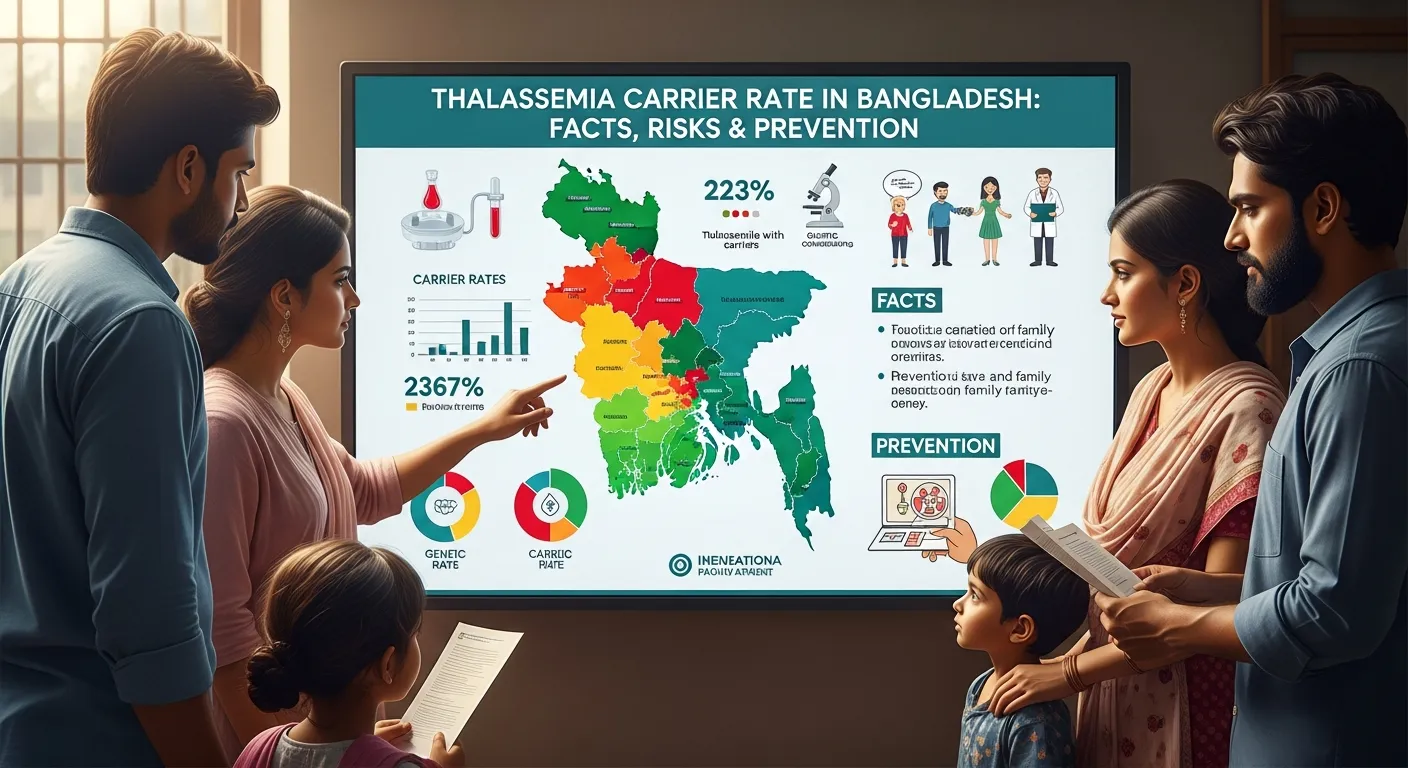
The thalassemia carrier rate in Bangladesh remains a significant public health concern, making early awareness and screening essential. Understanding regional statistics, inheritance patterns, and carrier screening options helps individuals and couples make informed reproductive decisions. Expanding education and access to genetic counseling can reduce the number of children born with severe thalassemia.
The thalassemia carrier rate in Bangladesh ranges from 4% to 12% depending on the region and ethnic group, making it one of the most significant public health challenges in the country. Low awareness, limited screening access, and high rates of consanguineous marriage drive the burden. Early carrier screening and genetic counseling are the most effective tools for prevention.
Bangladesh carries one of the highest thalassemia carrier rates in South Asia—yet the condition remains poorly understood by the general public. Millions of people across the country carry the thalassemia gene without knowing it. They feel healthy. They have no visible symptoms. And without a simple blood test, they have no way to know the risk they may pass on to their children.
This silence has consequences. Two carriers who marry face a 25% chance with each pregnancy of having a child with thalassemia major—the severe form that requires lifelong blood transfusions just to survive. That 25% risk applies every time, regardless of how many children they have already had.
Understanding the thalassemia carrier rate in Bangladesh matters because the country sits at a critical moment. Screening technology is accessible. Genetic counseling programs are expanding. But public awareness still lags far behind the scale of the problem. This post breaks down the Bangladesh thalassemia statistics, explains the genetic and social factors driving the burden, and outlines what prevention and management actually look like in practice.
What Is Thalassemia, and Why Does Carrier Status Matter?
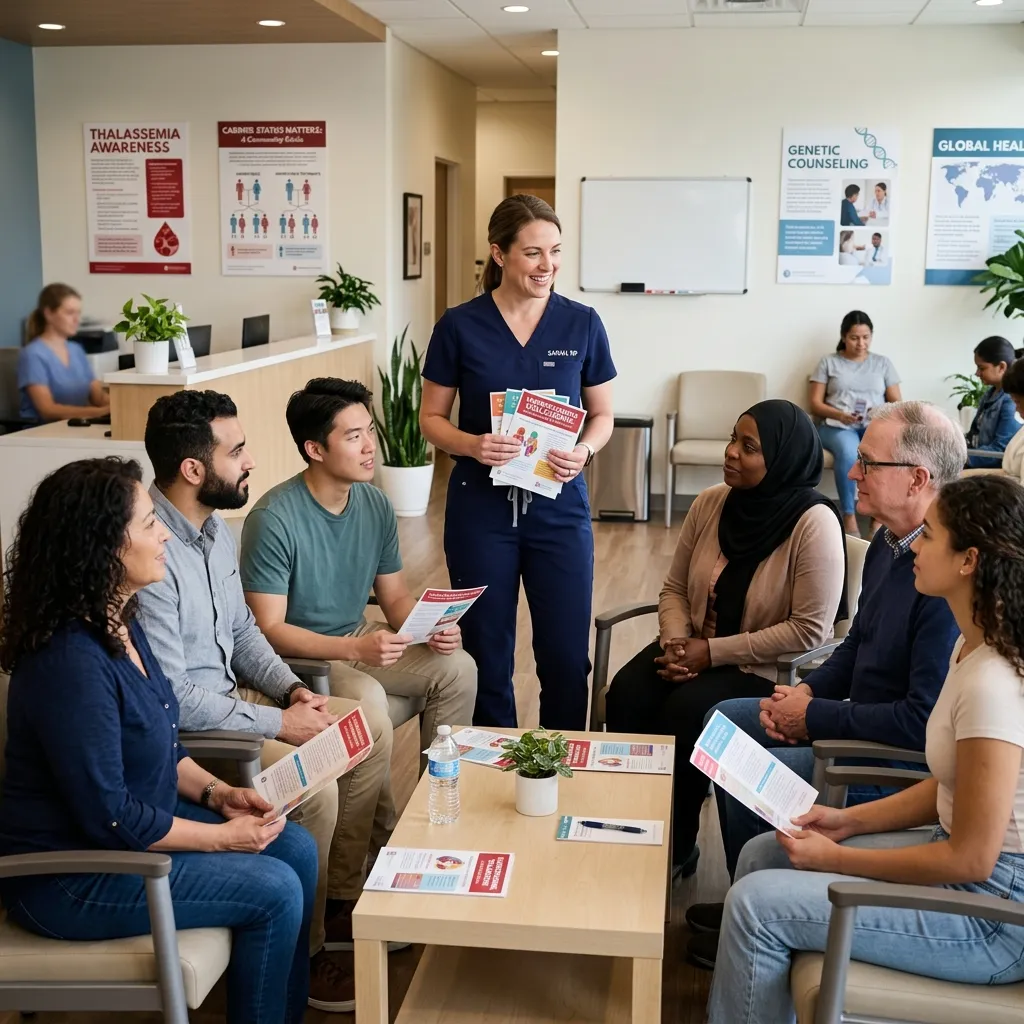 Thalassemia is an inherited blood disorder that reduces the body’s ability to produce functional hemoglobin—the protein in red blood cells that carries oxygen. When hemoglobin production falls short, red blood cells become smaller and less effective, leading to chronic anemia.
The disorder comes in two main types. Alpha thalassemia affects the alpha-globin chains of hemoglobin; beta thalassemia affects the beta-globin chains. Beta thalassemia is the dominant concern across Bangladesh and the wider South Asian region.
Severity varies across three levels:
- Thalassemia minor (trait): Usually causes mild or no symptoms. Most carriers live entirely normal lives and may never know they carry the gene.
- Thalassemia intermedia: Moderate anemia that may require occasional blood transfusions.
- Thalassemia major: The most severe form, requiring regular transfusions and daily iron chelation therapy to survive.
The inheritance pattern is what makes carrier screening so urgent. Thalassemia follows a recessive inheritance model—a child develops the severe form only when both parents contribute the gene. Since most carriers show no symptoms whatsoever, the gene travels silently through families and communities for generations. Without carrier screening Bangladesh programs in place, that cycle continues unchecked.
What Is the Thalassemia Carrier Rate in Bangladesh?
The thalassemia carrier rate in Bangladesh is substantial. Published estimates place the national carrier rate between 4% and 12%, with significant variation across regions, ethnic communities, and demographic groups. Bangladesh thalassemia statistics suggest that roughly 10,000 to 15,000 children are born with thalassemia-related disorders in the country each year, though the actual figure may be higher due to underreporting and misdiagnosis.
To put these numbers in perspective: if 4% to 12% of a population of over 170 million people carry the gene, Bangladesh could have anywhere from 6.8 million to more than 20 million carriers. Even at the conservative end, that is an enormous at-risk population.
How Does Thalassemia Prevalence in Bangladesh Vary by Region?
Thalassemia prevalence in Bangladesh does not distribute evenly across the country. Certain regions show notably higher carrier rates, which reflects the influence of local genetic ancestry, ethnic composition, and marriage patterns.
Communities in the Chittagong Hill Tracts—home to several distinct ethnic minority groups including the Chakma, Marma, and Tripura peoples—report particularly high thalassemia carrier rates, in some cases exceeding 12%. These communities have distinct genetic histories that predispose them to higher prevalence of hemoglobin disorders.
Urban areas such as Dhaka and Chittagong city show lower average rates, partly due to greater ethnic mixing over generations, though this also means carriers from different communities are present and may marry without knowing their combined risk.
For a broader regional comparison, our guide to thalassemia prevalence in South Asia places Bangladesh within the context of its neighbors—India, Pakistan, and beyond.
Which Demographic Factors Drive Higher Carrier Rates?
Several demographic factors amplify the thalassemia carrier rate in Bangladesh:
- Consanguineous marriages: Marriage between close blood relatives—particularly first cousins—remains relatively common in parts of Bangladesh. When relatives share genes, the probability that both partners carry the same recessive thalassemia gene rises sharply.
- Rural populations: Rural communities tend to marry within smaller gene pools, increasing the likelihood that carrier couples will form.
- Ethnic minority groups: As noted above, specific ethnic communities carry genetically elevated baseline carrier rates.
- Young marriage age: Early marriage, still practiced in some regions, means couples begin families before most have access to health education or pre-conception testing.
What Genetic Factors and Inheritance Patterns Explain the High Prevalence?
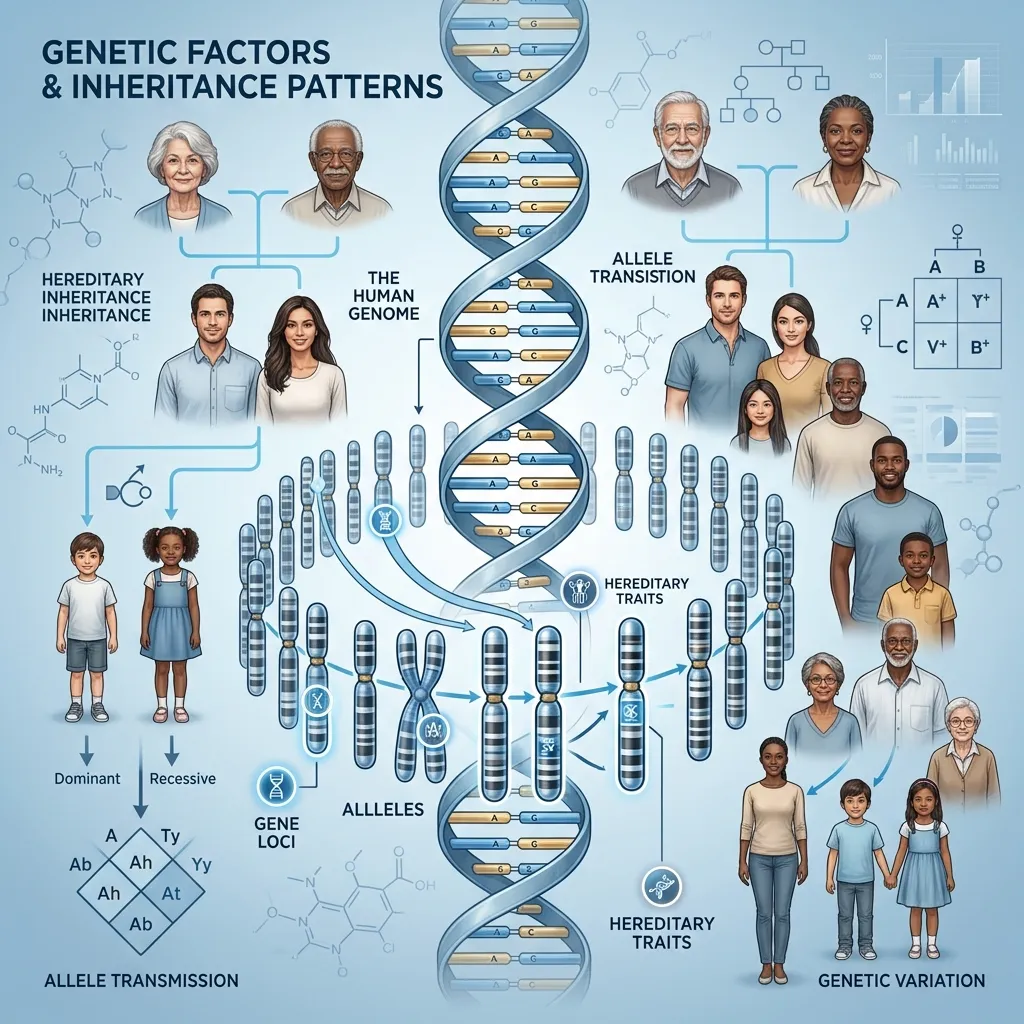 Thalassemia is a recessive genetic disorder, meaning a single copy of the altered gene (carrier status) typically causes no meaningful health problems. Two copies—one from each parent—produce the disease.
The most common beta thalassemia mutations found in Bangladesh include IVS1-5 (G>C), IVS1-1 (G>T), and codon 41/42 deletion, patterns shared with neighboring South Asian populations. These mutations arose thousands of years ago and persisted because, in areas historically affected by malaria, carrying one copy of the thalassemia gene may have offered some protection against severe malaria—a phenomenon known as heterozygote advantage.
This evolutionary history explains why thalassemia concentrates along the “thalassemia belt”—a broad geographic band stretching from the Mediterranean through the Middle East and across South Asia into Southeast Asia. Bangladesh sits squarely within this belt.
Why Is Thalassemia Carrier Screening in Bangladesh So Important?
Thalassemia carrier screening Bangladesh programs represent the single most powerful tool for reducing new severe cases. A straightforward two-step process—a Complete Blood Count (CBC) followed by hemoglobin electrophoresis or High-Performance Liquid Chromatography (HPLC)—can confirm carrier status reliably and affordably.
The argument for screening is well-supported by international evidence. Cyprus and parts of Italy reduced severe thalassemia births by more than 90% through mandatory premarital carrier screening combined with public education, according to the Centers for Disease Control and Prevention. Bangladesh has the same opportunity. The science is available. The tests are accessible. What is missing is the scale of the program.
What Are the Benefits of Thalassemia Screening Programs in Bangladesh?
Expanded thalassemia carrier screening Bangladesh initiatives would deliver benefits at multiple levels:
- Individual: Carriers learn their status and can make informed decisions about family planning before a severe birth occurs.
- Family: Couples who both test positive gain access to genetic counseling, prenatal diagnosis options, and psychological support.
- Healthcare system: Preventing thalassemia major reduces the long-term demand for blood transfusions, chelation therapy, and specialist care—resources that are already stretched thin in Bangladesh.
- Societal: A reduction in severe births eases the emotional and economic burden on families and communities.
For a deeper look at how screening fits into a broader prevention framework, explore our guide to thalassemia carrier screening test procedures.
What Screening Initiatives Currently Exist in Bangladesh?
Bangladesh has made progress, though coverage remains far from universal. The Bangladesh Thalassemia Foundation and several public hospitals in Dhaka offer carrier testing services. Government-sponsored pilot programs have introduced premarital screening in selected upazila health complexes. Non-governmental organizations have run community awareness drives in high-prevalence areas, particularly among ethnic minority communities.
However, these efforts have not yet reached the majority of the at-risk population. Screening is largely voluntary, urban-centered, and dependent on individuals knowing enough about thalassemia to seek testing proactively. In the absence of a nationally mandated program, the responsibility falls on healthcare providers and community organizations to close the gap.
How Does Thalassemia Affect Individuals, Families, and the Healthcare System?
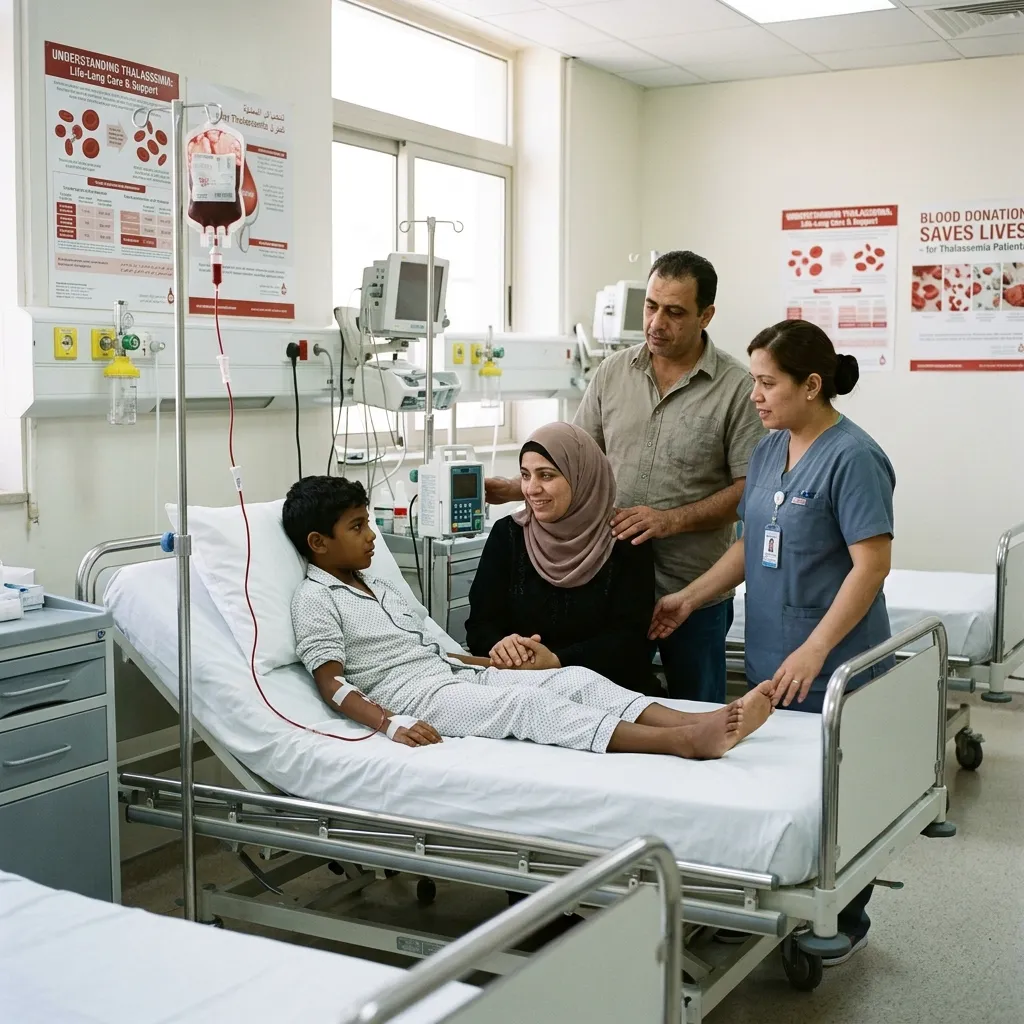 The burden of thalassemia in Bangladesh extends well beyond clinical statistics. For families managing a child with thalassemia major, the day-to-day reality is demanding. Children typically need blood transfusions every two to four weeks. Each transfusion session may require a full day at a hospital, often far from home. The cumulative cost of treatment—transfusions, chelation drugs, travel, and lost income—can be devastating for households already living with limited financial resources.
Children with thalassemia major also face heightened rates of fatigue, growth delays, and psychological distress. Parents experience chronic stress, and siblings may receive less attention and support. Understanding early warning signs is essential—our resource on thalassemia symptoms in children details what families should watch for.
At the healthcare system level, thalassemia major demands sustained investment in blood banking, laboratory services, and specialist expertise. Blood shortages are a recurring problem, and safe transfusion services outside major urban centers remain limited. The long-term cost of treating a largely preventable condition strains a healthcare system already managing multiple public health priorities.
What Are the Key Prevention and Management Strategies?
How Does Pre-Marital and Pre-Conception Counseling Reduce Thalassemia Risk?
Pre-marital carrier screening, followed by genetic counseling for couples who both test positive, is the most effective prevention strategy available. When both partners know their carrier status before marriage or before starting a family, they can make genuinely informed reproductive choices.
Genetic counseling clarifies the 25% risk per pregnancy, explains options such as prenatal diagnosis, and addresses the emotional dimensions of the decision. Our detailed guide on genetic counseling for thalassemia walks through what this process involves and what couples can expect.
What Role Does Antenatal Screening Play?
For couples who discover their carrier status during pregnancy, antenatal screening offers the option of prenatal diagnosis through chorionic villus sampling (CVS) or amniocentesis. These tests can determine whether the fetus is affected. While prenatal diagnosis raises complex ethical questions that each family must navigate according to their own values, access to the information is considered fundamental to informed reproductive choice by major international health bodies, including the World Health Organization.
What Treatment Options Exist for Thalassemia Patients in Bangladesh?
For patients already living with thalassemia major, effective management focuses on:
- Regular blood transfusions: Maintain hemoglobin levels and allow normal development.
- Iron chelation therapy: Removes excess iron deposited by transfusions, protecting the heart, liver, and endocrine system.
- Dietary support: A folate-rich diet supports red blood cell production; iron-rich foods are generally limited.
- Stem cell transplantation: Currently available at a small number of specialized centers in Bangladesh and abroad; this procedure offers the possibility of a cure for suitable candidates.
For a full overview of treatment options available within Bangladesh, see our dedicated guide to thalassemia treatment in Bangladesh.
How Are Public Awareness and Education Addressing Thalassemia Prevalence in Bangladesh?
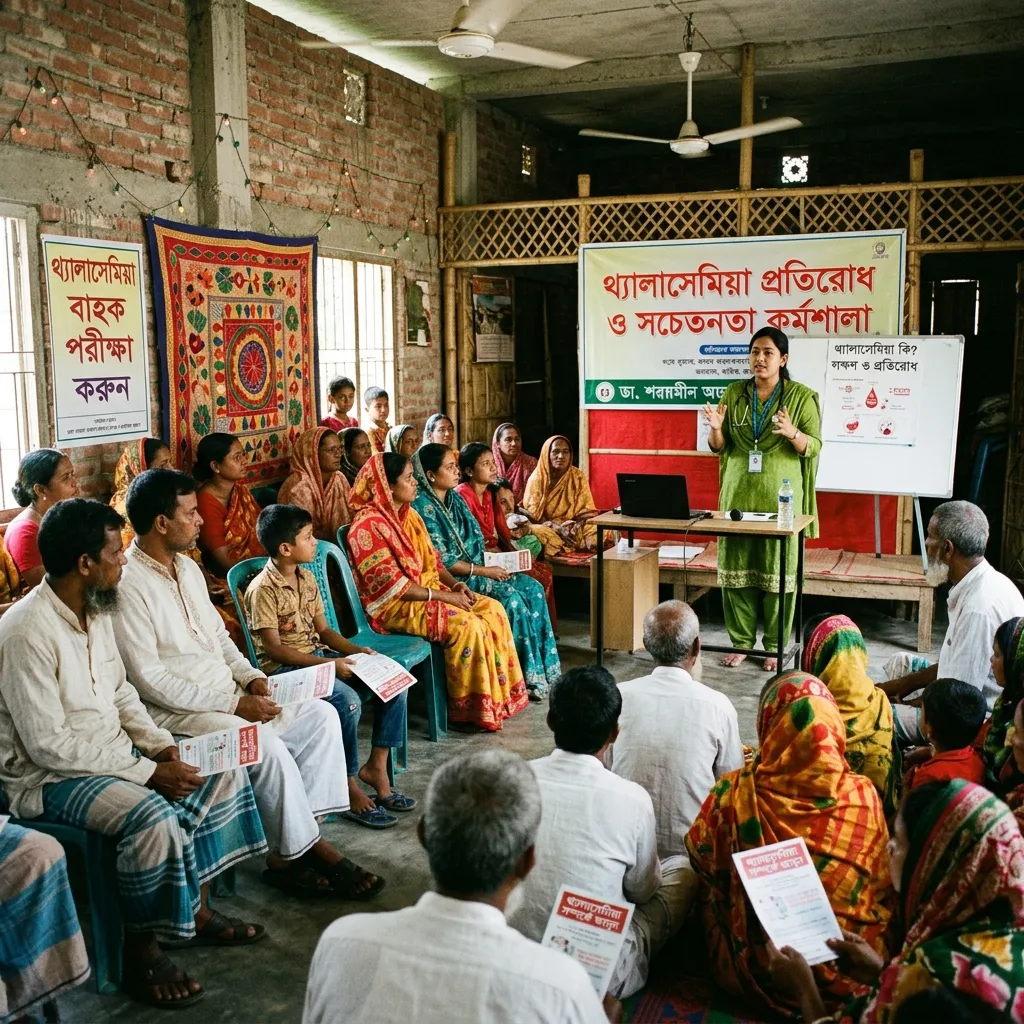 Low public awareness is the root cause behind the persistently high thalassemia prevalence in Bangladesh. Many Bangladeshis have never heard of the condition before a diagnosis affects their own family. Changing this requires sustained, coordinated education across multiple channels.
What Does Effective Community Engagement Look Like?
Community engagement programs that reach people through trusted local channels—mosques, community health workers, school teachers, and local leaders—are more effective than top-down public announcements alone. When a respected figure from within a community explains why screening matters and normalizes the act of getting tested, more people act on the information.
Awareness drives tied to key health observances, including World Thalassemia Day on May 8, create annual opportunities to boost the visibility of thalassemia carrier rate in Bangladesh data and push screening into the mainstream.
What Is the Role of Healthcare Professionals?
Primary care physicians and community health workers are frequently the first point of contact for families with potential thalassemia exposure. Their ability to recognize early symptoms, order the correct tests, and avoid the common misdiagnosis of iron deficiency anemia is critical. Provider education programs that specifically address thalassemia screening protocols can prevent the harmful practice of prescribing iron supplements to patients who are actually carriers or affected individuals.
How Are Government and NGO Initiatives Driving Change?
The Bangladesh government has included thalassemia in its national non-communicable disease strategy, and the National Institute of Cancer Research and Hospital has a dedicated thalassemia unit. NGOs such as the Bangladesh Thalassemia Foundation run patient support programs and advocacy campaigns. International organizations, including the Thalassemia International Federation, provide technical guidance and best-practice frameworks that Bangladeshi health planners can adapt to local conditions.
What Challenges and Future Directions Shape Thalassemia Prevention in Bangladesh?
Despite meaningful progress, serious challenges remain. Funding for screening programs is inconsistent. Infrastructure outside major cities is limited. Cultural stigma around genetic conditions—particularly fears that a diagnosis will affect marriageability—discourages some families from seeking testing. And persistent misdiagnosis continues to delay appropriate care.
The path forward involves several key priorities:
- National screening policy: Bangladesh would benefit from a nationally mandated premarital screening framework, similar to the models that proved transformative in Cyprus and parts of the Mediterranean.
- Expanded laboratory capacity: Increasing the availability of hemoglobin electrophoresis and HPLC testing outside Dhaka makes screening accessible to rural populations.
- Digital health tools: Mobile health platforms and telemedicine can extend genetic counseling and awareness education to communities far from specialist centers.
- Research investment: Bangladesh-specific epidemiological data on the thalassemia carrier rate in Bangladesh remains incomplete. Stronger surveillance systems would improve planning and resource allocation.
Knowledge Is the Most Effective Prevention Tool Available
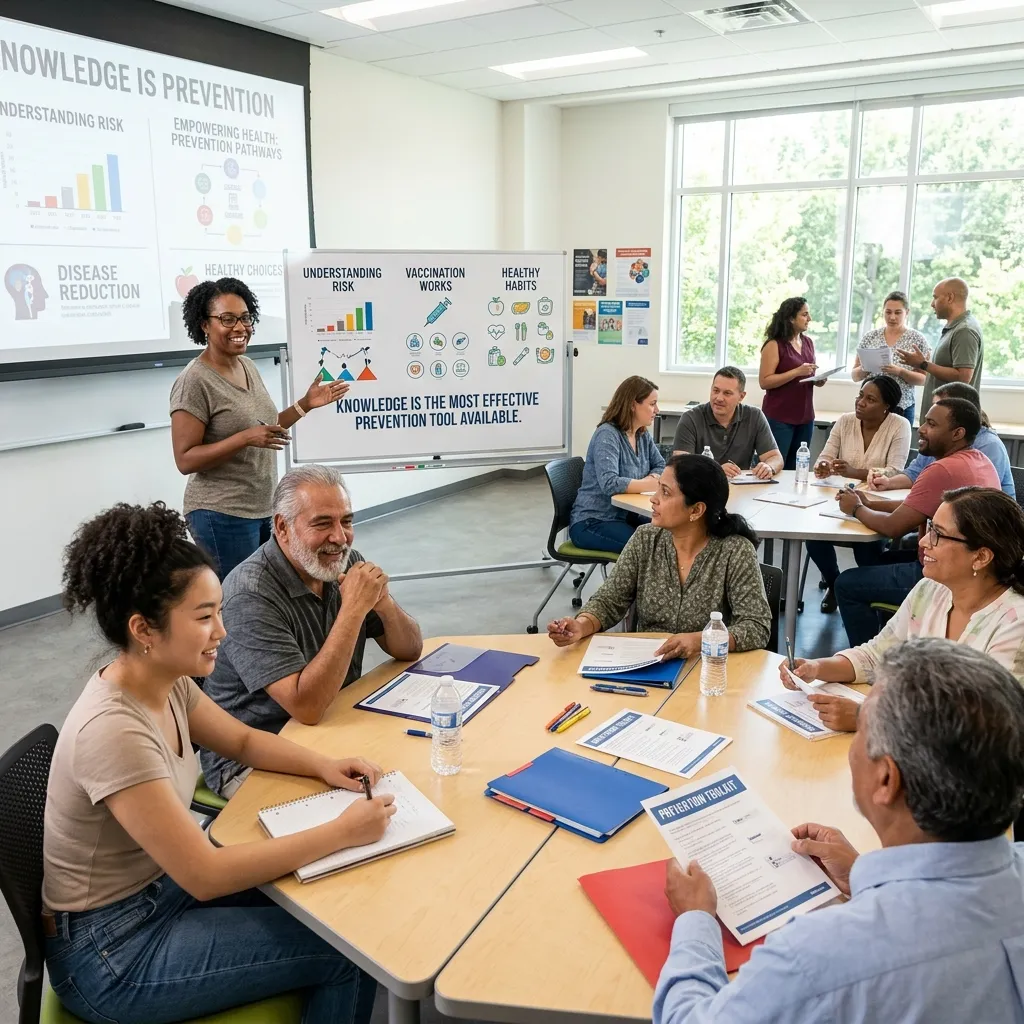 The thalassemia carrier rate in Bangladesh represents a serious but solvable public health challenge. The disorder is common, the burden on families is heavy, and the cost to the healthcare system is substantial—yet severe cases are largely preventable with tools that already exist.
The global evidence is clear: countries that invest in carrier screening and public education dramatically reduce new cases of thalassemia major within a generation. Bangladesh has the opportunity to follow that path. What it requires is broader awareness, stronger policy, and easier access to testing.
If you have a family history of anemia or blood disorders, talk to your doctor about a Complete Blood Count and hemoglobin electrophoresis. Encourage anyone planning to start a family to get tested. And for those supporting awareness efforts in Bangladesh, trusted resources from the World Health Organization and the Thalassemia International Federation offer frameworks and tools to guide local initiatives. Awareness saves lives—and in Bangladesh, the need has never been more urgent.
Conclusion
Addressing the thalassemia carrier rate in Bangladesh requires a combination of public awareness, accessible carrier screening, and genetic counseling. Early detection empowers individuals and families to make informed choices while supporting national efforts to reduce the burden of this inherited blood disorder. Continued education and preventive strategies are key to creating a healthier future for generations to come.
Frequently Asked Questions
1. What is the thalassemia carrier rate in Bangladesh?
The thalassemia carrier rate in Bangladesh ranges from approximately 4% to 12%, depending on the region and ethnic group studied. Bangladesh thalassemia statistics suggest the country may have between 6.8 million and 20 million carriers, making thalassemia a significant national public health concern.
2. What does it mean to be a thalassemia carrier in Bangladesh?
Being a thalassemia carrier means carrying one copy of the thalassemia gene. Most carriers in Bangladesh experience no symptoms and live entirely normal lives. The risk arises when two carriers have children together—each pregnancy then carries a 25% chance of producing a child with thalassemia major.
3. Which regions in Bangladesh have the highest thalassemia carrier rates?
Thalassemia prevalence in Bangladesh is highest among ethnic minority communities in the Chittagong Hill Tracts, including the Chakma, Marma, and Tripura peoples, where carrier rates can exceed 12%. Urban areas generally show lower average rates, though carriers are present across the entire country.
4. How is thalassemia carrier screening done in Bangladesh?
Thalassemia carrier screening Bangladesh programs use a two-step process: a Complete Blood Count (CBC) to detect small red blood cells, followed by hemoglobin electrophoresis or HPLC to confirm carrier status and identify the specific type of thalassemia. Both tests are available at major hospitals and thalassemia centers in Dhaka and other cities.
5. Why is thalassemia often misdiagnosed in Bangladesh?
Thalassemia is frequently confused with iron deficiency anemia in Bangladesh because both conditions cause low hemoglobin and small red blood cells. The critical difference is that thalassemia carriers often have normal or elevated iron levels. Prescribing iron supplements to a thalassemia patient can cause dangerous iron overload and organ damage.
6. Can thalassemia major be prevented in Bangladesh?
Yes. Thalassemia major can be largely prevented through premarital and pre-conception carrier screening, combined with genetic counseling for at-risk couples. Countries that have implemented mandatory screening programs have reduced severe thalassemia births by more than 90%, according to the Centers for Disease Control and Prevention.
7. What treatment options are available for thalassemia patients in Bangladesh?
Treatment for thalassemia major in Bangladesh includes regular blood transfusions, iron chelation therapy, and nutritional support. Stem cell transplantation, available at a limited number of specialized centers, offers a potential cure for eligible patients. Gene therapy remains in development globally and is not yet widely accessible in Bangladesh.
8. What role does consanguineous marriage play in Bangladesh’s thalassemia carrier rate?
Consanguineous marriage—particularly between first cousins—increases the probability that both partners carry the same recessive thalassemia gene. When two carriers have children, each pregnancy carries a 25% risk of thalassemia major. This marriage pattern contributes meaningfully to the elevated thalassemia carrier rate in Bangladesh.
9. What government programs address thalassemia in Bangladesh?
Bangladesh has included thalassemia in its national non-communicable disease strategy. The National Institute of Cancer Research and Hospital operates a dedicated thalassemia unit in Dhaka. Pilot premarital screening programs have been introduced in select upazila health complexes, though a nationally mandated program does not yet exist.
10. Who should get tested for thalassemia carrier status in Bangladesh?
Anyone with a family history of thalassemia or unexplained chronic anemia should get tested. Couples planning to marry or start a family—particularly those from high-prevalence communities or regions—should request a CBC and hemoglobin electrophoresis. Early testing before pregnancy offers the widest range of options for informed decision-making.
