



A thalassemia carrier screening test identifies whether a person carries genes for alpha or beta thalassemia. It helps assess the risk of passing the disorder to children and supports early genetic counseling and preventive healthcare decisions.
A thalassemia carrier screening test identifies if you carry genes for this inherited blood disorder, informing both family planning and personal health. Combining this screening with a long-term blood monitoring plan helps track hemoglobin and iron levels, enabling doctors to prevent organ damage, tailor treatments, and maintain optimal health outcomes over time.
A routine checkup often involves a standard blood draw, but standard tests do not always reveal the complete picture of your genetic health. For individuals planning a family or experiencing unexplained fatigue, understanding genetic predispositions is incredibly important. A thalassemia carrier screening test serves as a critical diagnostic tool that identifies inherited hemoglobin abnormalities long before severe symptoms emerge.
Once a diagnosis or carrier status is established, medical professionals do not simply send patients on their way. Managing chronic blood conditions requires a sustained, strategic approach to track how the body produces and maintains red blood cells. Consistent blood monitoring ensures that doctors can catch early warning signs of complications, from severe anemia to dangerous iron accumulation in major organs.
This guide explores how a proactive approach to blood health transforms patient outcomes. You will discover exactly how to structure a long-term blood monitoring plan, what specific biomarkers your doctor needs to track, and how modern technology makes this process easier than ever. By integrating a thalassemia carrier screening test with a comprehensive health strategy, patients and carriers can take decisive control over their long-term wellness.
What are the key components of a comprehensive long-term blood monitoring plan?
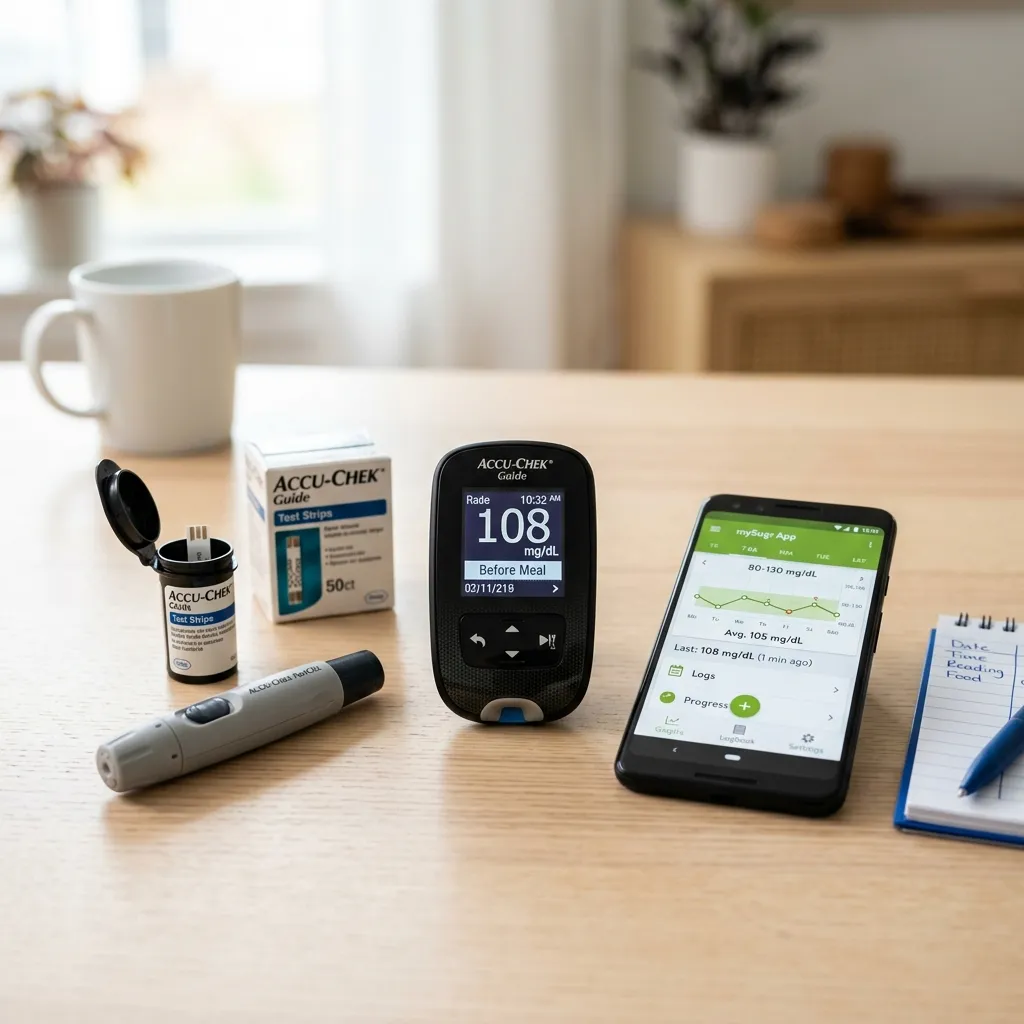 A well-structured blood monitoring plan removes the guesswork from chronic disease management. Doctors rely on specific, scheduled metrics to evaluate how well a patient’s body functions over weeks, months, and years.
How do doctors identify specific biomarkers for monitoring?
Medical providers customize blood tests based on the patient’s primary diagnosis and genetic background. For individuals who have taken a thalassemia carrier screening test, doctors prioritize tracking the complete blood count (CBC), specifically looking at the mean corpuscular volume (MCV) and hemoglobin levels. According to the Centers for Disease Control and Prevention (2023), identifying these specific biomarkers allows hematologists to differentiate between iron deficiency anemia and thalassemia traits.
What is the ideal frequency and scheduling of blood tests?
Testing frequency depends entirely on the severity of the condition and the patient’s current treatment phase. Patients undergoing active treatments, such as blood transfusions, may require testing every two to four weeks. Conversely, individuals who simply carry a genetic trait might only need annual evaluations. Establishing a strict calendar for these draws ensures that healthcare providers receive an uninterrupted stream of data, preventing sudden health crises.
How do medical professionals interpret blood test results effectively?
Interpreting results involves comparing current biomarker levels against both the general population’s healthy range and the patient’s historical baseline. A slight drop in hemoglobin might be normal for a patient with a thalassemia trait but alarming for someone without underlying blood disorders. Hematologists use software and historical charts to spot long-term trends, ensuring that any intervention occurs well before the patient experiences physical symptoms.
What technology and tools enhance long-term blood monitoring?
Modern medicine has moved far beyond the traditional laboratory setting. Innovative technologies empower patients to track their blood health from the comfort of their homes.
How do wearable devices and at-home testing kits support blood health?
Advancements in medical technology now allow patients to monitor certain blood parameters without visiting a clinic. At-home testing kits for ferritin and vitamin levels provide immediate insights into a patient’s nutritional status. Wearable devices, while not directly drawing blood, track oxygen saturation and heart rate. Choose wearable continuous oxygen monitors if nighttime hypoxia and severe fatigue matter more than simply tracking daytime heart rates.
How do digital health platforms optimize data tracking?
Digital health platforms consolidate years of blood test results into easily readable dashboards. These platforms securely store data from every thalassemia carrier screening test, CBC, and lipid panel a patient undergoes. By visualizing this data on graphs, patients can clearly see how dietary changes or new medications impact their biomarkers over time, fostering a deeper understanding of their personal health journey.
What is the future of artificial intelligence in blood monitoring?
Artificial intelligence systems analyze massive datasets to predict health outcomes based on subtle changes in blood work. AI algorithms can identify microscopic patterns in red blood cell distribution that human eyes might miss. According to the World Health Organization (2024), predictive AI models will soon assist hematologists in forecasting severe anemic episodes weeks before they happen, allowing for preemptive adjustments to treatment plans.
How do special conditions require specific blood monitoring plans?
Different chronic illnesses place unique demands on the human body. Consequently, long-term blood monitoring plans must be precisely calibrated to the specific condition a patient faces.
What biomarkers matter most for diabetes management?
For patients managing diabetes, glycemic control is the primary focus. Doctors monitor Hemoglobin A1c (HbA1c) to measure average blood sugar levels over a three-month period. Consistent tracking of fasting glucose and insulin levels helps endocrinologists adjust medication dosages, preventing severe complications like neuropathy and kidney disease.
How do lipid profiles impact cardiovascular disease surveillance?
Cardiovascular health relies heavily on the balance of cholesterol and inflammatory markers within the bloodstream. A long-term monitoring plan for heart disease includes regular lipid panels tracking LDL, HDL, and triglycerides. Cardiologists also monitor high-sensitivity C-reactive protein (hs-CRP) to gauge inflammation within the blood vessels, indicating the risk of future cardiac events.
How do doctors monitor anemia and blood disorders?
Managing blood disorders like thalassemia requires intense scrutiny of red blood cell production and iron storage. After a patient undergoes a thalassemia carrier screening test, their medical team will establish a strict protocol for tracking overall blood health.
Doctors utilize specific iron level monitoring tests to ensure the body does not accumulate dangerous amounts of iron, a common complication of frequent blood transfusions. Additionally, healthcare providers employ precise hemoglobin level tracking methods to determine exactly when a patient requires their next transfusion or medication adjustment. Understanding the nuances of a thalassemia symptoms guide further helps patients correlate their physical fatigue with their tracked laboratory results.
What inflammatory markers indicate autoimmune disease activity?
Autoimmune diseases, such as lupus or rheumatoid arthritis, cause the immune system to attack healthy tissue. Rheumatologists monitor the erythrocyte sedimentation rate (ESR) and specific autoantibodies to measure current disease activity. Routine tracking helps doctors determine if immunosuppressive therapies are effectively halting the progression of the disease.
How do tumor markers assist in cancer surveillance?
For oncology patients, long-term blood monitoring is critical for detecting cancer recurrence. Oncologists track specific tumor markers, such as CA-125 for ovarian cancer or PSA for prostate cancer. Rising levels of these markers can indicate that a tumor is growing, prompting immediate medical imaging and intervention.
How do you build a personalized long-term blood monitoring plan?
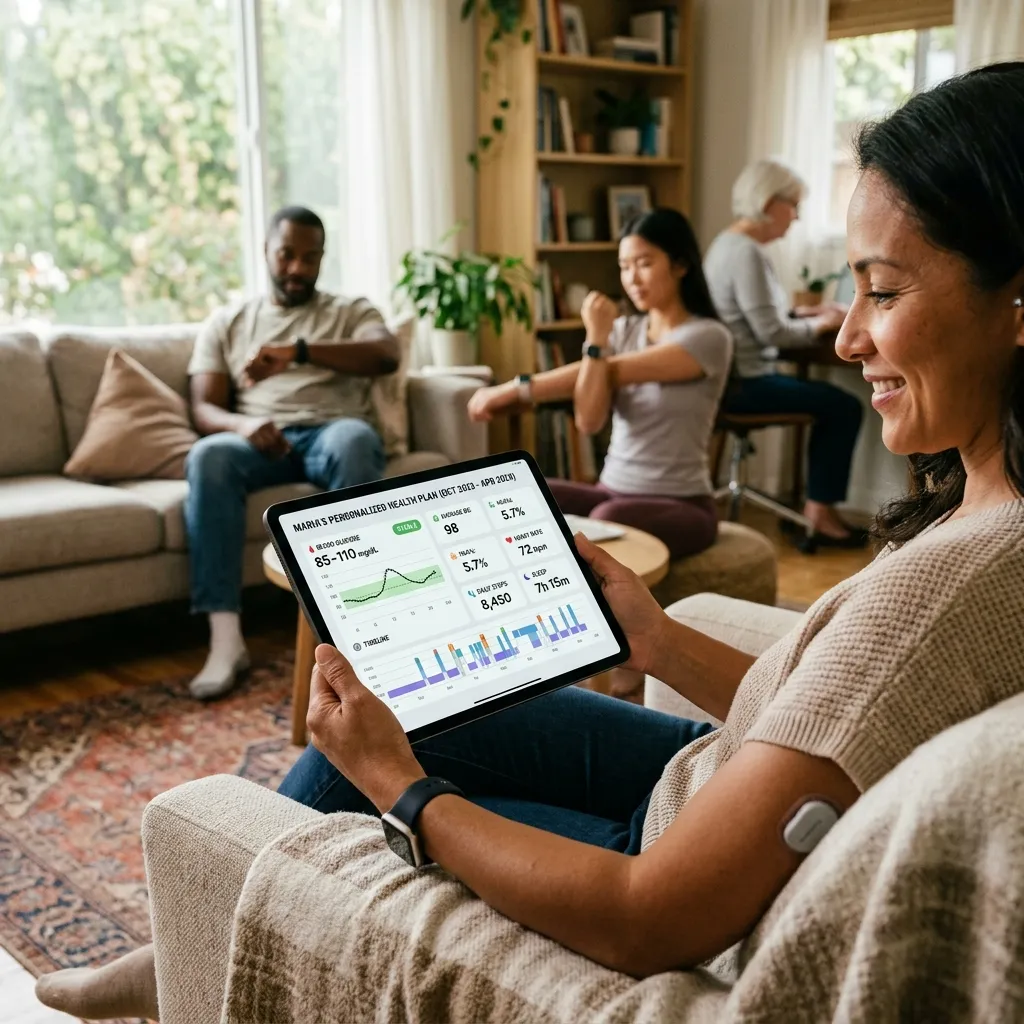 A generic approach to blood monitoring fails to account for individual genetics, lifestyle, and environmental factors. Building a personalized plan requires active collaboration and adaptability.
Why is collaboration with healthcare providers essential?
The foundation of any successful health strategy is the partnership between the patient and their medical team. Discuss the results of your thalassemia carrier screening test thoroughly with a genetic counselor or hematologist. By working closely with specialists, patients ensure that their testing schedule accurately reflects their clinical needs rather than relying on standard, one-size-fits-all medical guidelines.
How do lifestyle factors influence blood test results?
Diet, exercise, and hydration drastically impact what appears on a lab report. For instance, dehydration artificially inflates hemoglobin concentrations, while a diet lacking in vital nutrients leads to suppressed red blood cell production. Adhering to specific lifestyle tips for thalassemia—such as managing intense workouts—ensures that blood tests reflect true physiological states rather than temporary lifestyle disruptions.
When should you adjust the plan based on evolving health needs?
A patient’s physical needs change over time due to aging, pregnancy, or the onset of secondary conditions. A monitoring plan established at age twenty will not serve a patient effectively at age fifty. Healthcare providers must routinely review and update the testing protocol. You can learn more about this adaptive approach by reviewing a personalized thalassemia care overview, which outlines how doctors pivot treatment strategies as a patient’s clinical presentation evolves.
What are the challenges and solutions in long-term blood monitoring?
Maintaining a rigorous schedule of medical appointments and laboratory tests presents significant logistical and emotional hurdles for patients.
How can patients improve adherence to testing schedules?
Missing scheduled blood tests creates dangerous gaps in medical data. Patients often struggle with adherence due to busy work schedules or lack of transportation. Choose local, community-based diagnostic laboratories if travel time matters more than visiting a specialized hospital clinic. Additionally, using calendar alerts and automated clinic reminders significantly reduces the likelihood of missed appointments.
How do individuals manage anxiety related to results?
“Scanxiety,” or the fear of receiving negative medical results, frequently causes patients to delay their necessary blood work. To combat this anxiety, patients should schedule follow-up appointments immediately after their blood draw so they are not waiting in prolonged suspense. Seeking support from mental health professionals who specialize in chronic illness can also help patients process the emotional weight of their thalassemia carrier screening test results.
What steps ensure data privacy and security?
With the rise of digital health platforms, protecting sensitive genetic and medical data is paramount. Patients must use patient portals equipped with two-factor authentication. According to the National Institutes of Health (2023), patients should routinely verify the privacy policies of any third-party applications they use to track their blood work, ensuring their diagnostic history is never sold to unauthorized health marketers.
Why is a holistic approach to health important for blood monitoring?
 Laboratory results represent only a fraction of a patient’s overall well-being. A truly effective health strategy integrates clinical data with comprehensive lifestyle management.
How does blood monitoring integrate with overall wellness strategies?
Blood tests identify nutritional deficiencies and organ strain, but wellness strategies actively correct those issues. If a blood panel reveals low folate levels, integrating targeted dietary changes resolves the issue faster than medication alone. Exploring holistic thalassemia care plans allows patients to see how medical interventions seamlessly combine with alternative therapies and nutritional support to improve daily energy levels.
How do nutrition, exercise, and stress management support blood health?
Diet directly dictates the raw materials available for blood production. Identifying the best foods for thalassemia patients helps individuals maximize safe nutrient absorption while avoiding dangerous iron accumulation. Furthermore, managing cortisol levels through stress reduction techniques prevents inflammation from artificially altering biomarker readings.
For more information on managing your health holistically, visit the Thalassemia International Federation, which provides extensive global resources for patients, or review the Centers for Disease Control and Prevention guidelines regarding safe daily habits for chronic blood conditions.
Next steps for empowering your health through proactive monitoring
Understanding your genetic baseline through a thalassemia carrier screening test is the first crucial step toward taking control of your health. A well-executed long-term blood monitoring plan empowers you and your medical team to anticipate health challenges, adjust treatments proactively, and prevent long-term organ damage.
Continuous engagement in your health management transforms you from a passive recipient of medical care into an active participant. As diagnostic technologies and artificial intelligence continue to evolve, the landscape of blood health will only become more precise and accessible. Schedule a consultation with your primary care provider today to discuss your genetic history, request a thalassemia carrier screening test, and begin building a personalized blood monitoring plan that supports your healthiest future.
Conclusion
A thalassemia carrier screening test plays a crucial role in identifying genetic risks early and supporting informed family planning decisions. When combined with a long-term blood monitoring plan, it helps individuals understand their blood health, prevent complications, and ensure timely medical guidance. Early screening and regular monitoring together provide a strong foundation for effective thalassemia prevention and management.
Frequently Asked Questions
1. What is a thalassemia carrier screening test?
A thalassemia carrier screening test is a specific blood test that evaluates your hemoglobin and DNA to determine if you carry the genetic trait for thalassemia. Carrying the trait usually means you do not have the severe disease, but you can pass the gene to your children.
2. Who should get a thalassemia carrier screening test?
Individuals with a family history of blood disorders, people experiencing unexplained mild anemia, and couples planning a pregnancy should undergo a thalassemia carrier screening test to understand their genetic risks and inform family planning decisions.
3. How much does a long-term blood monitoring plan cost?
The cost of long-term blood monitoring varies significantly based on your health insurance coverage, the specific biomarkers your doctor tracks, and the frequency of the tests. Routine CBC panels are generally inexpensive, whereas specialized genetic tracking or advanced inflammatory marker tests may incur higher out-of-pocket costs.
4. What are the alternatives to frequent needle draws for blood monitoring?
While standard venous blood draws remain the most accurate method for comprehensive testing, alternatives like finger-prick tests for hemoglobin and at-home saliva genetic kits exist for preliminary screening. Additionally, wearable technology increasingly monitors blood oxygen saturation non-invasively.
5. How long does it take to get results from a thalassemia carrier screening test?
Standard complete blood counts return within 24 to 48 hours, but the genetic component of a complete thalassemia carrier screening test typically requires one to two weeks for specialized laboratory processing and interpretation by a geneticist.
6. Is a thalassemia carrier screening test painful?
No, it is a simple blood test. Some people may feel mild discomfort during the needle prick, but the procedure is generally quick and well tolerated.
7. Can a thalassemia carrier have symptoms?
Most carriers do not have symptoms. However, some may experience mild anemia or slightly low hemoglobin levels that are often detected during routine blood tests.
8. What is the difference between a carrier and a patient with thalassemia?
A carrier has one altered gene but usually does not show severe symptoms, while a patient with thalassemia has two affected genes, leading to moderate or severe anemia.
9. Can a thalassemia carrier screening test be done during pregnancy?
Yes, it can be done during pregnancy or even before conception. It helps assess the risk of passing thalassemia to the baby and supports prenatal care decisions.
10. What happens if both parents are carriers of thalassemia?
If both parents are carriers, there is a higher risk of having a child with thalassemia major. Genetic counseling is recommended to understand risks and available options.
