


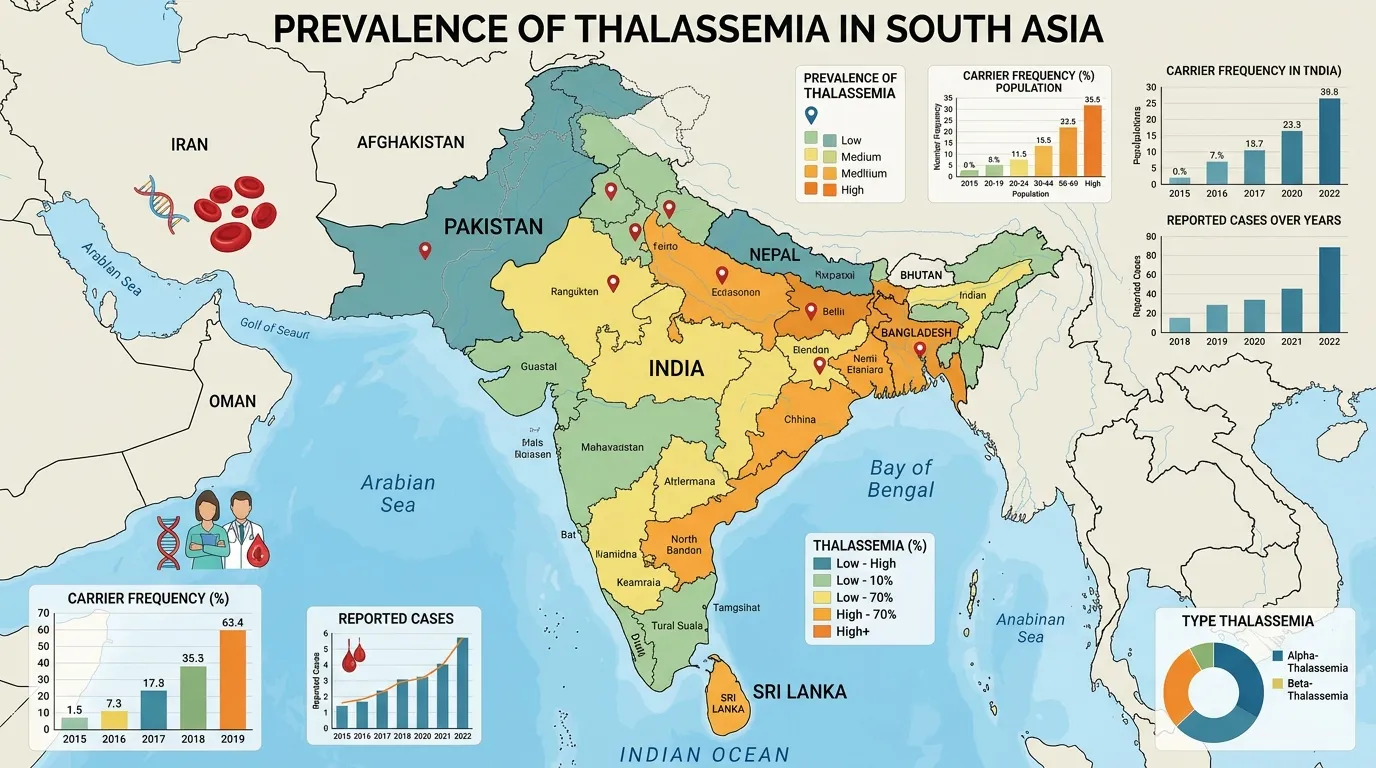
Thalassemia prevalence in South Asia remains among the highest worldwide due to widespread carrier rates and genetic factors. Understanding regional statistics, risk factors, and screening programs supports early diagnosis, informed family planning, improved disease prevention, and better public health outcomes.
South Asia carries one of the world’s heaviest thalassemia burdens, with millions of carriers and thousands of severe births each year, driven by consanguinity, weak screening, and limited awareness.
Thalassemia spreads quietly. A healthy-looking couple marries, starts a family, and only later learns that both partners carry the same gene. This silent transmission has made thalassemia one of the most pressing public health challenges across South Asia—a region home to nearly a quarter of the world’s population.
Understanding thalassemia prevalence in South Asia matters because the disorder is both common and largely preventable. Countries that invest in screening and education see far fewer severe cases. Those that don’t watch families and health systems strain under a burden that early action could have eased.
This guide explains what thalassemia is, where it concentrates across the region, and why South Asia bears such a heavy share of cases. You’ll also find clear data on the thalassemia burden in South Asia, the factors driving high carrier rates, and the efforts working to turn the tide. Whether you are a healthcare worker, a policymaker, or someone with a family history of blood disorders, you’ll come away with practical, actionable knowledge.
What Is Thalassemia and How Is It Inherited?
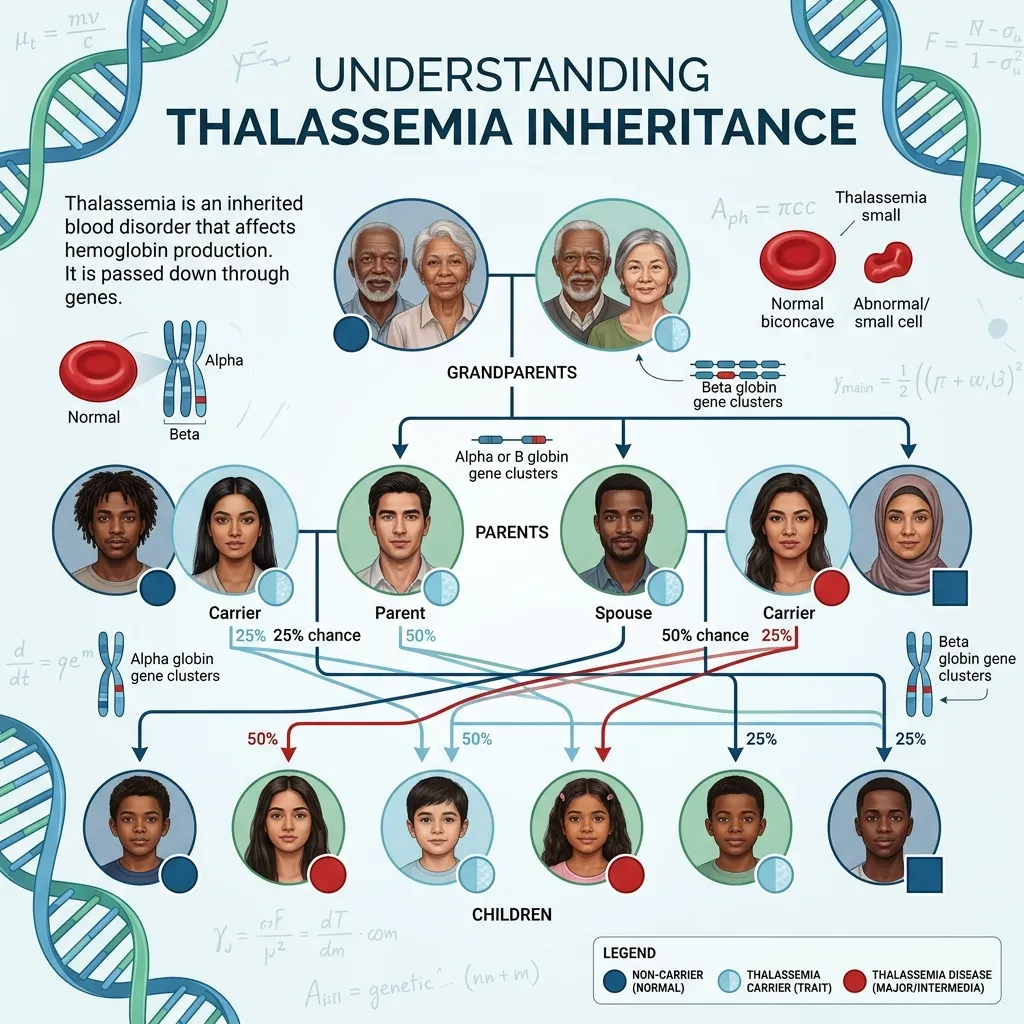 Thalassemia is an inherited blood disorder that reduces the body’s ability to produce healthy hemoglobin, the protein inside red blood cells that carries oxygen. When hemoglobin production falls short, red blood cells become smaller and less effective, leading to chronic anemia.
The condition comes in two main types. Alpha thalassemia affects the alpha-globin chains of hemoglobin, while beta thalassemia affects the beta-globin chains. Beta thalassemia is the more common concern across South Asia.
Severity also varies widely:
- Thalassemia minor (trait): Usually causes mild or no symptoms. Carriers often feel completely healthy.
- Thalassemia intermedia: Produces moderate anemia that may need occasional transfusions.
- Thalassemia major: The most severe form, requiring lifelong blood transfusions and iron chelation therapy to survive.
The inheritance pattern explains why awareness matters so much. Thalassemia is recessive, meaning a child develops the severe form only when both parents pass on the gene. When two carriers have children, each pregnancy carries a 25% chance of a child with thalassemia major. Since carriers usually have no symptoms, families rarely know their risk until a severely affected child is born.
How Common Is Thalassemia in South Asia?
South Asia sits at the center of the global thalassemia map. According to the World Health Organization, about 5% of the world’s population carries a hemoglobin disorder gene, and a large share of these carriers live in South Asia.
The region’s sheer population size magnifies the problem. With India, Pakistan, Bangladesh, and their neighbors home to over 1.8 billion people, even a modest carrier rate translates into tens of millions of carriers and thousands of affected births every year.
These South Asia thalassemia statistics paint a clear picture of a regional health priority that demands coordinated action.
What Is the Thalassemia Carrier Rate in India, Pakistan, and Bangladesh?
The thalassemia prevalence in South Asia varies from country to country, but the burden is significant almost everywhere.
- India: India carries the largest absolute burden in the region. Estimates suggest a beta thalassemia carrier rate of 3–4%, which translates into roughly 30–40 million carriers. Around 10,000–15,000 children are born with thalassemia major each year.
- Pakistan: Pakistan reports a carrier rate of about 5–7%, among the highest in the region. An estimated 5,000 or more children are born with the major form annually, a figure linked closely to high rates of cousin marriage.
- Bangladesh: Carrier rates range between 4% and 12% depending on the region and ethnic group. Awareness remains low, which makes screening efforts especially urgent. You can learn more in our guide to thalassemia awareness in Bangladesh.
- Nepal, Sri Lanka, and Afghanistan: These countries also report meaningful carrier rates, with Sri Lanka recording particularly high prevalence in certain districts.
- Bhutan and the Maldives: Smaller populations mean fewer absolute cases, yet thalassemia still appears as a recognized health concern.
The thalassemia epidemiology South Asia data shows clear clustering by region and ethnicity, which helps direct screening programs to the communities that need them most.
Why Is Thalassemia So Prevalent in South Asia?
Several overlapping factors explain the heavy thalassemia burden in South Asia. Understanding them is the first step toward effective prevention.
How Do Consanguineous Marriages Affect Thalassemia Rates?
Consanguineous marriage—marriage between close blood relatives, often first cousins—is common in several South Asian communities. When relatives share genes, the chance that both partners carry the same recessive thalassemia gene rises sharply.
This single factor helps explain why countries like Pakistan, where cousin marriage is widespread, report some of the highest carrier and birth rates in the region. Genetic counseling becomes especially valuable in these communities, as explained in our resource on genetic counseling for thalassemia.
Does a Lack of Awareness and Screening Drive Prevalence?
Low public knowledge is one of the biggest obstacles. Many people across South Asia have never heard of thalassemia until a diagnosis arrives in their own family. Without awareness, carriers never seek testing, and couples marry without knowing their combined risk.
The absence of widespread premarital and prenatal screening programs allows the gene to pass quietly from one generation to the next. Where screening does exist, it often reaches only a fraction of the at-risk population.
How Do Socioeconomic Factors and Healthcare Access Contribute?
Cost and distance keep many families from getting tested. In rural and low-income areas, screening services may be far away or unaffordable. A simple Complete Blood Count and hemoglobin electrophoresis can confirm carrier status, yet many people never access these basic tests.
Limited healthcare infrastructure also strains treatment. Families managing thalassemia major face the ongoing cost of transfusions and chelation therapy, expenses that push many into financial hardship.
Why Does Geography and Ethnicity Matter?
Thalassemia clusters along what researchers call the “thalassemia belt,” which stretches across the Mediterranean, the Middle East, and South Asia. Within South Asia, certain ethnic groups and geographic regions show notably higher carrier rates. This uneven distribution means national averages can hide pockets of very high prevalence that demand targeted attention.
What Is the Real Burden of Thalassemia on Families and Health Systems?
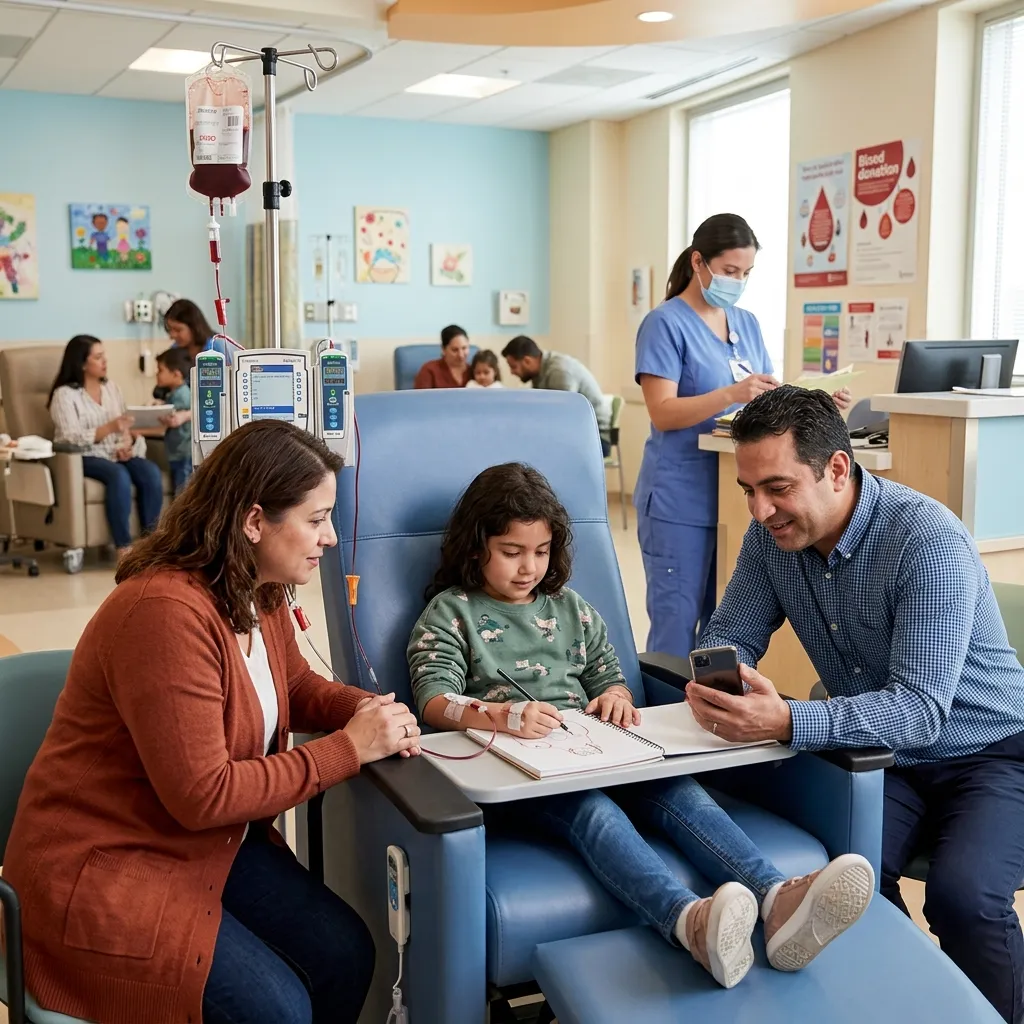 The thalassemia burden in South Asia reaches far beyond individual patients. It touches families, communities, and entire healthcare systems.
How Does Thalassemia Affect Individuals and Families?
For families, the toll is physical, emotional, and financial. Children with thalassemia major need blood transfusions every few weeks and daily iron chelation to prevent organ damage. This routine disrupts schooling, work, and family life.
The emotional strain runs deep. Parents juggle hospital visits, watch their children endure repeated procedures, and carry constant worry about the future. Financially, the costs add up quickly—transfusions, medication, and travel can overwhelm a modest household budget. Recognizing early signs matters, which is why resources on thalassemia symptoms in children help families act sooner.
How Does Thalassemia Strain Healthcare Systems?
Health systems across South Asia bear a heavy load. Thalassemia major depends on a steady, safe blood supply, yet many regions struggle with blood shortages. Each transfusion-dependent patient may need donations every few weeks, placing constant demand on blood banks.
Diagnostic and treatment infrastructure also falls short in many areas. Chelation therapy, complication management, and specialist care require resources that strained public hospitals cannot always provide. The cumulative cost of treating a largely preventable disorder diverts funds from other pressing health needs.
What Efforts Are Reducing Thalassemia in South Asia?
The picture is not all bleak. Across the region, governments, hospitals, and communities are working to cut new cases and improve care.
Do National Screening Programs Work?
Screening is the single most effective prevention tool. Premarital and prenatal carrier screening identifies at-risk couples before a severe birth occurs. The global evidence is striking: Cyprus and parts of Italy reduced severe thalassemia births by more than 90% through mandatory screening paired with public education, according to the Centers for Disease Control and Prevention.
South Asian nations are increasingly adopting similar models, though coverage remains uneven. Expanding these thalassemia prevention programs is key to lasting change.
How Do Awareness Campaigns Make a Difference?
Education turns awareness into action. Effective campaigns reach people where they gather—schools, workplaces, and places of worship.
Several proven approaches include:
- Community education campaigns that spread accurate information through trusted local voices. Our guide to community education campaigns breaks down how to run them well.
- School awareness programs that teach young people about genetic blood disorders before they reach marriageable age. Learn more in our school awareness programs guide.
- Broad public outreach that explains why screening matters, detailed in our post on thalassemia awareness importance.
What Role Does Genetic Counseling Play?
Genetic counseling translates test results into clear choices. A counselor explains inheritance patterns, the 25% risk when both partners are carriers, and the options available. This guidance is especially valuable in communities where consanguineous marriage is common, helping couples make informed decisions before starting a family.
What Advanced Treatments Offer Hope?
The future of thalassemia care looks brighter than ever. Bone marrow and stem cell transplantation can cure some patients, particularly children with a matched donor. Gene therapy has reached regulatory approval in some countries, offering the possibility of a cure for severe forms. While access to these treatments remains limited across South Asia, ongoing research and international collaboration continue to expand what’s possible.
What Challenges Remain, and What Comes Next?
 Despite real progress, significant obstacles remain in reducing thalassemia prevalence in South Asia.
Funding gaps, cultural stigma around genetic conditions, and uneven screening coverage all slow progress. Persistent misdiagnosis—mistaking thalassemia for ordinary iron deficiency anemia—leads to harmful treatment when patients receive unnecessary iron supplements.
The path forward rests on several pillars:
- Stronger policy: Governments can fund screening, support blood banks, and consider mandatory premarital testing, which has dramatically cut severe births elsewhere.
- Technology and AI: Data analytics can help identify high-risk communities, while telemedicine extends expert guidance to rural areas. Next-generation genetic testing is making diagnosis faster and more affordable.
- Continued research: Investment in gene therapy and improved diagnostics promises to reshape care in the years ahead.
Predictive models from thalassemia epidemiology South Asia research help health planners anticipate where cases will concentrate, allowing resources to flow to the communities that need them most.
Conclusion
The thalassemia prevalence in South Asia represents a serious but solvable public health challenge. The disorder is common, costly, and emotionally draining—yet it is also among the most preventable inherited conditions in the world.
The lesson from Cyprus and other success stories is clear: knowledge changes outcomes. When communities understand thalassemia, get screened, and make informed choices, severe cases fall and lives improve. South Asia has the tools to follow this path. What remains is the sustained commitment to use them.
You can be part of that change. If you have a family history of anemia or blood disorders, talk to your doctor about a Complete Blood Count and hemoglobin electrophoresis. Encourage your partner to get tested before starting a family. Support awareness efforts in your community, and explore trusted resources from the World Health Organization and the Thalassemia International Federation. Awareness saves lives—and it starts with you.
