


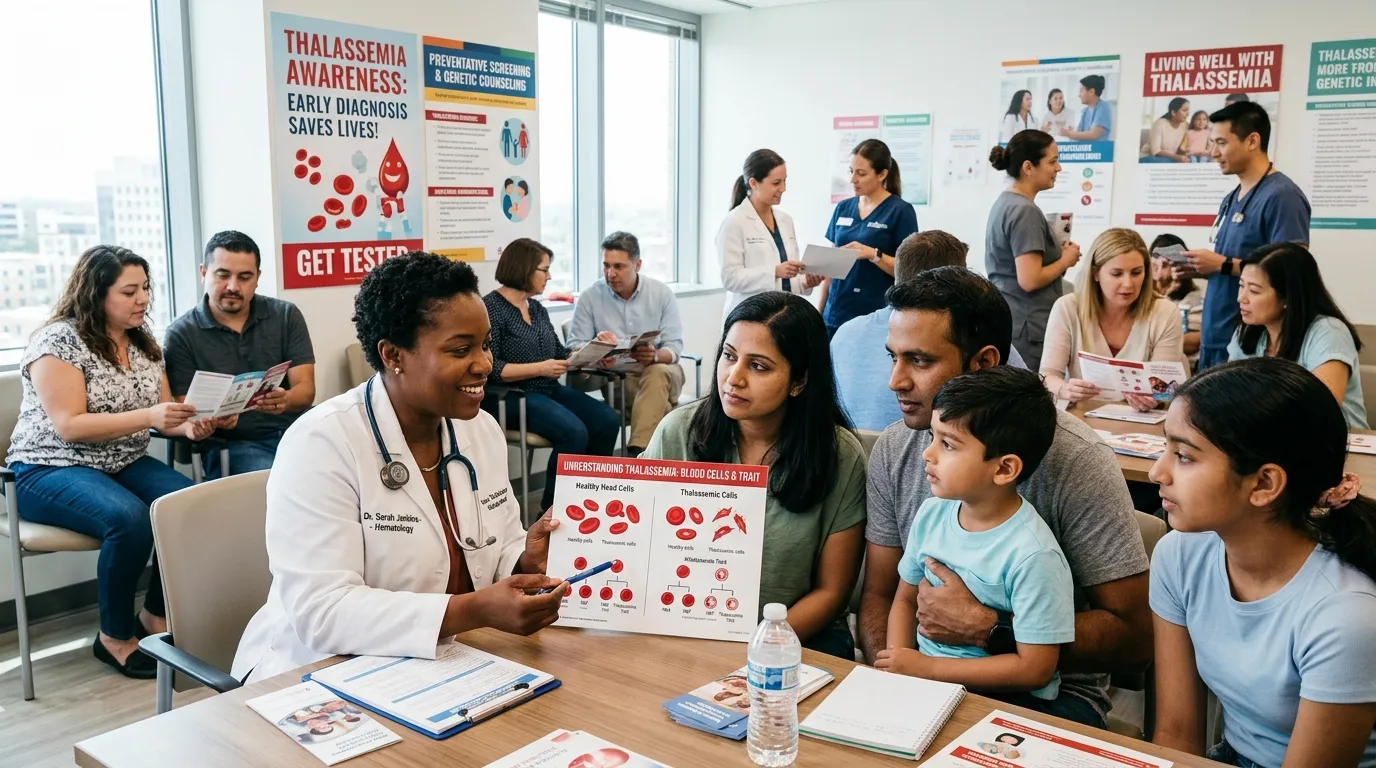
Thalassemia affects millions of families worldwide, yet many people have never heard of it until a diagnosis lands close to home. This gap in public knowledge has real consequences. Carriers marry without knowing their status. Parents miss early warning signs in their children. Patients receive iron supplements that harm rather than help. Each of these problems traces back to one root cause: a lack of awareness.
Understanding the thalassemia awareness importance is the first step toward changing these outcomes. When communities know what thalassemia is, how it spreads through families, and how screening works, the entire picture shifts. Severe cases drop. Diagnoses happen sooner. Patients live longer, fuller lives.
This guide explains why thalassemia awareness matters, the measurable benefits of thalassemia awareness programs, and practical strategies for raising awareness about thalassemia prevention. Whether you are a healthcare worker, a community leader, or someone with a family history of blood disorders, you will find clear, actionable information here.
What Is Thalassemia and Why Does It Matter?
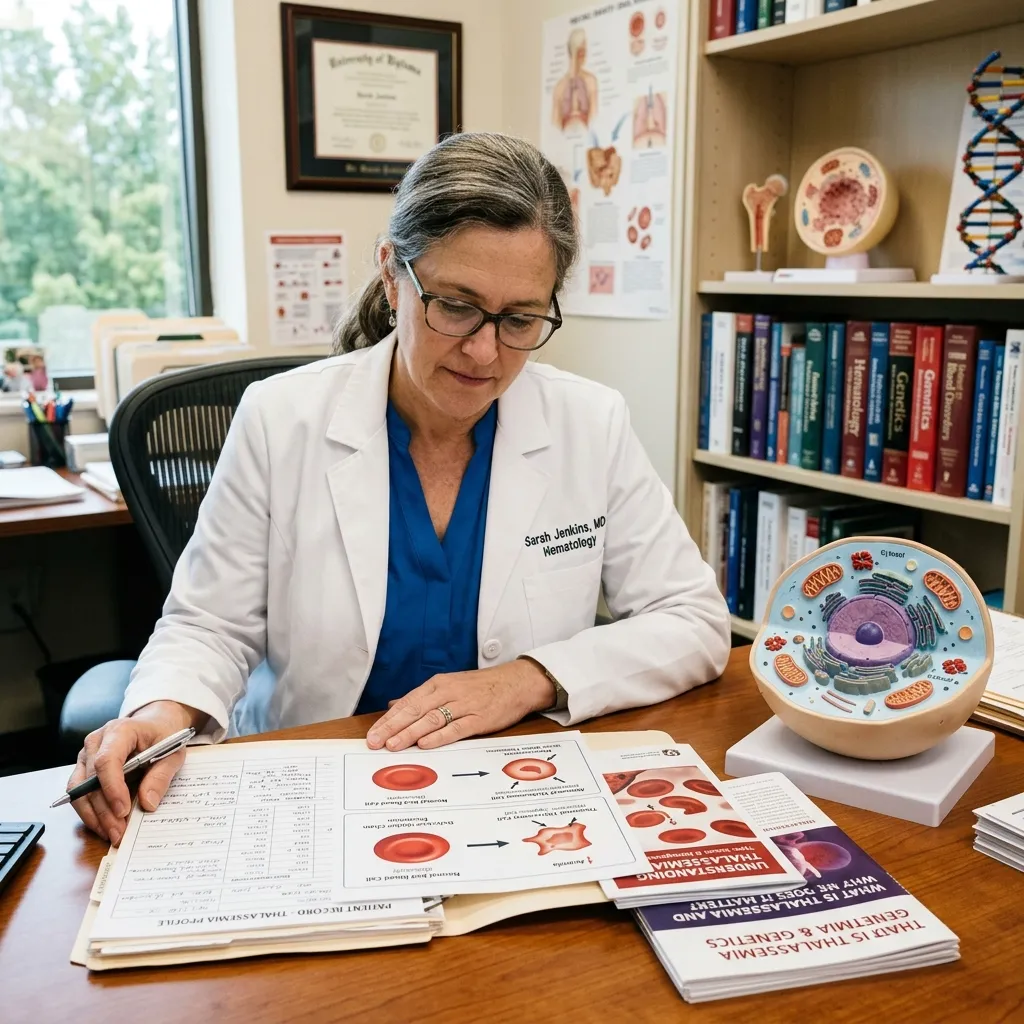 Thalassemia is an inherited blood disorder that reduces the body’s ability to produce healthy hemoglobin, the protein inside red blood cells that carries oxygen. When hemoglobin production falls short, red blood cells become smaller and less effective, leading to chronic anemia.
The condition is grouped by severity. Thalassemia minor, also called the trait, usually causes mild or no symptoms. Thalassemia intermedia produces moderate anemia. Thalassemia major, the most severe form, requires lifelong blood transfusions to survive.
Thalassemia matters because it is both common and preventable. According to the World Health Organization, about 5% of the global population carries a hemoglobin disorder gene. Many of these carriers feel completely healthy and never suspect they hold the gene. That silence is exactly why awareness is so critical—the disorder spreads quietly through generations until a severely affected child is born.
If you want to understand the early warning signs, our guide on mild thalassemia symptoms explains what to watch for in adults and carriers.
The Global Burden: Prevalence and Impact of Thalassemia
Thalassemia places a heavy burden on families and health systems, especially in regions where the carrier rate runs high. The disorder is most prevalent across South Asia, the Mediterranean, the Middle East, and parts of Africa and Southeast Asia.
The impact reaches far beyond the patient. Families managing thalassemia major often face the emotional and financial strain of regular blood transfusions, iron chelation therapy, and frequent hospital visits. Children may miss school. Parents may leave jobs to provide care. Health systems carry the cost of long-term treatment that, in many cases, could have been prevented.
This burden is exactly what makes thalassemia awareness importance so urgent. Countries that invest in awareness and screening see fewer severe births and lower long-term costs. Cyprus and parts of Italy, for example, reduced severe thalassemia births by more than 90% through mandatory screening and education, according to the Centers for Disease Control and Prevention.
Why Thalassemia Awareness Matters: Understanding the Core Issues
Why thalassemia awareness matters comes down to three core problems that awareness directly solves: silent carriers, misdiagnosis, and uninformed family planning.
Silent carriers spread the gene unknowingly. Most people with the thalassemia trait have no symptoms. Without screening, two carriers can marry and have children without ever knowing they each carry the gene. Each pregnancy then carries a 25% chance of a child with thalassemia major.
Misdiagnosis leads to harmful treatment. Thalassemia is often mistaken for iron deficiency anemia because both cause low hemoglobin and small red blood cells. The difference is critical. Giving iron supplements to a thalassemia patient can cause iron overload, which damages the heart, liver, and endocrine glands. Awareness helps patients and doctors avoid this dangerous error.
Late diagnosis worsens outcomes. When parents do not recognize early signs, children can develop serious complications before treatment begins. Awareness empowers families to act on warning signs such as persistent fatigue, pale skin, and slow growth.
These issues explain why thalassemia awareness matters not just for individuals, but for entire communities. Education breaks the cycle of silent transmission.
Benefits of Thalassemia Awareness Programs: From Early Detection to Better Management
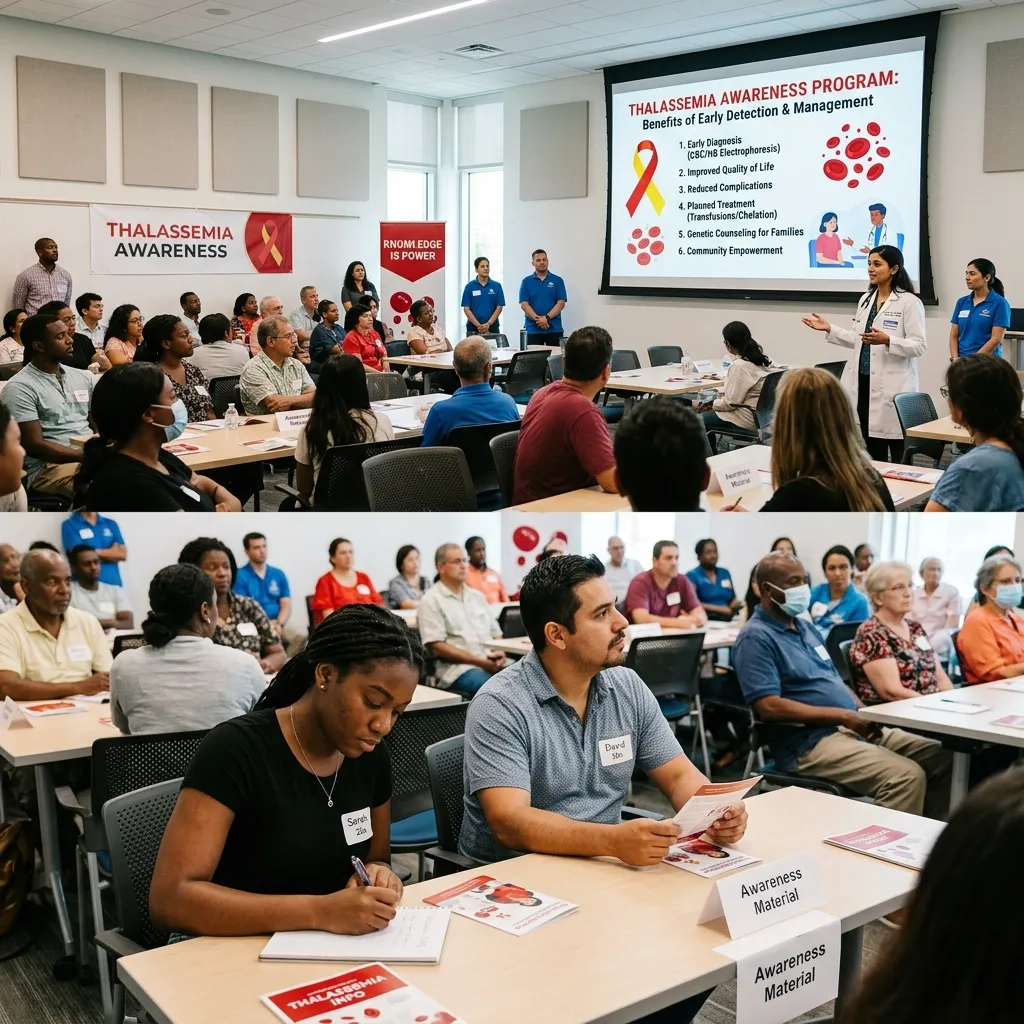 The benefits of thalassemia awareness programs are measurable and far-reaching. These programs combine education, screening, and counseling to reach people before the disorder causes irreversible harm.
Key benefits include:
- Early detection: Awareness encourages people to seek a Complete Blood Count and hemoglobin electrophoresis, the two tests that confirm thalassemia. Early diagnosis allows treatment to begin before complications develop.
- Reduced severe births: When carriers know their status before having children, they can make informed decisions. This is the single most powerful way to prevent thalassemia major.
- Better treatment adherence: Educated patients understand why iron chelation therapy and regular transfusions matter, leading to more consistent care.
- Lower healthcare costs: Prevention and early management cost far less than a lifetime of treating severe disease.
- Reduced stigma: Awareness replaces fear and misunderstanding with knowledge, helping patients live without shame or isolation.
The benefits of thalassemia awareness programs grow stronger when they reach schools, workplaces, and places of worship—anywhere communities gather. Broad reach means more carriers identified and more severe cases prevented.
Raising Awareness About Thalassemia Prevention: Strategies and Success Stories
Raising awareness about thalassemia prevention requires a mix of education, screening access, and community engagement. The goal is simple: help people understand their risk and act on it.
Effective strategies for raising awareness about thalassemia prevention include:
- Premarital and pre-conception screening: Countries with mandatory screening programs have achieved dramatic reductions in severe thalassemia births.
- School-based education: Teaching young people about genetic blood disorders builds a generation that understands screening and prevention.
- Community campaigns: Local events, social media, and health fairs spread the message in accessible, relatable ways.
- Healthcare provider training: When doctors recognize thalassemia and order the right tests, misdiagnosis drops sharply.
- Patient advocacy: People living with thalassemia who share their stories put a human face on the condition and inspire action.
Success stories prove these strategies work. Cyprus combined mandatory premarital screening with public education and nearly eliminated new cases of thalassemia major. Similar efforts across the Mediterranean show that raising awareness about thalassemia prevention can transform public health outcomes within a single generation.
The Role of Screening and Genetic Counseling
Screening and genetic counseling sit at the heart of every successful awareness effort. Screening identifies carriers. Counseling helps them understand what their status means.
A simple blood test can reveal carrier status. The Complete Blood Count flags small red blood cells, while hemoglobin electrophoresis confirms the type of thalassemia. When both partners are tested before having children, they gain the information they need to plan ahead.
Genetic counseling translates test results into clear choices. A counselor explains inheritance patterns, the 25% risk when both partners are carriers, and the options available. This guidance turns abstract genetics into real, actionable decisions. Our resource on genetic counseling for thalassemia explains the process in detail.
Living with Thalassemia: Support, Management, and Quality of Life
Awareness does not stop at prevention. It also improves the lives of people already living with thalassemia. With the right care, many patients now live into their 40s, 50s, and beyond.
Good management rests on a few pillars. Regular blood transfusions maintain healthy hemoglobin levels in severe cases. Iron chelation therapy removes the excess iron that transfusions leave behind, protecting vital organs. A balanced, folate-rich diet supports red blood cell production, while patients generally avoid unnecessary iron.
Quality of life also depends on emotional support. Children with thalassemia face higher rates of anxiety and depression, so mental health care, peer support, and open family communication matter just as much as medical treatment. Awareness helps families understand that thalassemia is something to be managed, not feared.
Challenges in Thalassemia Awareness and How to Overcome Them
Spreading awareness is not without obstacles. Several challenges slow progress, but each one has a practical solution.
- Low public knowledge: Many people have never heard of thalassemia. The fix is sustained education through schools, media, and healthcare settings.
- Cultural stigma: In some communities, genetic conditions carry shame. Open, respectful conversation and patient advocacy help break down stigma.
- Limited access to screening: Cost and distance keep some people from getting tested. Mobile clinics and subsidized screening close this gap.
- Misdiagnosis: When doctors confuse thalassemia with iron deficiency, patients suffer. Provider training solves this problem at the source.
Overcoming these challenges takes coordination among governments, healthcare workers, and communities. Each step forward strengthens the case for thalassemia awareness importance as a public health priority.
Community Involvement and Advocacy
 Communities drive lasting change. When local leaders, schools, and faith groups join awareness efforts, the message reaches people who might otherwise never hear it.
Advocacy takes many forms. Patients and families share their experiences. Volunteers organize screening drives. Schools add genetic health to their curriculum. Social media amplifies every voice. Together, these efforts build a culture where screening feels normal and prevention feels possible.
Community involvement also creates support networks. People living with thalassemia find others who understand their journey, reducing isolation and building resilience. This sense of belonging is one of the quieter but most meaningful benefits of strong awareness.
Future Directions in Thalassemia Research and Awareness
The future of thalassemia care looks brighter than ever. Research is accelerating, and awareness is spreading through new channels.
Gene therapy has reached regulatory approval in some countries, offering the possibility of a cure for severe forms. Drugs that reactivate fetal hemoglobin are in advanced development. Next-generation genetic testing is making diagnosis faster and more affordable, which expands access to screening worldwide.
Awareness is evolving too. Digital health platforms, telemedicine, and social media now reach communities that traditional campaigns once missed. As these tools grow, the thalassemia awareness importance will only increase, connecting more people to the knowledge and care they need.
Conclusion
Thalassemia is a serious condition, but it is also one of the most preventable inherited disorders in the world. The thalassemia awareness importance rests on a simple truth: knowledge changes outcomes. When people understand the disorder, get screened, and make informed choices, severe cases fall, and lives improve.
The path forward is clear. Get tested if you have a family history. Encourage your partner to do the same before starting a family. Support awareness programs in your community. Share what you have learned with others who may benefit.
Take the next step today. Talk to your doctor about a Complete Blood Count and hemoglobin electrophoresis, and explore trusted resources from the World Health Organization to learn more. Awareness saves lives—and it starts with you.
Frequently Asked Questions
1. What is the importance of thalassemia awareness?
Thalassemia awareness importance lies in preventing severe cases, encouraging early detection, and supporting better treatment. Awareness helps carriers learn their status, reduces misdiagnosis, and guides informed family planning, which together lowers the global burden of the disease.
2. Why does thalassemia awareness matter for families?
Why thalassemia awareness matters for families comes down to prevention and care. When parents know their carrier status, they can make informed choices before having children. Awareness also helps them recognize early symptoms and avoid harmful treatments like unnecessary iron supplements.
3. What are the main benefits of thalassemia awareness programs?
The benefits of thalassemia awareness programs include early detection, fewer severe births, better treatment adherence, lower healthcare costs, and reduced stigma. These programs combine education, screening, and counseling to reach people before the disorder causes lasting harm.
4. How can we start raising awareness about thalassemia prevention?
Raising awareness about thalassemia prevention starts with education, accessible screening, and community engagement. Effective methods include premarital screening, school programs, social media campaigns, and healthcare provider training to reduce misdiagnosis.
5. Who should get screened for thalassemia?
Anyone with a family history of thalassemia or anemia, couples planning a family, and people from high-prevalence regions should get screened. A simple Complete Blood Count followed by hemoglobin electrophoresis can confirm carrier status.
6. Can thalassemia be prevented?
Thalassemia cannot be cured through prevention, but new severe cases can be prevented. When carriers know their status before having children, genetic counseling helps them understand risks and options, dramatically reducing the number of children born with thalassemia major.
7. Why is thalassemia often misdiagnosed?
Thalassemia is often mistaken for iron deficiency anemia because both cause low hemoglobin and small red blood cells. The key difference is that thalassemia patients often have normal or high iron levels, so iron supplements can be harmful rather than helpful.
8. Does awareness really reduce thalassemia cases?
Yes. Countries like Cyprus reduced severe thalassemia births by more than 90% through mandatory screening and public education. This proves that awareness, combined with accessible screening, has a measurable impact on public health.
9. What role does genetic counseling play in thalassemia awareness?
Genetic counseling helps carriers understand inheritance patterns and the risks for their children. It turns complex genetic information into clear choices, making it a cornerstone of effective thalassemia awareness and prevention efforts.
10. How can communities help raise thalassemia awareness?
Communities help by hosting screening drives, adding genetic health to school programs, sharing patient stories, and using social media to spread information. Strong community involvement normalizes screening and builds support networks for affected families.
