


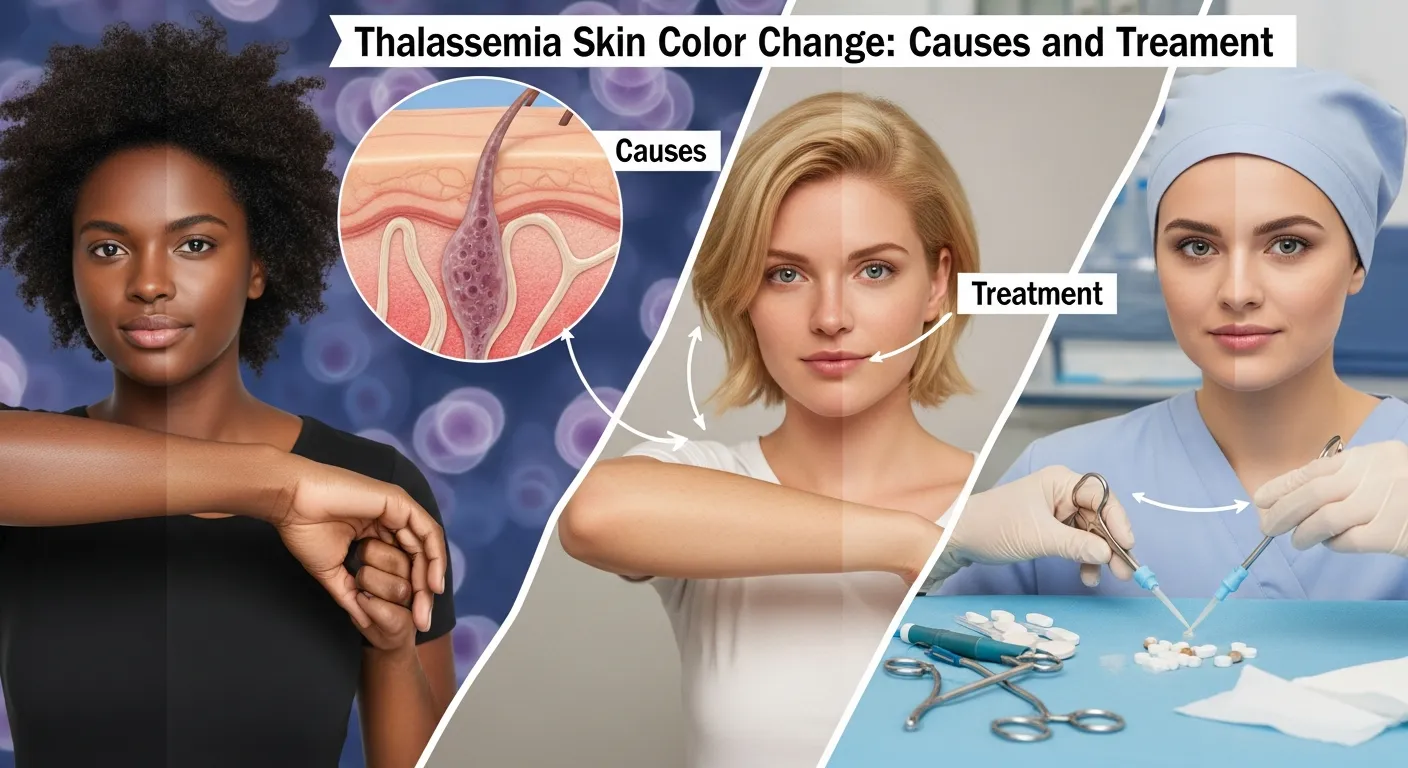
Thalassemia skin color change can result from anemia, jaundice, iron overload, and treatment complications. Understanding skin discoloration in thalassemia helps patients recognize symptoms early and seek appropriate medical care to improve overall health outcomes.
Thalassemia skin color change is one of the visible signs that may develop in individuals living with thalassemia, a genetic blood disorder that affects hemoglobin production. While many people associate thalassemia primarily with anemia and fatigue, changes in skin appearance can also occur as the condition progresses. These skin changes often result from chronic anemia, increased breakdown of red blood cells, iron overload, liver complications, or long-term treatment effects.
Understanding thalassemia skin color change is important because it may provide early clues about underlying complications. In some patients, the skin may appear pale due to the reduced oxygen-carrying capacity of the blood. Others may experience yellowish discoloration caused by elevated bilirubin levels resulting from excessive red blood cell destruction. In more severe cases, iron overload from repeated blood transfusions can lead to darker skin pigmentation.
Recognizing these changes can help patients and caregivers seek timely medical evaluation and appropriate treatment. This guide explains the causes, symptoms, diagnosis, management, and prevention strategies associated with skin discoloration in thalassemia, helping readers better understand how the condition affects overall health and appearance.
What Is Thalassemia Skin Color Change?
Thalassemia skin color change refers to alterations in skin tone that occur as a result of the underlying disease process or its complications. These changes may develop gradually over time or become more noticeable as the condition progresses.
The skin is often a reflection of internal health. Because thalassemia affects blood production, oxygen delivery, iron metabolism, and liver function, it can directly influence skin appearance. The severity and type of skin color change vary depending on the form of thalassemia, treatment history, and overall health status.
Common forms of skin discoloration in thalassemia include:
- Pale skin
- Yellowish skin tone
- Bronze or brown pigmentation
- Uneven skin coloration
- Darkening around joints or exposed areas
Although these changes are not always dangerous, they may indicate underlying complications that require medical attention.
Why Does Thalassemia Affect Skin Color?
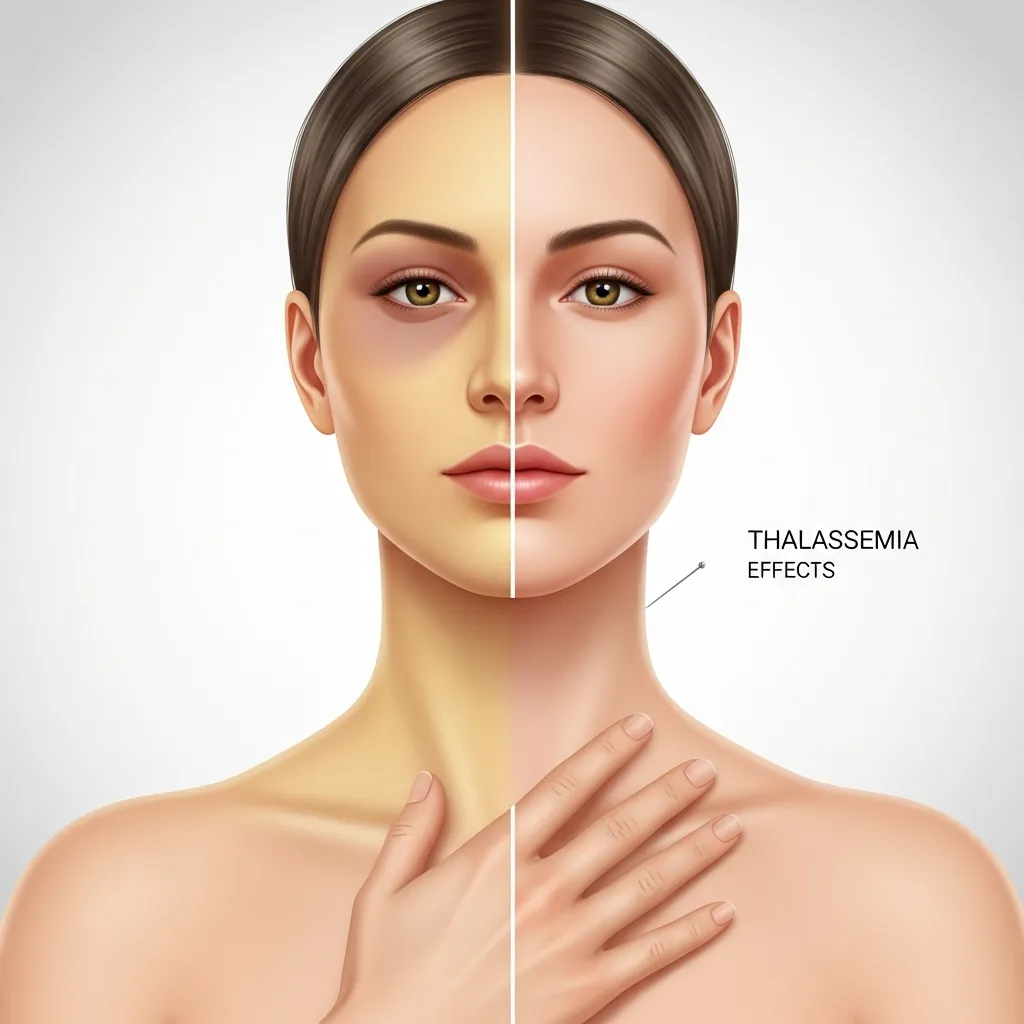 The connection between thalassemia and skin appearance lies in how the disease affects red blood cells, oxygen delivery, and long-term organ function. In the context of thalassemia skin color change, these physiological disruptions gradually influence skin tone, texture, and overall pigmentation.
Healthy red blood cells carry oxygen throughout the body using hemoglobin. In thalassemia, defective hemoglobin production reduces oxygen transport efficiency. As a result, tissues receive less oxygen, and multiple systemic changes begin to appear—including noticeable skin discoloration in thalassemia.
Several mechanisms contribute to thalassemia skin pigmentation changes, including chronic anemia, ongoing hemolysis (breakdown of red blood cells), iron overload from repeated transfusions, and liver dysfunction. These factors often interact, making skin changes more pronounced over time.
Pale Skin Due to Chronic Anemia
One of the most common forms of thalassemia skin color change is pallor, or unusually pale skin.
Anemia develops when the body cannot produce enough healthy red blood cells. When hemoglobin levels drop, oxygen delivery to tissues becomes insufficient. This reduced oxygenation causes the skin to lose its natural pinkish glow and appear noticeably pale.
Pale skin is often accompanied by additional symptoms such as:
- Persistent fatigue
- General weakness
- Dizziness or lightheadedness
- Shortness of breath
- Reduced physical endurance
These symptoms reflect the body’s struggle to maintain adequate oxygen supply.
Other Skin Changes in Thalassemia
Beyond pallor, some patients may experience yellow skin symptoms of thalassemia, especially when hemolysis increases bilirubin levels. Iron overload can also lead to a darker or bronzed skin tone over time, particularly in patients receiving frequent blood transfusions.
Liver dysfunction caused by iron accumulation may further intensify pigmentation changes, making the skin appear uneven or slightly discolored.
When to Learn More
If these symptoms are present, understanding the underlying condition is important. Early awareness of thalassemia skin color change can help identify complications such as anemia, jaundice, or iron overload before they progress.
You can explore more detailed medical guidance and patient-focused information here:
Learn more about thalassemia symptoms and management
Overall, thalassemia skin pigmentation changes are not just cosmetic—they often reflect deeper internal imbalances related to oxygen delivery, blood health, iron metabolism, and liver function. Recognizing these changes early can play an important role in timely diagnosis, better treatment planning, and improved long-term outcomes.
Yellow Skin Symptoms of Thalassemia
Yellow skin symptoms of thalassemia are most commonly linked with jaundice, a visible sign of increased bilirubin levels in the body.
Jaundice develops when red blood cells break down faster than normal in a process called hemolysis, releasing large amounts of bilirubin into the bloodstream. Normally, the liver processes and removes bilirubin efficiently. However, in thalassemia, excessive red blood cell destruction can overwhelm liver function, leading to a buildup of bilirubin.
As bilirubin accumulates, it begins to deposit in tissues, causing a yellow tint in the skin and eyes. This is especially common in individuals with more severe forms of thalassemia, where chronic hemolysis is ongoing and persistent.
In some cases, skin discoloration in thalassemia may be one of the earliest visible clues that red blood cell breakdown is increasing beyond the body’s normal capacity.
Additional symptoms of jaundice may include:
- Yellowing of the eyes (scleral icterus)
- Dark or tea-colored urine
- Persistent fatigue and low energy
- Abdominal discomfort or bloating
- Enlarged spleen (splenomegaly)
Early recognition of jaundice is important because it may indicate worsening hemolysis, increased disease activity, or developing liver-related complications. Timely medical evaluation can help prevent further progression and guide appropriate treatment strategies.
For a broader overview of related symptoms, you can also explore:
Understanding thalassemia symptoms and complications
Thalassemia Skin Pigmentation Changes from Iron Overload
 In moderate to severe thalassemia, repeated blood transfusions are often essential to maintain healthy hemoglobin levels. While these transfusions are life-saving, they can also lead to iron overload, one of the most important contributors to long-term thalassemia skin pigmentation changes.
The human body does not have an effective natural mechanism to eliminate excess iron. Over time, iron gradually accumulates in vital organs such as the liver, heart, endocrine glands, and even the skin. This condition, known as transfusional iron overload, can significantly affect both internal health and external appearance.
As iron builds up in tissues, it may trigger oxidative stress and pigment deposition, leading to visible skin changes.
Common skin manifestations of iron overload include:
- A bronze or “sun-tanned” skin tone
- Diffuse brownish pigmentation
- Uneven darkening of skin areas
- Localized hyperpigmented patches
This pattern of discoloration is often referred to as “bronzing” of the skin, and it typically becomes more noticeable after years of ongoing transfusion therapy without adequate iron chelation management.
Managing iron levels through appropriate medical therapy is crucial not only for preventing organ damage but also for reducing long-term skin-related changes associated with chronic thalassemia care.
Role of Liver Function in Skin Discoloration
The liver plays a central role in maintaining blood chemistry, particularly in processing bilirubin and regulating iron storage. In thalassemia, especially in patients with chronic hemolysis and frequent transfusions, the liver often becomes overburdened.
When excess iron accumulates in liver tissue, it can cause progressive liver damage, reducing the organ’s ability to properly filter and process waste products. As liver function declines, bilirubin metabolism becomes less efficient, contributing to yellow skin symptoms of thalassemia, as well as more long-term pigmentation changes.
Over time, impaired liver function may also worsen systemic iron distribution, indirectly contributing to darker or uneven skin tone due to persistent iron deposition and oxidative stress.
Common liver-related symptoms associated with thalassemia may include:
- Persistent jaundice (yellowing of skin and eyes)
- Abdominal swelling or fluid retention (ascites)
- Loss of appetite and digestive discomfort
- Chronic fatigue and weakness
- Elevated liver enzyme levels in blood tests
Because liver involvement can significantly influence both internal health and visible skin changes, regular monitoring of liver function is a critical part of long-term thalassemia care and management.
Skin Changes in Children with Thalassemia
Children with thalassemia may also experience noticeable thalassemia skin color change, particularly in moderate to severe forms of the disease. These changes often develop gradually and may be one of the early visible signs that prompt further medical evaluation.
Parents and caregivers may observe the following symptoms:
- Persistent paleness or lack of normal skin coloration
- Yellowish skin tone suggestive of mild jaundice
- Delayed physical growth and development
- Reduced energy levels and frequent tiredness
- Poor appetite and difficulty gaining weight
In addition to skin-related signs, children may also show developmental delays due to chronic anemia and reduced oxygen delivery to tissues. Early detection is important, as timely intervention can significantly improve outcomes and quality of life.
For more detailed guidance, families can explore educational resources on thalassemia symptoms in children and early signs of thalassemia in newborns, which help in recognizing the condition at the earliest possible stage.
How Iron Chelation Therapy Helps
Iron chelation therapy is a cornerstone treatment for patients with transfusion-dependent thalassemia. Its primary goal is to remove excess iron from the body and prevent complications caused by iron overload.
Without treatment, iron can accumulate in vital organs and contribute to both internal damage and external manifestations such as thalassemia skin pigmentation changes.
When used consistently under medical supervision, chelation therapy can provide several important benefits:
- Helps reduce skin darkening and abnormal pigmentation
- Supports improved liver function and reduces organ stress
- Protects the heart from iron-related complications
- Helps maintain healthier endocrine (hormonal) balance
- Improves overall energy levels and quality of life
Different chelation medications may be used depending on the patient’s age, iron levels, and overall health condition. Regular blood tests and imaging studies are essential to ensure treatment effectiveness and adjust dosage when needed.
You can also learn more about long-term care approaches through trusted medical resources:
Thalassemia treatment and management overview
Consistent therapy, combined with routine monitoring, plays a key role in minimizing complications and reducing visible skin changes associated with chronic iron overload.
Diagnosis of Thalassemia Skin Color Change
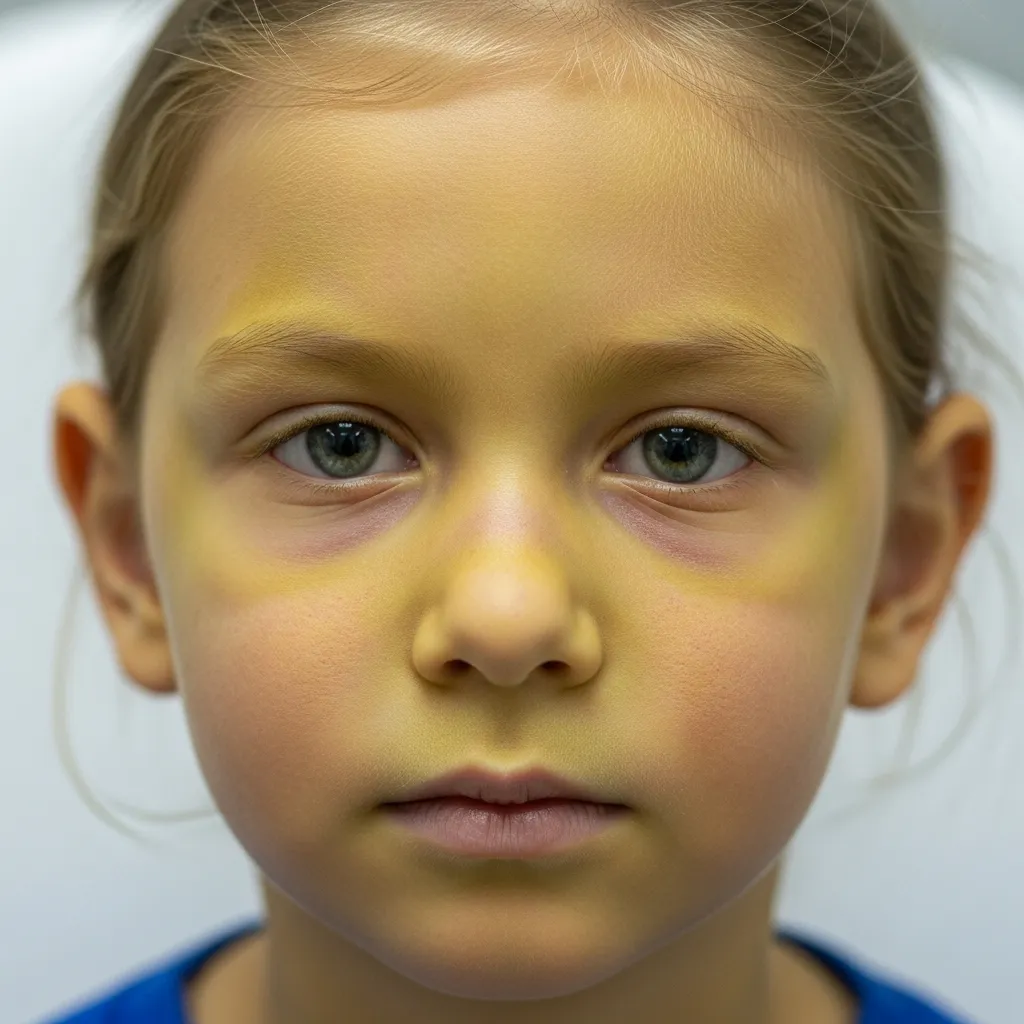 Doctors evaluate thalassemia skin color change through a combination of clinical observation and detailed laboratory investigations. Since skin discoloration can result from multiple underlying mechanisms—such as anemia, jaundice, iron overload, or liver dysfunction—accurate diagnosis is essential for effective management.
During a physical examination, healthcare providers assess skin tone, eye color, and signs of fatigue or organ enlargement. These observations are then supported by targeted diagnostic tests.
Common diagnostic tools include:
- Complete blood count (CBC) to assess anemia severity and red blood cell health
- Hemoglobin analysis (such as electrophoresis) to identify abnormal hemoglobin patterns
- Bilirubin testing to detect jaundice and increased red blood cell breakdown
- Liver function tests (LFTs) to evaluate liver health and metabolic efficiency
- Serum ferritin measurement to estimate iron storage levels in the body
- MRI assessment of iron overload, especially in the liver and heart
These investigations help clinicians determine whether skin discoloration in thalassemia is primarily driven by chronic anemia, ongoing hemolysis, iron accumulation, or associated liver complications. In many cases, more than one factor contributes simultaneously, making comprehensive evaluation necessary.
Treatment Options
Treatment for thalassemia skin pigmentation changes focuses on addressing the underlying medical causes rather than the skin changes alone. As the disease is systemic, improving blood health and organ function often leads to noticeable improvement in skin appearance over time.
Key treatment approaches include:
Managing Anemia
Improving hemoglobin levels through appropriate therapies can significantly reduce pallor and enhance overall skin tone. Better oxygen delivery to tissues helps restore a healthier complexion.
Treating Iron Overload
Iron chelation therapy plays a crucial role in reducing excess iron accumulation caused by repeated blood transfusions. Lower iron levels help prevent tissue damage and may reduce skin darkening associated with chronic iron deposition.
Supporting Liver Health
Regular monitoring of liver function, along with medical interventions when needed, helps prevent complications that contribute to jaundice and pigmentation changes.
Blood Transfusion Management
Careful planning of transfusion schedules ensures that patients receive adequate hemoglobin support while minimizing the risk of excessive iron buildup. Learning about thalassemia blood transfusion frequency is important for understanding individualized treatment strategies.
Lifestyle Factors That Support Healthy Skin
While medical treatment remains the foundation of care, certain lifestyle practices can support overall skin health and general well-being in individuals with thalassemia.
Helpful strategies include:
- Following prescribed medical treatment plans consistently
- Maintaining proper hydration to support metabolic functions
- Eating a nutrient-rich, balanced diet to support blood health
- Avoiding excessive iron intake when medically advised
- Protecting skin from prolonged or excessive sun exposure
In addition, many patients benefit from adopting practical lifestyle tips for thalassemia, which help improve energy levels, immune function, and overall quality of life alongside medical treatment.
Prevention of Skin Complications
Although genetic conditions like thalassemia cannot be prevented, the severity of thalassemia skin pigmentation changes and related complications can often be significantly reduced through early and consistent medical care.
Effective preventive strategies include:
- Early diagnosis through newborn or family screening programs
- Regular monitoring of hemoglobin and iron levels
- Routine assessment of liver and heart function
- Timely and appropriate iron chelation therapy
- Consistent follow-up with specialized healthcare providers
Proactive management is essential, as it not only helps prevent visible skin changes but also reduces the risk of serious long-term complications affecting vital organs.
Conclusion
Thalassemia skin color change is a common but often overlooked aspect of living with thalassemia. Changes such as pallor, jaundice, and skin darkening can result from chronic anemia, increased red blood cell destruction, iron overload, and liver complications. Recognizing these signs early allows patients and healthcare providers to identify underlying issues and implement appropriate treatment strategies. With proper monitoring, effective medical care, and healthy lifestyle practices, many skin-related complications can be managed successfully, improving both physical health and quality of life.
Frequently Asked Questions (FAQ)
1. What is thalassemia skin color change?
Thalassemia skin color change refers to alterations in skin tone caused by anemia, jaundice, iron overload, or disease-related complications.
2. Why does thalassemia cause pale skin?
Reduced hemoglobin levels decrease oxygen delivery to tissues, causing the skin to appear pale.
3. What causes yellow skin symptoms of thalassemia?
Yellow skin usually results from increased bilirubin levels due to excessive red blood cell breakdown.
4. Can iron overload darken the skin?
Yes, excess iron deposits can cause bronze or brown skin pigmentation changes.
5. Is skin discoloration in thalassemia dangerous?
Not always, but it may indicate complications that require medical evaluation.
6. Can treatment improve skin color changes?
Yes, treating anemia, iron overload, and liver issues often improves skin appearance.
7. Do all thalassemia patients experience skin changes?
No, severity varies depending on disease type, treatment history, and individual health factors.
8. How is skin discoloration diagnosed?
Doctors use physical examinations and blood tests to determine the underlying cause.
9. Can children develop skin color changes?
Yes, children with moderate or severe thalassemia may experience pallor or jaundice.
10. How can patients reduce skin complications?
Regular monitoring, iron management, healthy lifestyle habits, and consistent medical care can help reduce complications.
