


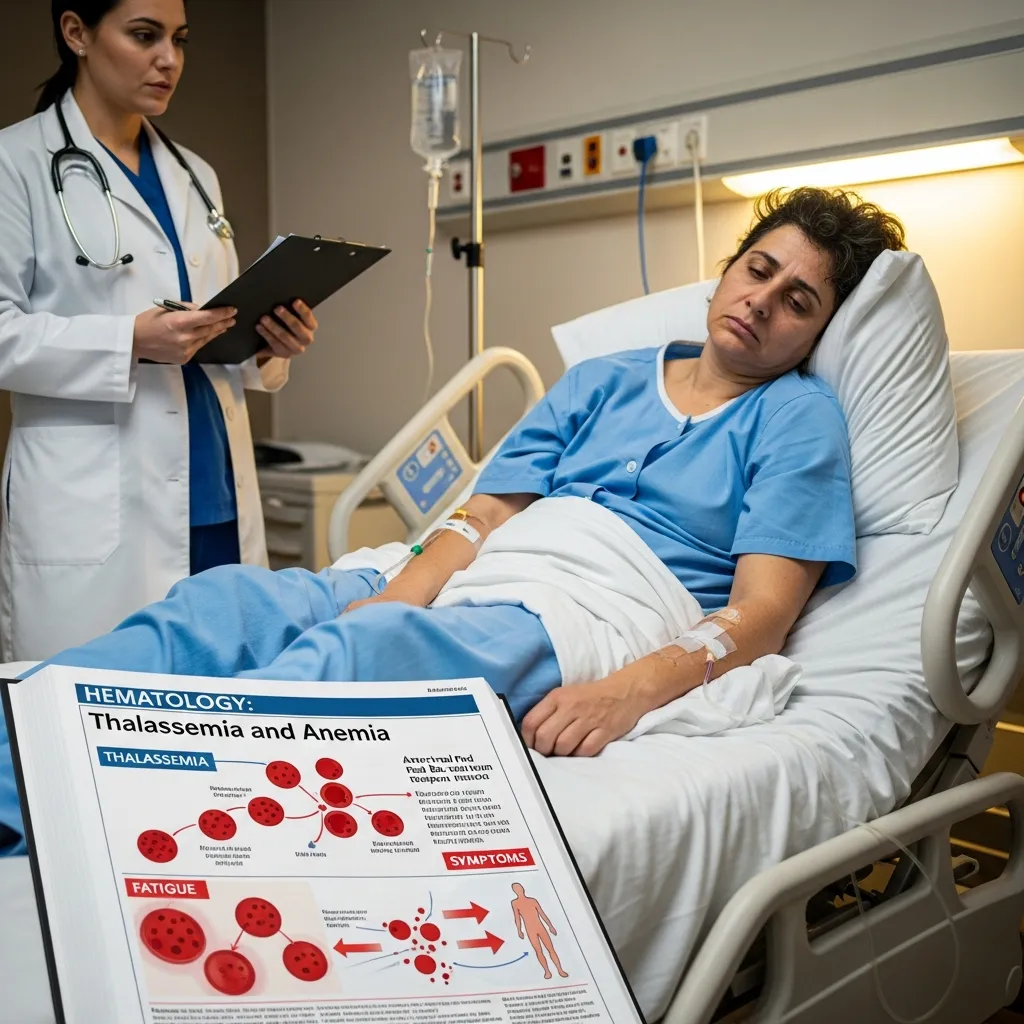
To understand why thalassemia causes tiredness, it helps to picture oxygen as a delivery system. Hemoglobin is the truck. Red blood cells are the fleet. When thalassemia shrinks the fleet and underloads each truck, deliveries fall behind across the entire body.
Here is what that oxygen deficit does:
- Muscle weakness: Muscles need oxygen to contract and recover. With less oxygen, they tire quickly and feel heavy during everyday tasks like walking or lifting.
- Mental fatigue and brain fog: The brain consumes a large share of the body’s oxygen. Reduced delivery causes difficulty concentrating, slower thinking, and a foggy feeling.
- Breathlessness on exertion: When oxygen runs low, the lungs and heart work harder to compensate, leaving you winded after minimal effort.
- Heart strain: The heart beats faster and stronger to push oxygen-poor blood around the body. Over time, this extra workload adds to the sense of weakness.
These overlapping effects explain why thalassemia weakness reasons are rarely limited to one part of the body. The whole system slows down when oxygen is scarce.
How Does Anemia in Thalassemia Differ From Everyday Tiredness?
 Many people brush off fatigue as a side effect of stress or poor sleep. Thalassemia-related fatigue is fundamentally different, and recognizing the difference matters.
Ordinary tiredness is situational. It follows a late night, a hard workout, or a demanding week, and it improves with rest. Thalassemia fatigue, by contrast, is persistent. A person can sleep eight hours and still wake up feeling drained, because the underlying problem—low hemoglobin—does not disappear overnight.
The fatigue is also proportionate to activity rather than lifestyle. Climbing a single flight of stairs may feel like a workout. Carrying groceries may leave the arms shaking. This pattern, where small efforts produce big exhaustion, is a hallmark of thalassemia. It is one of the most consistent mild thalassemia symptoms and a key reason the condition is so often missed for years.
Does the Type of Thalassemia Affect How Severe Fatigue Is?
Yes. The severity of fatigue and weakness depends heavily on which type of thalassemia a person has and how much it reduces hemoglobin.
Mild Thalassemia (Trait or Minor)
People with thalassemia trait usually have one faulty gene and one normal gene. The normal gene compensates partially, so hemoglobin levels drop only slightly. Fatigue is the most common complaint, but it tends to be manageable. Many carriers feel tired during illness, pregnancy, or physical stress, while feeling mostly fine the rest of the time. Some experience no symptoms at all.
Thalassemia Intermedia
This middle form produces moderate anemia. Fatigue is more pronounced and noticeable, often accompanied by reduced exercise tolerance and occasional need for blood transfusions during illness or growth periods.
Thalassemia Major
Also called Cooley’s anemia, thalassemia major is the most severe form. The body makes very little functional hemoglobin, causing profound anemia and severe, disabling fatigue. Patients rely on regular blood transfusions to maintain energy and survive. Without treatment, the exhaustion becomes overwhelming and life-threatening.
The takeaway is clear: the lower the hemoglobin, the more intense the fatigue. This is why understanding your specific diagnosis—through testing—is so important.
Why Do Thalassemia Patients Feel Weak Even With “Normal” Iron Levels?
This is one of the most important and misunderstood points in thalassemia care.
Many people assume that fatigue and anemia automatically mean iron deficiency. With thalassemia, that assumption is not only wrong—it can be dangerous. Thalassemia fatigue causes are about defective hemoglobin production, not a lack of iron. In fact, people with thalassemia often have normal or even elevated iron stores.
Taking iron supplements you don’t need can lead to iron overload, which damages the heart, liver, and endocrine glands over time. This is why a confirmed iron deficiency, verified through a serum ferritin test, is the only reason someone with thalassemia should take iron.
The lesson is simple but vital: weakness in thalassemia is an oxygen-delivery problem, not an iron-supply problem in most cases. Always confirm the cause of anemia through proper testing before reaching for supplements.
How Is Thalassemia-Related Fatigue Diagnosed?
If persistent fatigue and weakness sound familiar, the path to answers is straightforward and affordable.
Diagnosis starts with a Complete Blood Count (CBC). In thalassemia, the CBC typically shows:
- Low hemoglobin
- Small red blood cells (low MCV)
- Pale, under-filled red blood cells (low MCH)
- A normal or high red blood cell count, which helps separate thalassemia from iron deficiency
The defining test is hemoglobin electrophoresis, which measures the different types of hemoglobin in the blood. In beta thalassemia minor, this test reveals an elevated hemoglobin A2 level—the hallmark diagnostic marker. When results are unclear or alpha thalassemia is suspected, genetic testing confirms the exact mutation.
Getting an accurate diagnosis is the difference between managing fatigue effectively and chasing the wrong solution for years. If you notice these patterns in yourself or your child, the thalassemia symptoms guide offers a fuller picture of what to watch for.
How Can You Manage Fatigue and Weakness From Thalassemia?
 Managing thalassemia fatigue begins with accepting that it has a physical cause. From there, several strategies genuinely help.
Medical Management
- Blood transfusions: For thalassemia major and some intermediate cases, regular transfusions restore hemoglobin levels and dramatically reduce fatigue.
- Iron chelation therapy: For transfusion-dependent patients, chelation removes excess iron and protects organs from overload.
- Regular monitoring: An annual CBC and periodic iron studies help track hemoglobin levels and catch any changes early.
Lifestyle Strategies
- Prioritize consistent sleep: Quality rest is non-negotiable for anyone managing chronic fatigue.
- Pace your activities: Spread demanding tasks across the day instead of clustering them, which prevents energy crashes.
- Exercise within tolerance: Moderate aerobic activity improves how efficiently the body uses oxygen, even with lower hemoglobin. Complete inactivity tends to make weakness worse.
- Stay hydrated: Dehydration worsens dizziness, headaches, and overall fatigue.
- Rest more during illness: Infections temporarily deepen anemia, so listen to your body and recover fully.
Nutritional Support
- Eat folate-rich foods: Folate supports red blood cell production. Leafy greens, legumes, and citrus fruits are excellent choices.
- Avoid unnecessary iron: Skip iron-fortified foods and supplements unless a doctor confirms a deficiency.
- Support bone health: Adequate calcium and vitamin D protect bone density, which can be affected in thalassemia.
For deeper, condition-specific guidance, the lifestyle tips for thalassemia resource offers practical, everyday strategies.
When Should You See a Doctor About Thalassemia Fatigue?
Persistent fatigue always deserves attention, but certain signs call for prompt medical care. Contact a healthcare provider if you experience:
- Fatigue that suddenly becomes much worse than your baseline
- Severe weakness paired with a rapid or irregular heartbeat
- Difficulty breathing at rest
- Noticeable paleness with dizziness or fainting
- Fever, especially if your spleen has been removed
These can signal worsening anemia or a related complication that needs evaluation. For families managing the condition in younger patients, the thalassemia symptoms in children guide explains how fatigue and weakness present across childhood.
Living Stronger With Thalassemia
Thalassemia causes fatigue and weakness for one fundamental reason: reduced hemoglobin means less oxygen reaching the body’s tissues. That oxygen shortage explains everything from tired muscles to brain fog to breathlessness on a short walk. It is a real, measurable, physical condition—not a matter of willpower or motivation.
The encouraging news is that thalassemia fatigue is manageable once it is correctly understood. Accurate diagnosis through a CBC and hemoglobin electrophoresis is the essential first step. From there, the right combination of medical care, smart lifestyle choices, and proper nutrition can make a meaningful difference in daily energy.
If unexplained tiredness or weakness has been part of your life, ask your doctor for a CBC and hemoglobin electrophoresis. The answers these tests provide can transform how you manage your health. According to the Centers for Disease Control and Prevention, early diagnosis and consistent care allow many people with thalassemia to lead full, active lives. Knowledge is the most powerful tool you have—put it to work for you and your family.
