


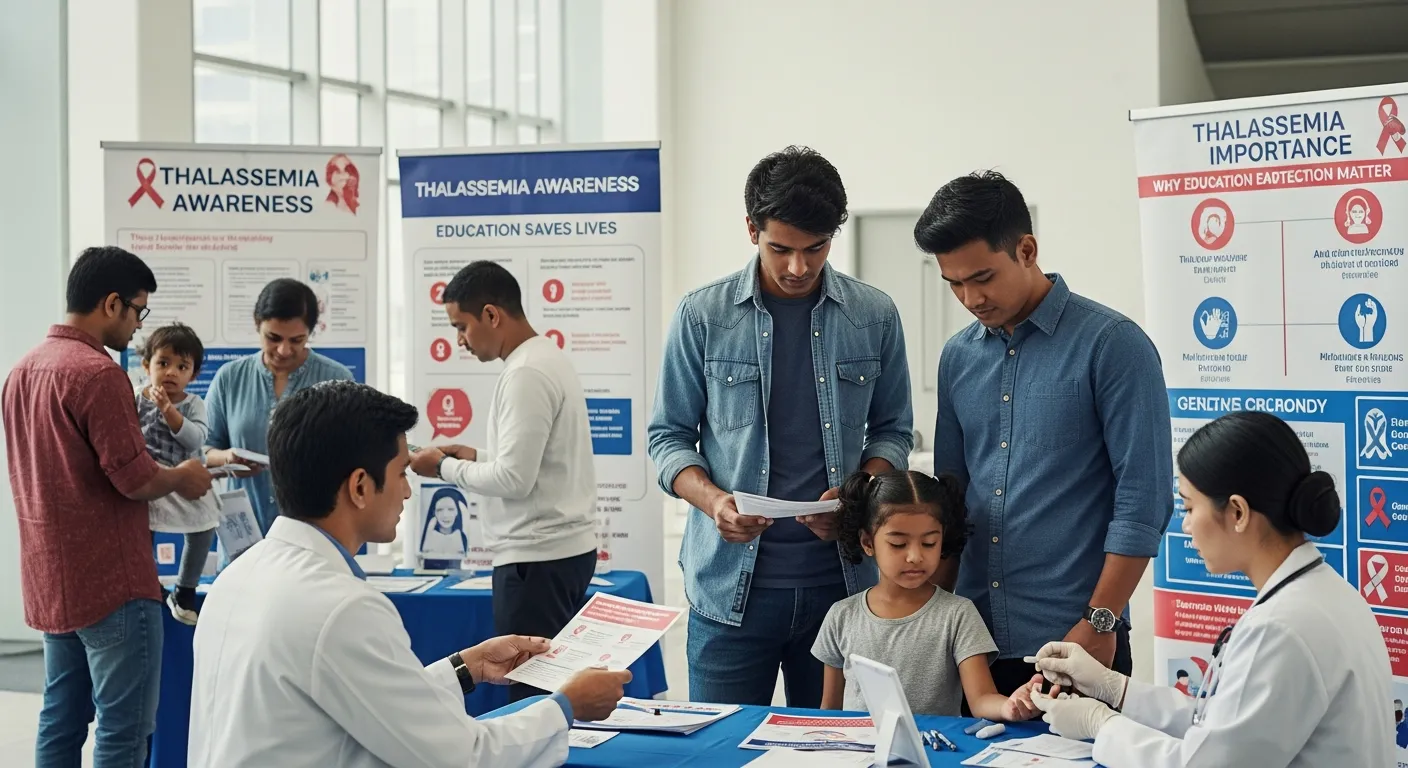
Understand the thalassemia awareness importance and how education, screening, and early diagnosis help prevent complications, support family planning, reduce disease burden, and improve quality of life for patients, carriers, and communities worldwide.
The thalassemia awareness importance cannot be overstated in today’s healthcare landscape. Thalassemia is one of the most common inherited blood disorders worldwide, affecting millions of individuals and families. Despite significant advances in diagnosis, treatment, and disease management, many people remain unaware of the condition, its genetic inheritance patterns, and the preventive measures available to reduce its impact.
A lack of awareness often leads to delayed diagnosis, missed opportunities for carrier screening, and an increased risk of severe thalassemia in future generations. Many individuals discover their carrier status only after a child is diagnosed with the condition, highlighting the critical need for education and early testing. In regions where thalassemia is highly prevalent, public awareness campaigns have proven to be one of the most effective strategies for reducing disease burden and improving overall health outcomes.
Understanding the thalassemia awareness importance empowers individuals to recognize symptoms, seek timely medical testing, pursue genetic counseling, and make informed reproductive decisions. Awareness also encourages people to participate in screening programs, learn about inheritance risks, and access healthcare services before complications arise. For patients already living with thalassemia, education helps improve treatment adherence, self-management, and long-term quality of life.
Furthermore, the thalassemia awareness importance extends beyond individual patients. It plays a crucial role in supporting families, schools, healthcare providers, and entire communities. Increased awareness helps reduce stigma and misconceptions surrounding genetic disorders while promoting empathy and social support for affected individuals. When communities understand the realities of thalassemia, they are better equipped to advocate for screening programs, healthcare resources, and patient support initiatives.
Public awareness also contributes to better prevention efforts. Educational programs can encourage carrier testing before marriage or pregnancy, allowing couples to understand potential genetic risks and explore available options. This proactive approach has helped many countries significantly reduce the number of children born with severe forms of thalassemia.
As healthcare systems continue to emphasize preventive medicine, the thalassemia awareness importance becomes even more relevant. Early detection, informed decision-making, community engagement, and access to accurate information all begin with awareness. By educating individuals about thalassemia and its lifelong implications, society can take meaningful steps toward reducing complications, improving patient outcomes, and protecting future generations.
This comprehensive guide explores the thalassemia awareness importance, its role in prevention, diagnosis, treatment, family planning, and community health, while highlighting why education remains a cornerstone of effective thalassemia management worldwide.
What Is Thalassemia?
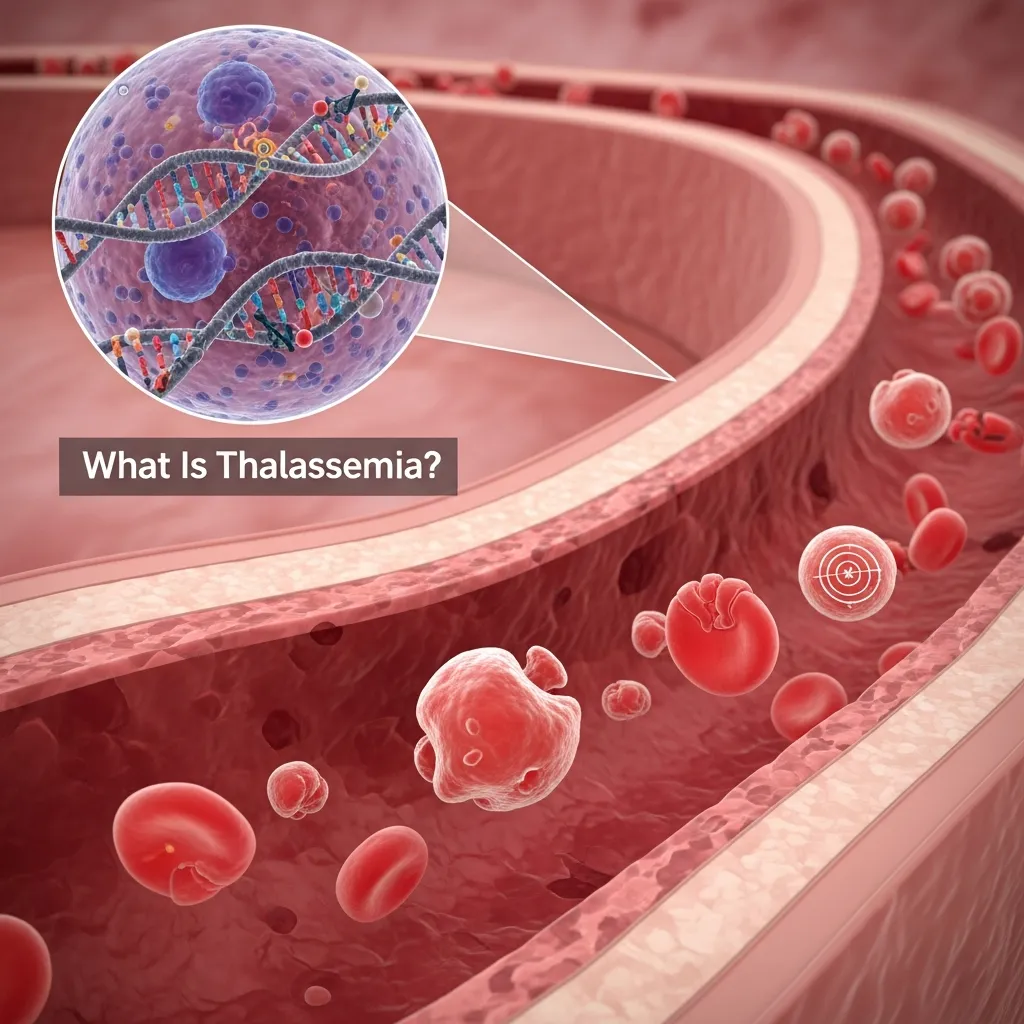 Thalassemia is a genetic blood disorder that affects the body’s ability to produce healthy hemoglobin, the protein in red blood cells responsible for carrying oxygen throughout the body.
When hemoglobin production is impaired, individuals may develop anemia and experience symptoms such as:
- Fatigue
- Weakness
- Pale skin
- Shortness of breath
- Delayed growth in children
- Enlarged spleen
The severity of symptoms varies depending on the specific type of thalassemia and the genetic mutations involved.
Understanding these symptoms is one reason why the thalassemia awareness importance continues to grow among healthcare professionals and patient advocacy groups.
For individuals unfamiliar with the condition, learning about common signs through resources such as the anchor text thalassemia symptoms guide can encourage earlier medical evaluation and diagnosis.
Understanding the Thalassemia Awareness Importance
The thalassemia awareness importance extends far beyond simply knowing the name of a disease.
Awareness helps people:
- Understand genetic inheritance
- Recognize early symptoms
- Seek timely medical testing
- Access treatment sooner
- Prevent severe forms in future generations
- Support affected family members
- Reduce misinformation and stigma
In communities with high carrier rates, awareness campaigns have significantly reduced the number of children born with severe thalassemia through education and screening programs.
Public awareness serves as the foundation for prevention efforts worldwide.
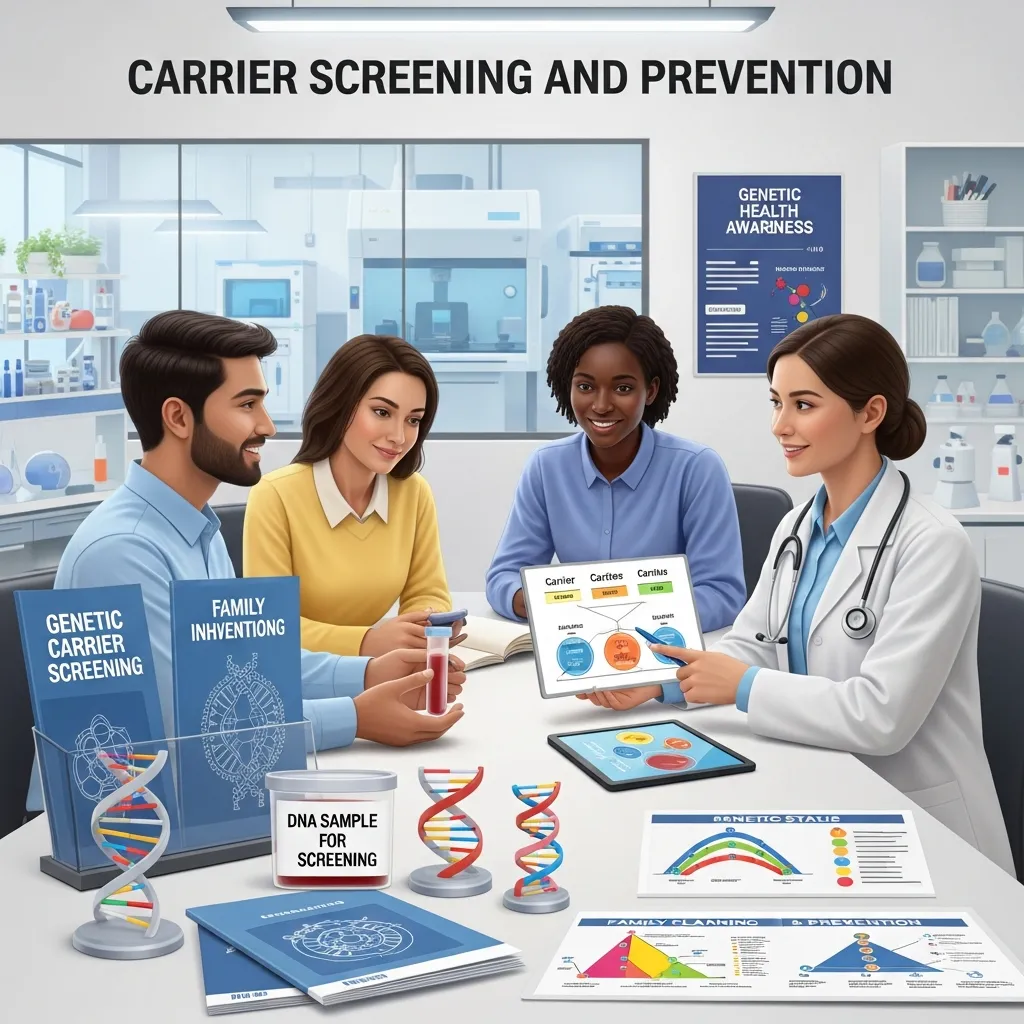
A major aspect of the thalassemia awareness importance involves carrier identification.
A carrier has one altered thalassemia gene but may not experience significant symptoms.
Without awareness, carriers may unknowingly pass the condition to their children.
Carrier screening helps individuals:
- Understand their genetic status
- Assess reproductive risks
- Seek genetic counseling
- Make informed family-planning decisions
Readers interested in learning more about testing options can explore information related to the anchor text thalassemia carrier screening test guide.
In many countries, premarital and preconception screening programs have dramatically reduced the number of severe thalassemia births.
The Importance of Genetic Counseling
Genetic counseling is one of the most effective tools for helping families understand inherited blood disorders.
The thalassemia awareness importance becomes especially evident when couples learn about genetic risks before pregnancy.
A genetic counselor can help individuals:
- Understand inheritance patterns
- Interpret test results
- Evaluate reproductive options
- Assess family risks
- Make informed healthcare decisions
Those seeking more detailed information can refer to the anchor text genetic counseling for thalassemia to better understand how counseling supports prevention efforts.
Thalassemia Awareness and Family Planning
Family planning is closely connected to the thalassemia awareness importance.
When both parents are carriers, there is an increased risk of having a child with severe thalassemia.
Awareness allows couples to:
- Undergo screening before pregnancy
- Explore reproductive options
- Consider prenatal testing
- Make informed decisions based on medical guidance
Knowledge empowers families to reduce uncertainty and prepare for the future.
Reducing Social Stigma Through Education
Many chronic illnesses carry social misconceptions.
Some families hesitate to discuss genetic conditions due to fear of judgment or discrimination.
Public education helps:
- Normalize conversations about inherited disorders
- Reduce stigma
- Encourage testing
- Increase community support
- Promote understanding
The thalassemia awareness importance includes creating a more informed and compassionate society for affected individuals.
Community Engagement and Advocacy
Community involvement plays a vital role in raising awareness.
Educational campaigns, patient organizations, healthcare providers, and advocacy groups all contribute to spreading accurate information.
Community initiatives often focus on:
- Public education programs
- Screening awareness
- School-based education
- Healthcare outreach
- Support networks
Resources related to thalassemia community engagement and thalassemia education and advocacy demonstrate how collaborative efforts can increase awareness and improve outcomes.
The Role of Lifestyle Education
Awareness is not limited to diagnosis and prevention.
Individuals living with thalassemia also benefit from education regarding healthy lifestyle choices.
Topics may include:
- Nutrition
- Physical activity
- Mental health
- Treatment adherence
- Long-term disease management
Learning practical strategies through resources such as lifestyle tips for thalassemia can help patients maintain better overall health and quality of life.

The thalassemia awareness importance extends beyond medical knowledge—it empowers individuals, families, and communities to take proactive steps toward prevention, early detection, and effective disease management. Through education, carrier screening, genetic counseling, and community engagement, awareness can significantly reduce the burden of thalassemia and improve quality of life for affected individuals. As healthcare systems continue to advance, increasing public awareness will remain one of the most powerful tools for protecting future generations and promoting healthier communities worldwide.
Frequently Asked Questions (FAQs)
1. Why is thalassemia awareness important?
Thalassemia awareness is important because it promotes early diagnosis, carrier detection, informed family planning, and prevention of severe inherited forms of the disease.
2. What is the main goal of thalassemia awareness programs?
The primary goal is to educate people about thalassemia, encourage screening, and reduce the number of severe cases through informed reproductive decisions.
3. How does awareness help prevent thalassemia?
Awareness encourages carrier screening and genetic counseling, helping at-risk couples understand inheritance risks before having children.
4. Who should learn about thalassemia?
Everyone can benefit, but awareness is especially important for individuals with a family history of thalassemia or those living in high-prevalence regions.
5. Can awareness improve treatment outcomes?
Yes. Informed patients are more likely to follow treatment plans, attend medical appointments, and manage complications effectively.
6. What role does genetic counseling play?
Genetic counseling helps individuals understand inheritance patterns, testing results, and reproductive options.
7. Why are carriers often unaware of their status?
Most carriers experience few or no symptoms, making screening necessary for accurate identification.
8. How can communities increase thalassemia awareness?
Communities can support educational campaigns, screening programs, advocacy initiatives, and public health outreach efforts.
9. Are awareness campaigns effective?
Yes. Many countries have successfully reduced severe thalassemia cases through education and screening initiatives.
10. What is the long-term benefit of thalassemia awareness?
The long-term benefit is improved prevention, earlier diagnosis, better disease management, and healthier future generations.
