


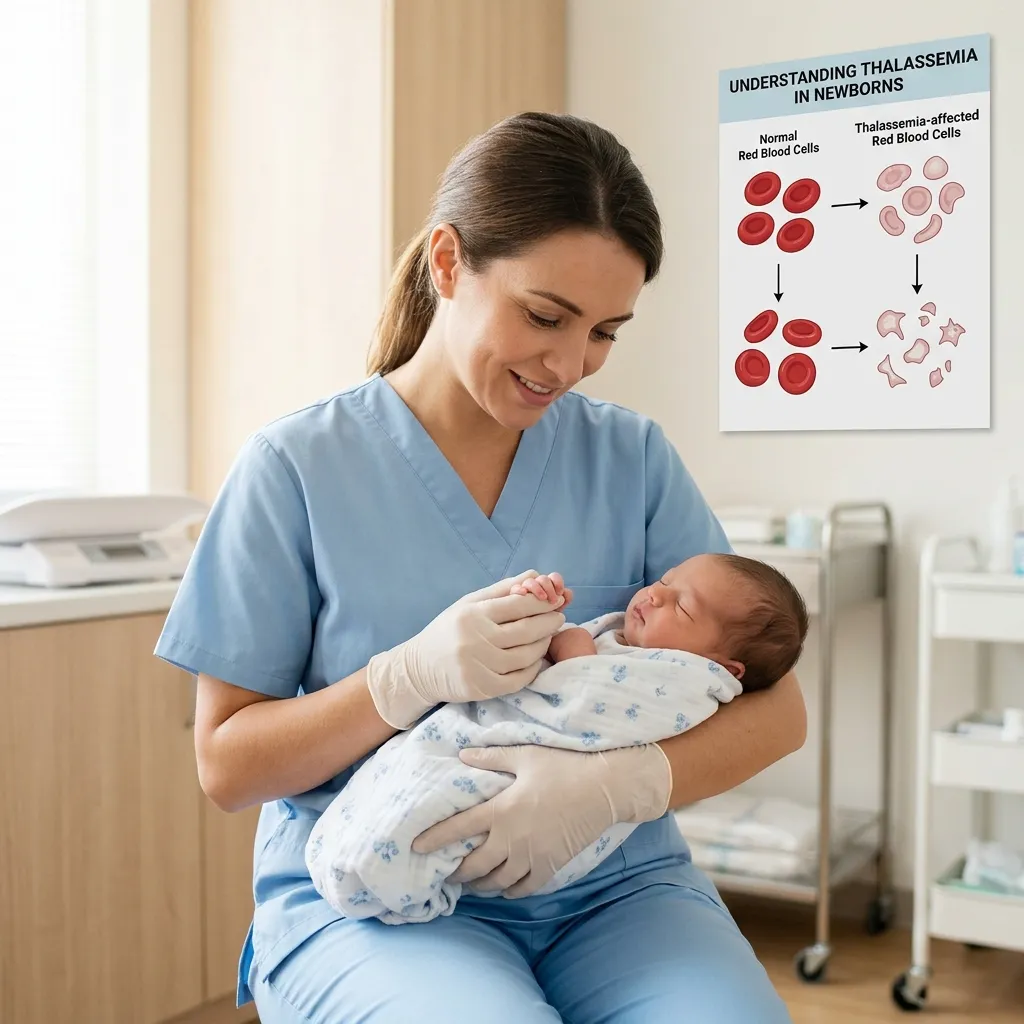
Thalassemia follows an autosomal recessive inheritance pattern. This means that a child must inherit one defective gene from each parent to develop the severe form of the disease. Parents who carry only one mutated gene are called carriers. Carriers usually live entirely healthy lives and may never realize they possess the gene until they have a child diagnosed with the condition.
According to the World Health Organization, approximately 5% of the global population carries a hemoglobin disorder gene. This staggering statistic underscores the importance of proactive family planning. Couples planning a pregnancy should strongly consider genetic counseling for thalassemia to understand their carrier status. Early carrier screening allows prospective parents to make informed decisions and prepare for any necessary medical care before their baby arrives.
What are the most critical neonatal thalassemia warning signs?
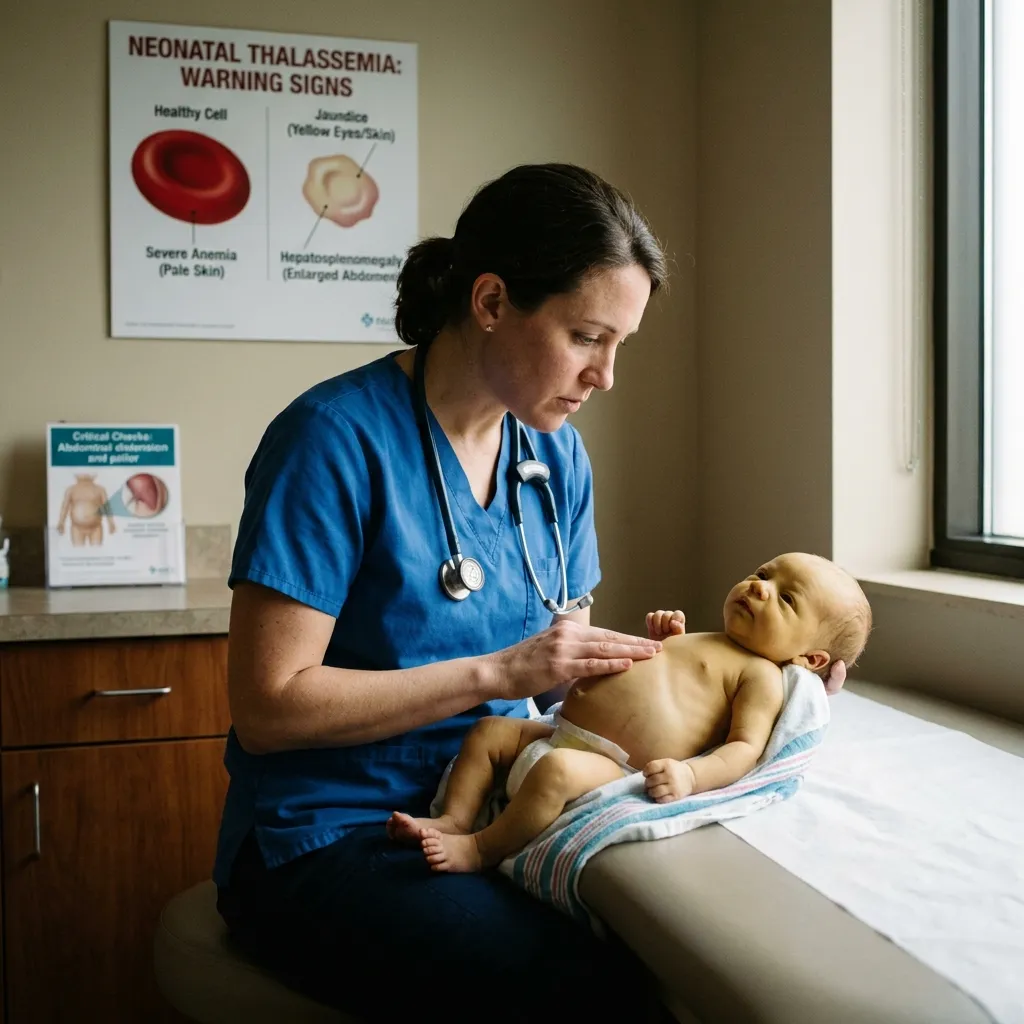 Recognizing neonatal thalassemia warning signs early can drastically improve a child’s prognosis. Without prompt medical intervention, severe anemia can lead to irreversible organ damage and profound developmental delays.
Why is post-birth screening so vital for at-risk infants?
In many regions, newborn screening programs routinely test for hemoglobin disorders shortly after birth. A simple heel-prick blood test can identify abnormal hemoglobin patterns before any physical symptoms emerge. If a newborn screening flags a potential issue, it is absolutely critical for parents to follow up with a pediatric hematologist immediately.
Even if a newborn screening is not standard in your area, families with a known history of blood disorders should request targeted testing for their baby. Catching the disease before it causes organ stress gives the child the best possible start in life. Thalassemia prevention programs globally advocate for universal newborn screening to ensure no child slips through the cracks.
How do symptoms progress if the condition is left untreated?
If thalassemia major is not diagnosed and treated in the early months of life, the symptoms will aggressively worsen. The baby’s anemia will become profound, leading to a constant state of oxygen deprivation. The infant will struggle to gain weight, their immune system will weaken, and they will become highly susceptible to severe infections.
To survive, the child will quickly develop an increased need for regular blood transfusions. If transfusions are delayed, the baby’s bone marrow will expand rapidly in a desperate attempt to produce more red blood cells. This massive bone marrow expansion eventually leads to severe bone deformities, particularly in the skull and face, resulting in a widened forehead and altered jaw structure.
How do doctors differentiate thalassemia from other common neonatal conditions?
Many early signs of thalassemia in newborns mimic other pediatric issues. For example, jaundice is incredibly common in healthy newborns due to immature liver function. However, normal physiological jaundice typically resolves within a week or two. Thalassemia-induced jaundice persists or returns as red blood cells continuously break down at an abnormal rate.
Similarly, pediatricians must distinguish thalassemia from iron deficiency anemia. While both conditions cause low hemoglobin and small red blood cells, giving iron supplements to a baby with thalassemia can actually be toxic. Thalassemia patients often suffer from iron overload, not an iron deficit. Accurate diagnostic testing is the only safe way to confirm the root cause of the anemia.
What are the specific symptoms of beta thalassemia in newborn babies?
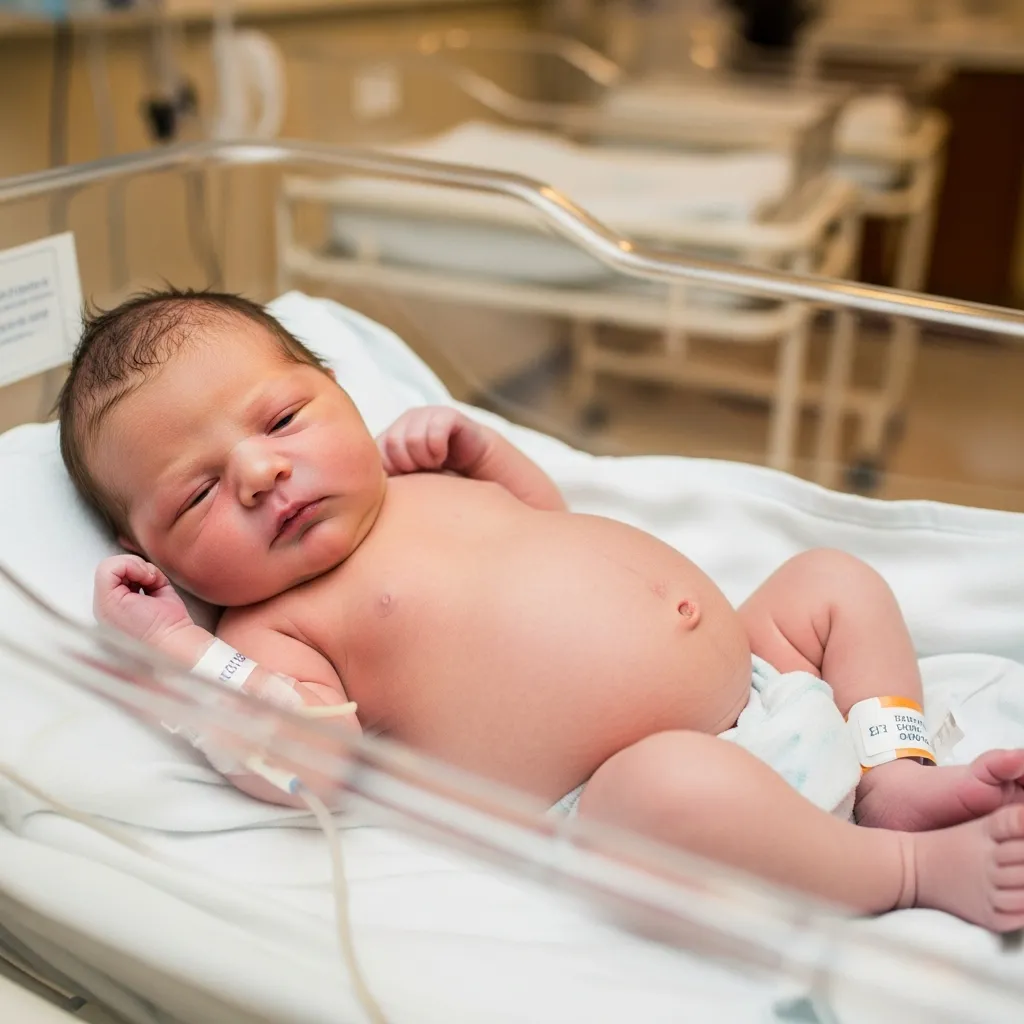 Beta thalassemia is the most common form of the disorder to present symptoms shortly after birth. The severity of beta thalassemia in newborn babies depends entirely on the specific genetic mutations the child inherited.
How does Beta Thalassemia Major present in the first few months?
Beta thalassemia major is characterized by a complete lack of beta-globin production. For the first few months, the baby relies on fetal hemoglobin. But as the infant approaches three to six months of age, fetal hemoglobin levels naturally plummet, and the baby’s body fails to produce adult hemoglobin to replace it.
The onset of severe anemia during this window is rapid. The infant will display extreme pallor, refuse to feed, and experience significant abdominal swelling due to an enlarged spleen and liver. Without immediate and regular blood transfusions, the child’s organs will begin to fail. Frequent transfusions are the primary thalassemia treatment in Bangladesh and around the world to keep these young patients alive and thriving.
How does Beta Thalassemia Intermedia differ in its presentation?
Beta thalassemia intermedia presents a milder clinical picture. Babies with this form of the disorder still produce some functional beta-globin, meaning their anemia is not as immediately life-threatening.
The symptoms of beta thalassemia intermedia often present much later, sometimes not until the child is a toddler or older. These children may experience mild fatigue, a slightly enlarged spleen, or minor growth delays. Their need for blood transfusions is highly variable; some may never need a transfusion, while others may require them occasionally during times of illness, rapid growth, or stress.
Why is knowing your family history so critical?
The single greatest tool for preventing the unexpected onset of beta thalassemia in newborn babies is knowing your family history. Parents who are aware of their carrier status can work with their medical team to monitor their newborn closely from the moment of birth. Early awareness eliminates the dangerous diagnostic delays that often occur when pediatricians mistake thalassemia for routine iron deficiency. For a broader perspective on disease management, the Centers for Disease Control and Prevention (CDC) provides excellent guidelines on living with inherited blood disorders.
