

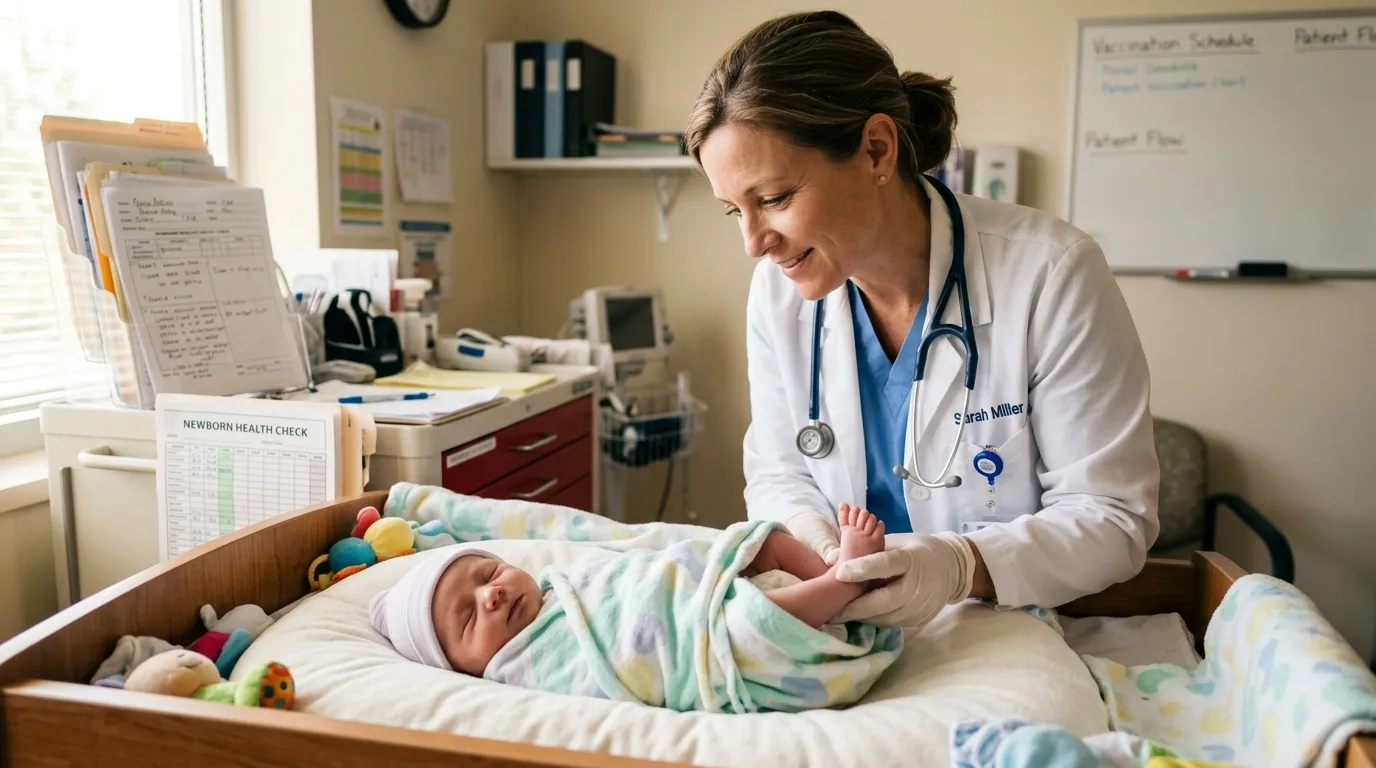
Close Menu

    Subscribe to Updates

    Get the latest creative news from FooBar about art, design and business.

    What's Hot

    Recognizing the Signs of Thalassemia in Newborns

    June 13, 2026

    Thalassemia Symptoms in Children: A Complete Parent’s Guide

    June 11, 2026

    High Thalassemia Prevalence in South Asia: A Care Guide

    June 10, 2026
    Facebook X (Twitter) Instagram
    Saturday, June 13
    Facebook X (Twitter) Instagram Pinterest Vimeo
    My BlogMy Blog
    • Homepage
    • About us
    • Contact us
    My BlogMy Blog
    Home»Thalassemia Awareness»Recognizing the Signs of Thalassemia in Newborns
    Thalassemia Awareness

    Recognizing the Signs of Thalassemia in Newborns

    adminBy adminJune 13, 2026Updated:June 13, 2026No Comments13 Mins Read
    Share Facebook Twitter Pinterest LinkedIn Tumblr Reddit Telegram Email
    Signs of Thalassemia in Newborns
    Share
    Facebook Twitter LinkedIn Pinterest Email

    Signs of thalassemia in newborns may include severe anemia, pale skin, poor feeding, irritability, and slow growth. In some cases, symptoms appear shortly after birth due to reduced hemoglobin production. Early detection through screening and medical evaluation is important to manage complications and support healthy development.

    The primary signs of thalassemia in newborns include pale skin, poor feeding, extreme lethargy, and an enlarged abdomen. While infants often appear healthy at birth, these symptoms typically develop within the first six months as fetal hemoglobin levels naturally decline.

    Bringing a new baby into the world is a joyful experience, but it also comes with a deep responsibility to monitor their health and development. For parents with a family history of blood disorders, paying close attention to early developmental cues is absolutely essential. One such condition that requires early detection is thalassemia, an inherited blood disorder that limits the body’s ability to produce healthy hemoglobin.

    Because babies are born with a special type of hemoglobin that temporarily masks the condition, infants with severe thalassemia often look perfectly healthy at birth. However, as their bodies transition to producing adult hemoglobin over the first few months of life, a lack of healthy red blood cells quickly becomes apparent. Recognizing the early developmental changes associated with this disorder can dramatically improve a child’s long-term health outcomes.

    This post will detail the critical signs of thalassemia in newborns and emphasize why early intervention is so important. By understanding the genetic basis of the disease, recognizing the physical symptoms, and knowing when to consult a pediatrician, parents can take proactive steps to protect their child’s health from day one.

    Early diagnosis of thalassemia in infants can help prevent serious complications such as growth delay and organ stress.
    Regular newborn screening programs play a vital role in detecting blood disorders at an early stage.
    Proper medical care and monitoring can significantly improve the quality of life for affected children.
    Genetic counseling is recommended for families with a history of thalassemia.
    Awareness of early warning signs ensures timely treatment and better long-term outcomes.

    What exactly is thalassemia, and how does it affect newborns?

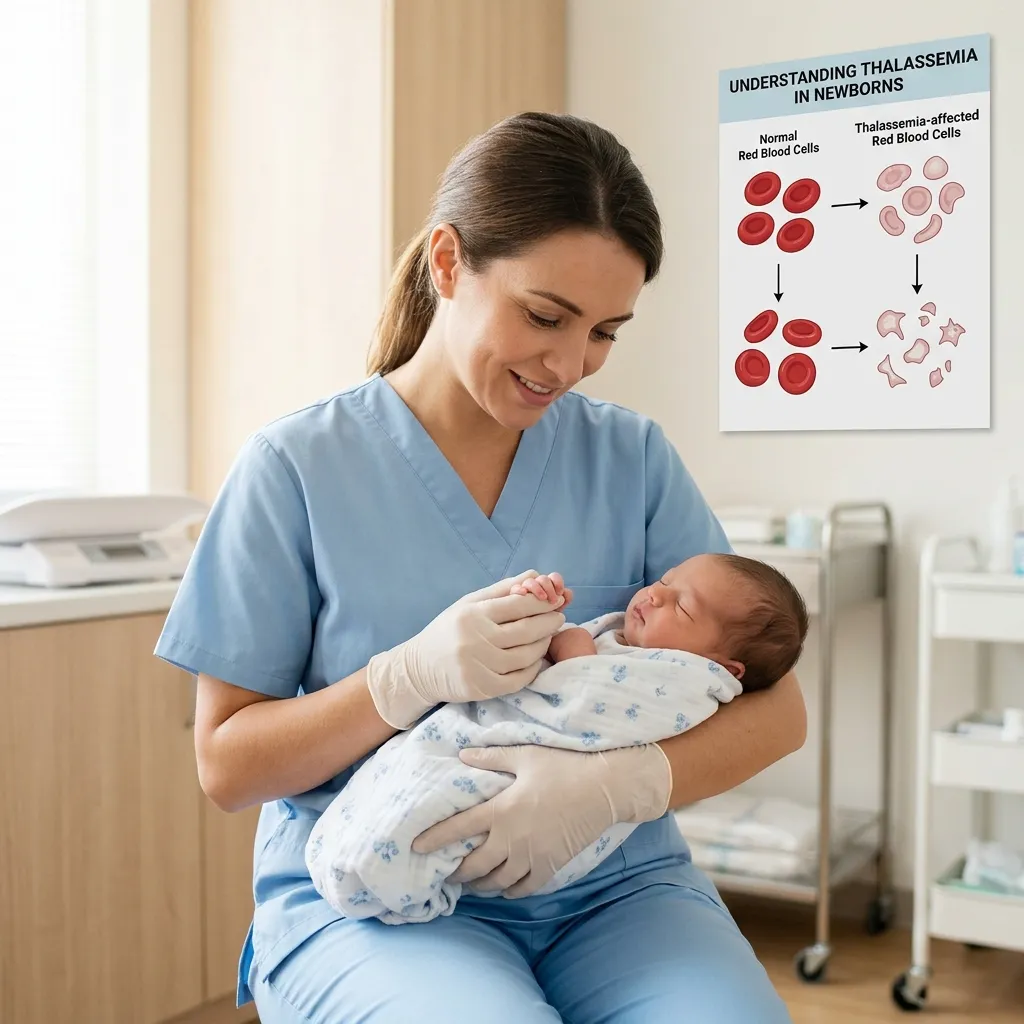
    Thalassemia effects in newbornsTo understand how this condition presents in young children, it helps to first understand the underlying biology. Thalassemia is a genetic blood disorder characterized by the reduced production of hemoglobin, the essential protein inside red blood cells that transports oxygen throughout the body. When hemoglobin levels drop, the body’s organs and tissues suffer from oxygen deprivation. This is a key concept in understanding signs of thalassemia in newborns and early disease progression.

    How do the different types of thalassemia impact infant health?

    Thalassemia is categorized based on which specific protein chain of the hemoglobin molecule is affected. The two main types are alpha thalassemia and beta thalassemia, both of which are important in evaluating newborn blood disorder symptoms.

    Alpha thalassemia occurs when there are mutations in the alpha-globin genes. If a child inherits mutations in all four alpha genes, the condition is known as alpha thalassemia major. This is the most severe form and often results in life-threatening complications before or shortly after birth. Babies born with three mutated genes have Hemoglobin H disease, which causes moderate to severe anemia that requires close medical supervision and is closely linked with early symptoms of thalassemia in infants.

    Beta thalassemia involves mutations in the beta-globin genes. Children who inherit one mutated gene generally have beta thalassemia minor and may never show noticeable symptoms. However, inheriting two mutated genes leads to beta thalassemia major (also known as Cooley’s anemia) or beta thalassemia intermedia. Children with beta thalassemia major rely on regular lifelong blood transfusions to survive. This condition is a major focus in pediatric hematology and genetic blood disorders due to its long-term health impact.

    Why is genetic inheritance and carrier screening important?

    Thalassemia follows an autosomal recessive inheritance pattern. This means that a child must inherit one defective gene from each parent to develop the severe form of the disease. Parents who carry only one mutated gene are called carriers. Carriers usually live entirely healthy lives and may never realize they possess the gene until they have a child diagnosed with the condition.

    According to the World Health Organization, approximately 5% of the global population carries a hemoglobin disorder gene. This staggering statistic underscores the importance of proactive family planning. Couples planning a pregnancy should strongly consider genetic counseling for thalassemia to understand their carrier status. Early carrier screening allows prospective parents to make informed decisions and prepare for any necessary medical care before their baby arrives.

    What are the early symptoms of thalassemia in infants?

    In children born with severe beta thalassemia, symptoms rarely appear on the very first day of life. Infants are born with fetal hemoglobin, which functions differently from adult hemoglobin and temporarily protects them from the effects of the genetic mutation. As fetal hemoglobin naturally depletes between two and six months of age, the early symptoms of thalassemia in infants begin to surface. This stage is often where signs of thalassemia in newborns become more noticeable to parents and clinicians.

    What general observations should parents look for in neonates?

    One of the first signs of thalassemia in newborns is an unusual lack of energy. Without enough oxygen reaching their tissues, infants tire very easily. Parents might notice that their baby falls asleep in the middle of feeding or lacks the stamina to finish a bottle. This poor feeding directly contributes to a failure to thrive, meaning the infant does not gain weight or grow at the expected rate for their age.

    Additionally, babies with severe anemia often exhibit extreme fussiness or lethargy. They may seem constantly uncomfortable or completely unresponsive to typical stimuli. Another visible indicator is pale skin or jaundice. Jaundice causes the skin and the whites of the eyes to take on a yellowish tint. While mild jaundice is common in many healthy newborns, persistent or recurring jaundice after the first few weeks of life is considered an important warning sign in early symptoms of thalassemia in infants and requires medical evaluation.

    Which specific physical signs indicate severe anemia?

    As the body struggles to cope with the lack of healthy red blood cells, internal organs begin to work overtime. The spleen, which is responsible for filtering out old and damaged red blood cells, often becomes dangerously enlarged. This condition, known as splenomegaly, can cause the baby’s abdomen to look noticeably swollen or firm to the touch.

    Hepatomegaly, or an enlarged liver, is another physical sign. The liver attempts to compensate for the severe anemia by producing extra red blood cells, causing it to swell. Parents noticing unexplained abdominal swelling in their infant should contact their pediatrician right away. These clinical features are commonly discussed in newborn blood disorder symptoms within pediatric hematology practice.

    How do doctors use hematological indicators to confirm the disorder?

    When a doctor suspects a blood disorder, they will order a Complete Blood Count (CBC). This test measures the amount of hemoglobin in the blood. Infants with severe thalassemia will show profound anemia.

    The CBC will also reveal abnormal red blood cell morphology. The red blood cells of a baby with thalassemia are typically much smaller than normal (microcytosis) and appear unusually pale (hypochromia) under a microscope. To differentiate thalassemia from standard iron deficiency anemia, doctors perform a hemoglobin electrophoresis test to analyze the specific types of hemoglobin present in the baby’s blood. This diagnostic pathway is a key part of modern pediatric hematology and genetic blood disorders evaluation and helps confirm suspected signs of thalassemia in newborns early for timely treatment and intervention. For more information on how doctors approach childhood diagnoses, parents can read our comprehensive guide on thalassemia symptoms in children.

    What are the most critical neonatal thalassemia warning signs?
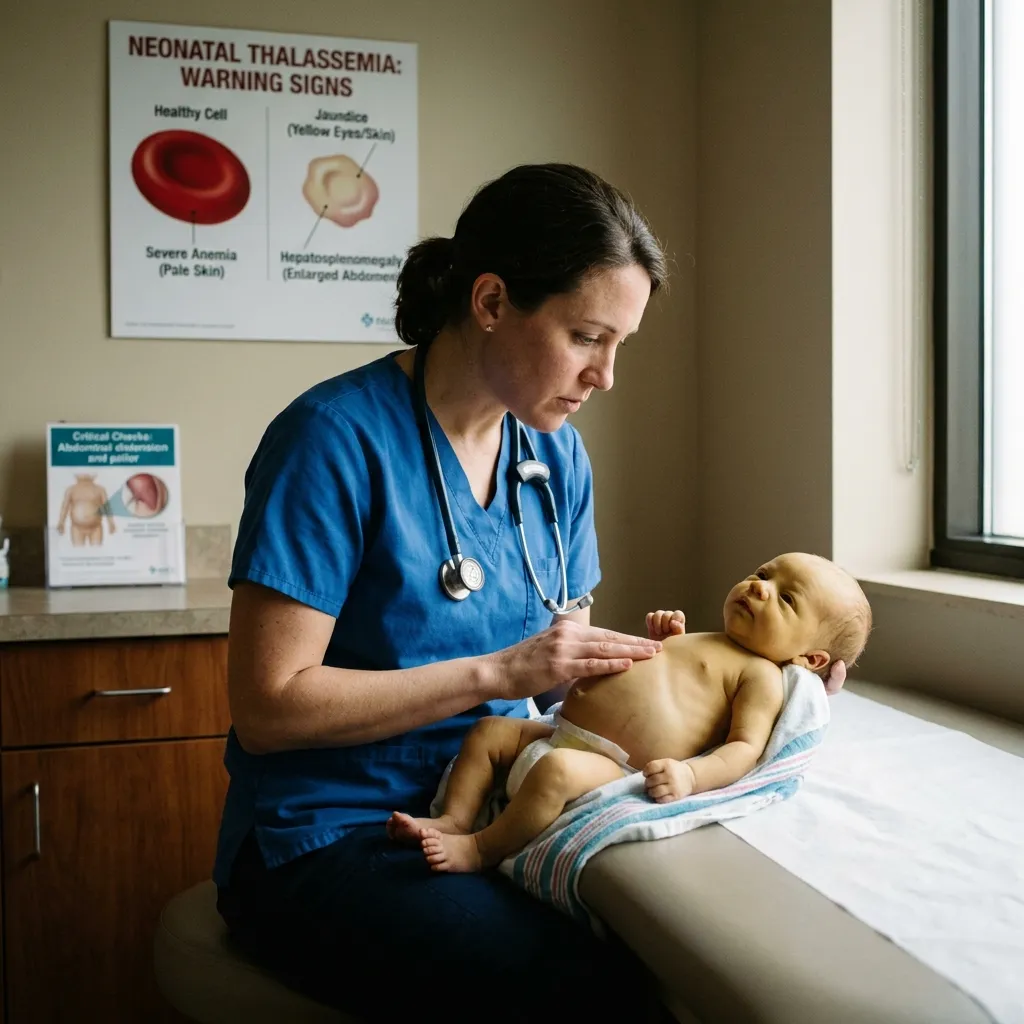
    Neonatal thalassemia warning signsRecognizing neonatal thalassemia warning signs early can drastically improve a child’s prognosis. Without prompt medical intervention, severe anemia can lead to irreversible organ damage and profound developmental delays.

    Why is post-birth screening so vital for at-risk infants?

    In many regions, newborn screening programs routinely test for hemoglobin disorders shortly after birth. A simple heel-prick blood test can identify abnormal hemoglobin patterns before any physical symptoms emerge. If a newborn screening flags a potential issue, it is absolutely critical for parents to follow up with a pediatric hematologist immediately.

    Even if a newborn screening is not standard in your area, families with a known history of blood disorders should request targeted testing for their baby. Catching the disease before it causes organ stress gives the child the best possible start in life. Thalassemia prevention programs globally advocate for universal newborn screening to ensure no child slips through the cracks.

    How do symptoms progress if the condition is left untreated?

    If thalassemia major is not diagnosed and treated in the early months of life, the symptoms will aggressively worsen. The baby’s anemia will become profound, leading to a constant state of oxygen deprivation. The infant will struggle to gain weight, their immune system will weaken, and they will become highly susceptible to severe infections.

    To survive, the child will quickly develop an increased need for regular blood transfusions. If transfusions are delayed, the baby’s bone marrow will expand rapidly in a desperate attempt to produce more red blood cells. This massive bone marrow expansion eventually leads to severe bone deformities, particularly in the skull and face, resulting in a widened forehead and altered jaw structure.

    How do doctors differentiate thalassemia from other common neonatal conditions?

    Many early signs of thalassemia in newborns mimic other pediatric issues. For example, jaundice is incredibly common in healthy newborns due to immature liver function. However, normal physiological jaundice typically resolves within a week or two. Thalassemia-induced jaundice persists or returns as red blood cells continuously break down at an abnormal rate.

    Similarly, pediatricians must distinguish thalassemia from iron deficiency anemia. While both conditions cause low hemoglobin and small red blood cells, giving iron supplements to a baby with thalassemia can actually be toxic. Thalassemia patients often suffer from iron overload, not an iron deficit. Accurate diagnostic testing is the only safe way to confirm the root cause of the anemia.

    What are the specific symptoms of beta thalassemia in newborn babies?
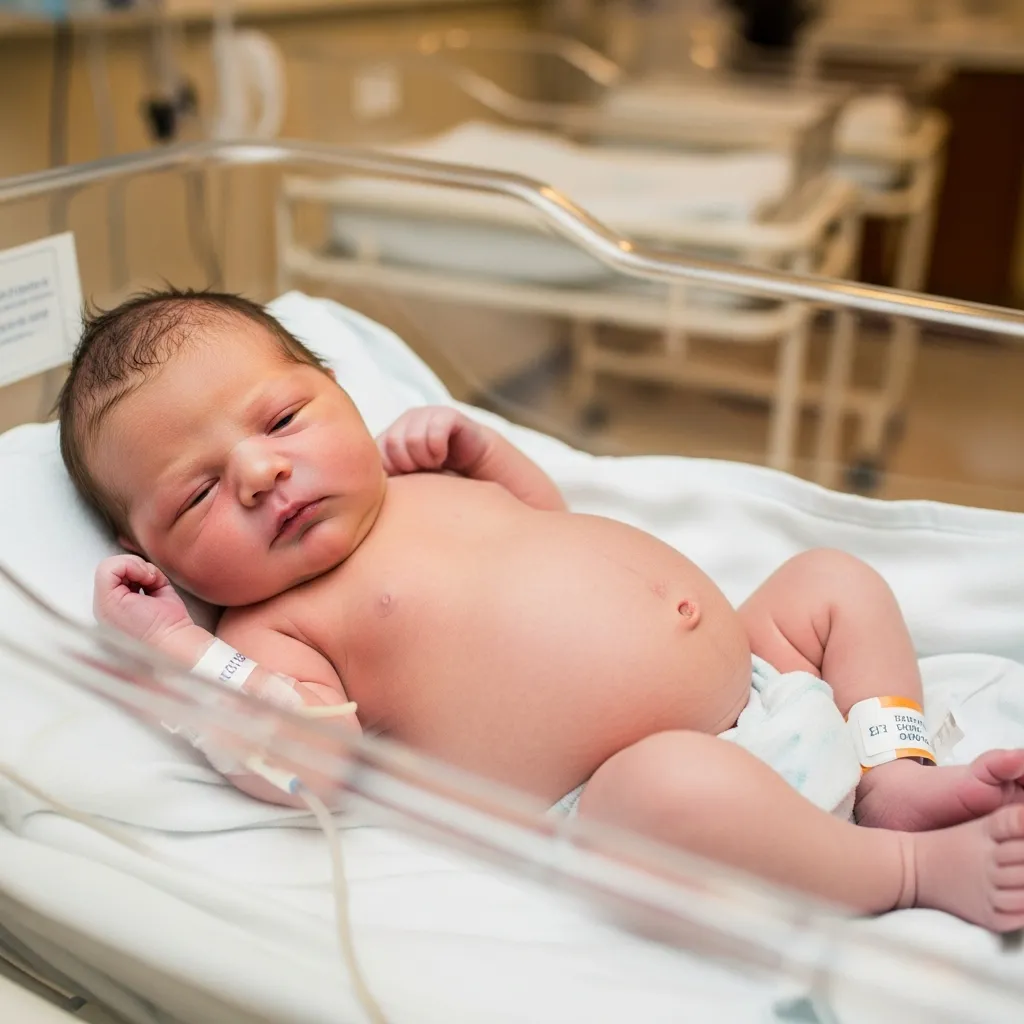
    Symptoms of beta thalassemia in newborn babiesBeta thalassemia is the most common form of the disorder to present symptoms shortly after birth. The severity of beta thalassemia in newborn babies depends entirely on the specific genetic mutations the child inherited.

    How does Beta Thalassemia Major present in the first few months?

    Beta thalassemia major is characterized by a complete lack of beta-globin production. For the first few months, the baby relies on fetal hemoglobin. But as the infant approaches three to six months of age, fetal hemoglobin levels naturally plummet, and the baby’s body fails to produce adult hemoglobin to replace it.

    The onset of severe anemia during this window is rapid. The infant will display extreme pallor, refuse to feed, and experience significant abdominal swelling due to an enlarged spleen and liver. Without immediate and regular blood transfusions, the child’s organs will begin to fail. Frequent transfusions are the primary thalassemia treatment in Bangladesh and around the world to keep these young patients alive and thriving.

    How does Beta Thalassemia Intermedia differ in its presentation?

    Beta thalassemia intermedia presents a milder clinical picture. Babies with this form of the disorder still produce some functional beta-globin, meaning their anemia is not as immediately life-threatening.

    The symptoms of beta thalassemia intermedia often present much later, sometimes not until the child is a toddler or older. These children may experience mild fatigue, a slightly enlarged spleen, or minor growth delays. Their need for blood transfusions is highly variable; some may never need a transfusion, while others may require them occasionally during times of illness, rapid growth, or stress.

    Why is knowing your family history so critical?

    The single greatest tool for preventing the unexpected onset of beta thalassemia in newborn babies is knowing your family history. Parents who are aware of their carrier status can work with their medical team to monitor their newborn closely from the moment of birth. Early awareness eliminates the dangerous diagnostic delays that often occur when pediatricians mistake thalassemia for routine iron deficiency. For a broader perspective on disease management, the Centers for Disease Control and Prevention (CDC) provides excellent guidelines on living with inherited blood disorders.

    Conclusion

    Discovering that your newborn might be facing a chronic illness is an incredibly daunting experience. However, medical science has advanced remarkably in the management of inherited blood disorders. Children diagnosed with thalassemia today have access to safer transfusions, highly effective iron chelation therapies, and potentially curative treatments like stem cell transplants.

    If you observe extreme paleness, persistent jaundice, unexplained fussiness, or abdominal swelling in your baby, do not hesitate to contact your pediatrician. These are important signs of thalassemia in newborns that should never be ignored. Request a complete blood count and mention any family history of anemia. Early detection, consistent medical care, and a strong support system are the keys to ensuring a child with thalassemia can grow up to live a full and rewarding life.

    Frequently Asked Questions About Neonatal Thalassemia

    1. At what age do the signs of thalassemia in newborns typically appear?

    Newborns usually appear healthy at birth because they still possess fetal hemoglobin. Early symptoms of thalassemia in infants typically begin to emerge between 3 and 6 months of age as fetal hemoglobin is replaced by adult hemoglobin.

    2. Can thalassemia be detected before a baby is born?

    Yes. If parents know they are carriers, doctors can perform prenatal tests such as chorionic villus sampling (CVS) or amniocentesis during pregnancy to determine if the baby has the disorder. This is an important part of pediatric hematology and genetic blood disorders screening.

    3. What is the difference between thalassemia and regular anemia in babies?

    Regular anemia is often caused by iron deficiency and can be treated with supplements. Thalassemia is a genetic condition affecting hemoglobin production, and iron supplementation can be harmful in these cases. Proper diagnosis is essential when evaluating newborn blood disorder symptoms.

    4. Why does a baby with thalassemia develop an enlarged stomach?

    The spleen and liver overwork to manage defective red blood cells, causing organ enlargement and abdominal swelling. This is commonly seen in severe signs of thalassemia in newborns.

    5. Is jaundice a definite sign of thalassemia?

    Not always. Mild jaundice is common in healthy newborns, but prolonged or recurrent jaundice may indicate underlying blood disorders, including early symptoms of thalassemia in infants.

    6. Are there different severity levels of thalassemia in infants?

    Yes. Severity ranges from silent carrier states to thalassemia major requiring lifelong treatment. These variations fall under broader genetic blood disorders classifications.

    7. How often will a baby with thalassemia major need blood transfusions?

    Infants with thalassemia major typically require blood transfusions every 2 to 4 weeks to maintain healthy growth and prevent complications.

    8. Can a baby outgrow thalassemia?

    No. Thalassemia is a lifelong genetic condition, but proper treatment can significantly improve quality of life. In some cases, stem cell transplantation offers a potential cure.

    9. What should I do if my baby is struggling to feed and seems constantly tired?

    These may be warning signs of severe anemia and should be evaluated immediately. Doctors often check for signs of thalassemia in newborns using a complete blood count (CBC).

    10. Does a newborn screening test catch all forms of thalassemia?

    Newborn screening can detect many severe forms early, but coverage varies by region. Families with a history of genetic blood disorders should request targeted testing for accurate diagnosis.

    Genetic Blood Disorder Infant Anemia Newborn Health Pediatric Hematology Thalassemia Symptoms
    Share. Facebook Twitter Pinterest LinkedIn Tumblr Email
    Previous ArticleThalassemia Symptoms in Children: A Complete Parent’s Guide
    admin
    • Website

    Related Posts

    Thalassemia Awareness

    Thalassemia Symptoms in Children: A Complete Parent’s Guide

    June 11, 2026
    Thalassemia Awareness

    High Thalassemia Prevalence in South Asia: A Care Guide

    June 10, 2026
    Thalassemia Awareness

    Thalassemia Awareness in Bangladesh: A Lifesaving Guide

    June 9, 2026
    Add A Comment
    Leave A Reply Cancel Reply

    Top Posts

    Foods to Avoid in Thalassemia: A Complete Diet and Nutrition Guide

    May 9, 20269 Views

    A Complete Guide to Thalassemia Blood Transfusion Frequency

    May 3, 20269 Views

    Strengthening Support Networks for Thalassemia Affiliates

    April 6, 20269 Views
    Latest Reviews
    Stay In Touch
    • Facebook
    • YouTube
    • TikTok
    • WhatsApp
    • Twitter
    • Instagram
    Facebook X (Twitter) Instagram Pinterest
    • About us
    • Contact us
    • Privacy Policy
    • Terms and Conditions
    © 2026 Thalassemiacarehub. All Rights Reserved.

    Type above and press Enter to search. Press Esc to cancel.