


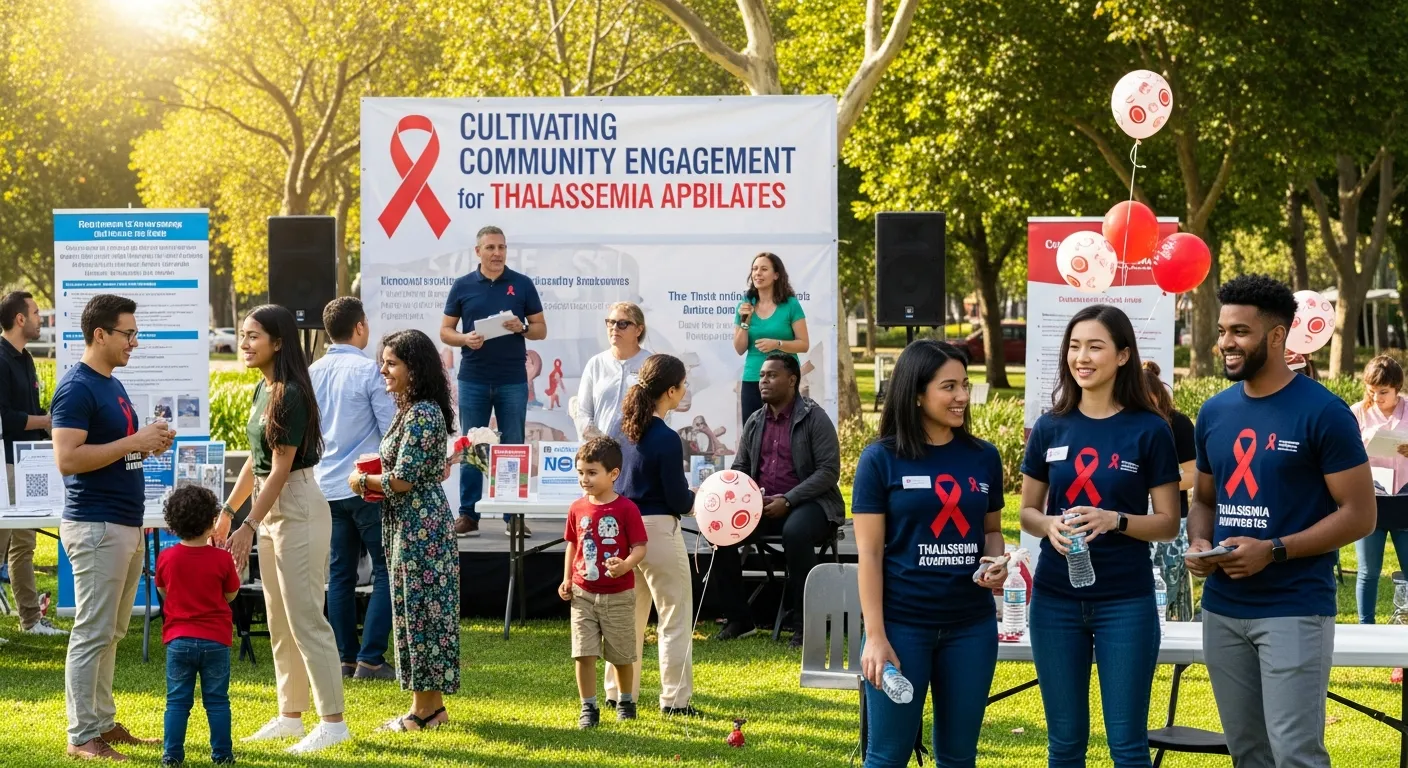
Unlock the power of Thalassemia Community Engagement. This comprehensive guide explores actionable strategies for Thalassemia affiliates to build vibrant, supportive communities, fostering collaboration and maximizing impact for patients and caregivers looking to make a meaningful, lasting difference.
Organizations supporting chronic health conditions require strong, dedicated networks to thrive. For affiliates managing rare and complex blood disorders, bringing people together is not just a secondary goal; it is a fundamental necessity. Thalassemia Community Engagement serves as the primary engine driving awareness, funding, and critical patient support systems.
When affiliates successfully unite patients, medical professionals, and local advocates, the resulting synergy accelerates progress in healthcare access and policy reform. By applying proven communication techniques, organizations can transform passive observers into active participants. This guide details exactly how to structure your outreach, applying both modern digital marketing tactics and time-tested traditional approaches to foster a deeply connected network.
The Foundation of Thalassemia Community Engagement
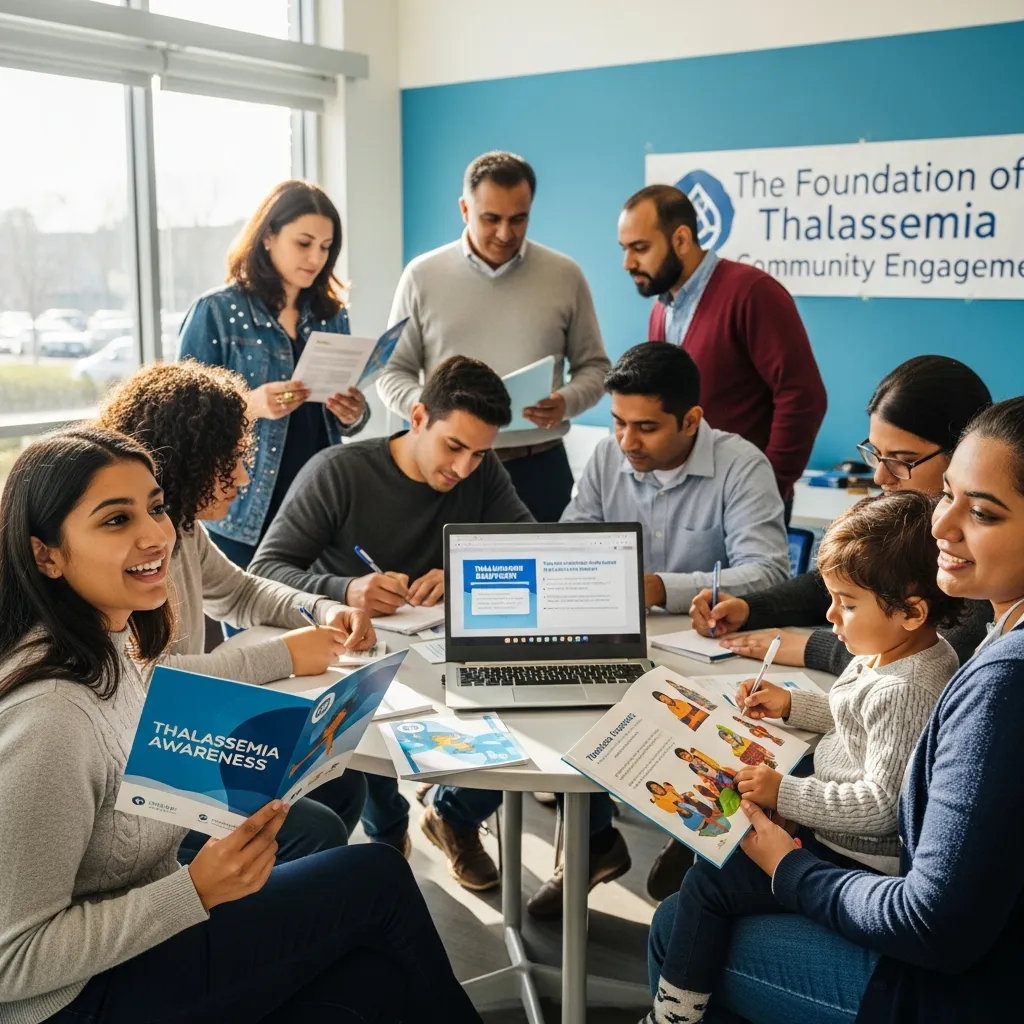 Building a robust support network starts with a solid strategic framework. Organizations must clearly define their purpose, align their resources, and establish a culture of transparency before they can expect significant participation.
Building Blocks for a Strong Community
Successful Thalassemia Community Engagement requires a structured approach to relationship building. You need a clear mission statement that resonates with your core demographic. People naturally gravitate toward organizations that articulate a compelling vision for the future.
To create this foundation, affiliates should focus on establishing trust and consistent communication. Regular updates about ongoing research, funding milestones, and policy changes keep the community informed. Transparency in how funds are allocated and how decisions are made ensures that members feel valued and respected. Furthermore, establishing clear roles for volunteers and advocates gives individuals a sense of ownership, making them more likely to remain engaged over the long term.
Suggested Image Alt Text: Diverse group of people collaborating on a community project.
Understanding Your Audience
Any effective marketing or outreach strategy begins with audience analysis. To foster meaningful Thalassemia Community Engagement, affiliates must understand the specific needs, pain points, and preferences of their community members.
Creating detailed audience personas helps segment your messaging. A caregiver managing a child’s weekly treatments requires different information than a young adult navigating career choices while managing their condition. Medical professionals and researchers also form a distinct segment of your audience, looking for collaborative opportunities and clinical updates.
By conducting surveys and hosting focus groups, affiliates can gather qualitative data directly from these groups. This information allows you to tailor your communication strategies, ensuring that the right message reaches the right people at the most opportune time.
Digital Strategies for Thalassemia Community Engagement
Digital marketing provides unparalleled tools for reaching a geographically dispersed audience. Utilizing online platforms effectively allows affiliates to scale their outreach, share vital educational resources, and build an interactive digital ecosystem.
Leveraging Social Media Platforms
Social media marketing is highly effective for driving Thalassemia Community Engagement. Platforms like Facebook, Instagram, and LinkedIn offer unique ways to connect with different segments of your audience.
Facebook groups provide a secure, private space for patients and caregivers to share personal experiences and seek peer support. Instagram is ideal for visual storytelling, allowing organizations to highlight successful events, share patient testimonials, and promote awareness campaigns using specific hashtags. LinkedIn is the premier platform for connecting with healthcare professionals, researchers, and potential corporate sponsors.
To maximize reach, affiliates should post consistently and interact with followers by responding to comments and participating in relevant discussions. Utilizing social media analytics helps track engagement rates and adjust the content strategy to better serve the community.
Suggested Image Alt Text: Social media icons surrounding a Thalassemia awareness ribbon.
Creating Engaging Content
Content marketing is the backbone of digital engagement. Providing high-quality, valuable information establishes your affiliate as a trusted authority.
Develop a robust content calendar that includes a mix of blog posts, infographics, video interviews, and downloadable resource guides. Educational content explaining complex medical terms in plain language is highly valuable for newly diagnosed patients. Sharing stories of resilience and triumph fosters emotional connections and encourages others to share their own journeys.
For a deeper look into creating impactful content and improving clinical teamwork, explore our guide on Thalassemia Collaborative Strategies. By linking your content to comprehensive guides, you provide your audience with actionable, extensive knowledge. Furthermore, aligning your content strategy with search engine optimization (SEO) best practices ensures that people searching for support can easily find your organization online. For foundational marketing guidelines on creating valuable content, the experts at Content Marketing Institute offer excellent frameworks for non-profits and healthcare affiliates.
Website and Online Forums
Your organization’s website serves as the central hub for Thalassemia Community Engagement. It should be user-friendly, mobile-responsive, and easily navigable.
Include a dedicated forum or discussion board on your site. Unlike social media algorithms that can bury important posts, a hosted forum allows you to organize discussions by topic, making it easier for users to find relevant information. Ensure that your website features clear calls-to-action (CTAs), prompting visitors to subscribe to newsletters, register for events, or volunteer their time. Regularly updating the website with fresh content signals to search engines and users alike that your organization is active and authoritative.
Traditional Approaches to Thalassemia Community Engagement
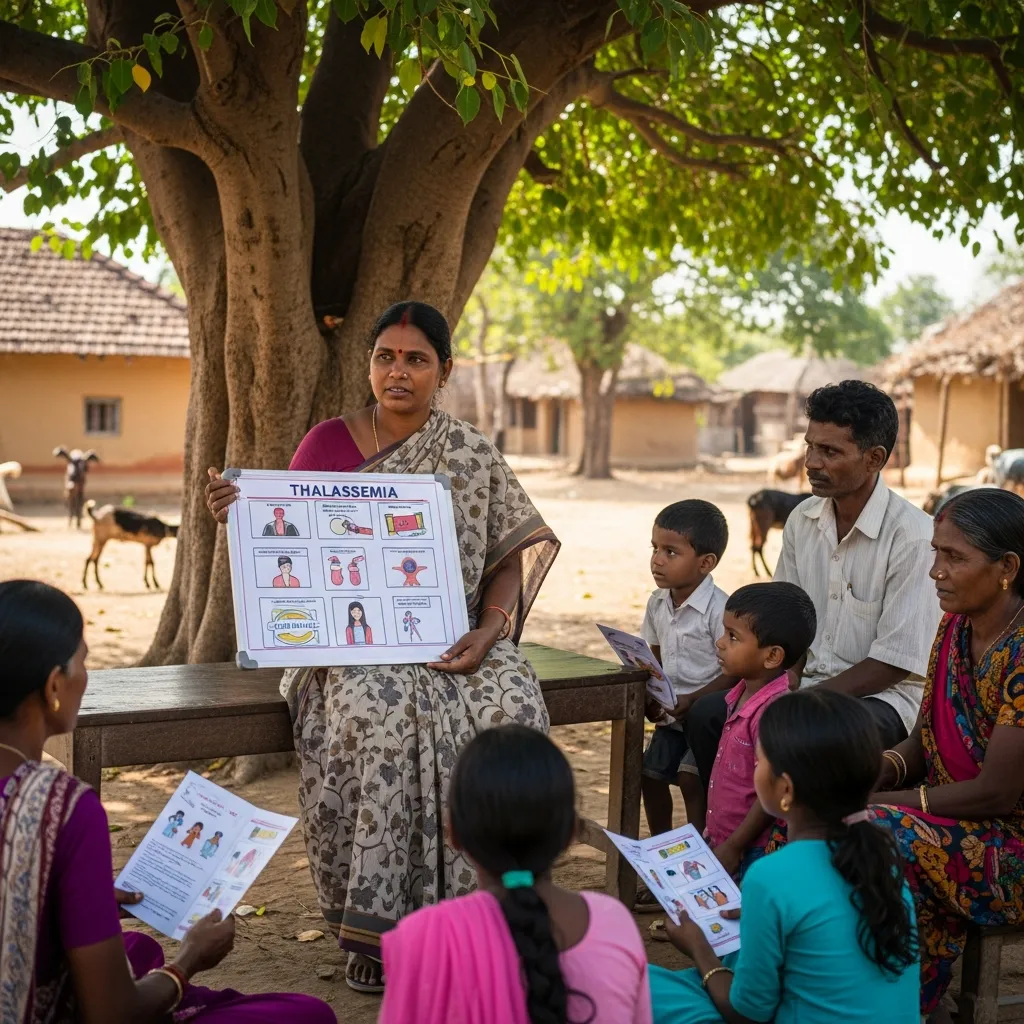 While digital tactics offer broad reach, traditional grassroots marketing builds deep, localized trust. Face-to-face interactions remain a highly effective way to solidify relationships and generate localized support.
Organizing Local Events and Workshops
In-person events create a tangible sense of belonging. Hosting educational workshops, medical seminars, and casual meet-and-greets provides community members with safe spaces to interact.
When planning these events, consider partnering with local hospitals or community centers to secure accessible venues. Invite guest speakers, such as hematologists or specialized dietitians, to provide expert insights. Blood donation drives are particularly impactful events that directly support the community while simultaneously raising public awareness. Event marketing strategies, such as distributing flyers in local clinics and securing mentions in regional newspapers, help drive attendance and boost local visibility.
Suggested Image Alt Text: Community event with people interacting and smiling.
Partnerships and Collaborations
No affiliate should operate in a silo. Strategic collaborations amplify your resources and expand your network.
Partnering with local businesses, academic institutions, and other non-profit organizations creates mutual benefits. For instance, corporate sponsors can provide funding or in-kind donations for events, while your affiliate offers them an opportunity to fulfill their corporate social responsibility (CSR) goals. Building these alliances requires clear communication and shared objectives. To understand how to structure these alliances effectively, review our detailed breakdown on Empowering Thalassemia Affiliates: Building Partnerships. Cross-promotional campaigns with partner organizations can drastically increase your outreach and credibility.
Volunteer Programs
A robust volunteer program is the lifeblood of grassroots Thalassemia Community Engagement. Volunteers act as brand ambassadors, spreading your mission through word-of-mouth marketing.
Create clearly defined volunteer roles, ranging from event coordination to administrative support. Offering comprehensive training ensures that volunteers feel confident and equipped to represent your organization accurately. Recognize and reward their contributions regularly through appreciation events or public spotlights in your newsletter. A highly motivated volunteer base dramatically increases your organizational capacity and community impact.
Measuring and Sustaining Thalassemia Community Engagement
To ensure long-term success, affiliates must track their progress and remain adaptable. Data-driven decision-making allows organizations to optimize their strategies and allocate resources efficiently.
Key Metrics for Success
Establishing Key Performance Indicators (KPIs) is critical for evaluating your marketing and outreach efforts.
Digital metrics might include website traffic, email open rates, and social media engagement (likes, shares, comments). For traditional outreach, track event attendance, volunteer retention rates, and the number of new community partnerships formed. Using specialized tools allows you to measure these data points accurately. For comprehensive insights into tracking digital behavior, resources from Google Analytics provide essential frameworks for monitoring online community interactions.
Suggested Image Alt Text: Analytics dashboard showing community engagement metrics.
Feedback and Adaptation
Quantitative data only tells part of the story; qualitative feedback provides context.
Regularly distribute surveys to your community members asking for their input on recent events, digital content, and overall satisfaction. Host informal feedback sessions to allow members to voice their opinions openly. When the community sees that their suggestions lead to tangible changes, their trust in the organization deepens. Agility is a vital trait for any affiliate; you must be willing to pivot your strategies based on the feedback you receive.
Long-Term Engagement Strategies
Sustaining Thalassemia Community Engagement requires consistent effort over time.
Implement loyalty and recognition programs to celebrate long-term members and dedicated advocates. Maintain a consistent communication schedule, ensuring that your audience always knows what to expect and when. Continuously introduce new initiatives, such as mentorship programs or regional advocacy campaigns, to keep the community energized and focused on future goals. By treating community engagement as a continuous lifecycle rather than a one-off campaign, affiliates guarantee their long-term relevance and impact.
Empowering Affiliates for Future Impact
 Cultivating a dedicated network is an ongoing process that requires strategic planning, empathy, and consistent execution. By blending modern digital content strategies with traditional grassroots event marketing, organizations can build a powerful, supportive ecosystem. Thalassemia Community Engagement is not just about increasing numbers; it is about fostering genuine connections that lead to better patient outcomes, increased funding, and stronger legislative advocacy. Take these actionable steps today, implement strong feedback loops, and watch your community grow into a resilient, united force for change.
Conclusion
FAQs
Q1: What is the most effective way to start Thalassemia Community Engagement?
Start by clearly defining your organization’s mission and understanding your target audience through surveys and direct outreach. Establishing a strong core message helps attract and retain interested patients, caregivers, and medical professionals.
Q2: How can social media be used effectively for Thalassemia Community Engagement?
Use platforms like Facebook and Instagram to share educational content, patient stories, and event updates. Engaging with followers directly through comments and targeted groups builds a sense of belonging and expands your digital reach.
Q3: What are some examples of successful Thalassemia Community Engagement events?
Successful events include local blood donation drives, educational medical seminars with guest hematologists, and informal support group meetups that provide safe spaces for patients and families to connect.
Q4: How important is personalized communication in Thalassemia Community Engagement?
Highly important. Segmenting your audience (e.g., separating caregiver resources from medical professional updates) ensures that your messaging is highly relevant, which increases open rates and overall participation.
Q5: What challenges can arise in Thalassemia Community Engagement and how can they be overcome?
Common challenges include volunteer burnout and low event attendance. Overcome these by recognizing volunteer efforts regularly, varying your event types (hybrid, virtual, in-person), and actively seeking feedback to improve future initiatives.
Q6: How can affiliates measure the impact of their Thalassemia Community Engagement efforts?
Track Key Performance Indicators (KPIs) such as website traffic, social media interactions, event attendance, and survey feedback. Using analytics tools helps you understand what strategies are working.
Q7: What role do volunteers play in fostering Thalassemia Community Engagement?
Volunteers act as grassroots brand ambassadors. They help organize events, manage community outreach, and provide peer support, multiplying the organization’s capacity to serve the community.
Q8: How can Thalassemia Community Engagement benefit patients directly?
It provides patients with crucial educational resources, emotional support from peers, and access to medical experts. An engaged community also advocates more effectively for better healthcare policies and treatments.
Q9: What are some ethical considerations in Thalassemia Community Engagement?
Affiliates must prioritize patient privacy, ensure all medical information shared is accurate and verified by professionals, and maintain transparency regarding how donations and funding are utilized.
Q10: Where can I find resources to improve my Thalassemia Community Engagement strategies?
You can leverage marketing resources from sites like the Content Marketing Institute, utilize data tracking via Google Analytics, and read specialized guides available directly through your affiliate network’s online hubs.
