


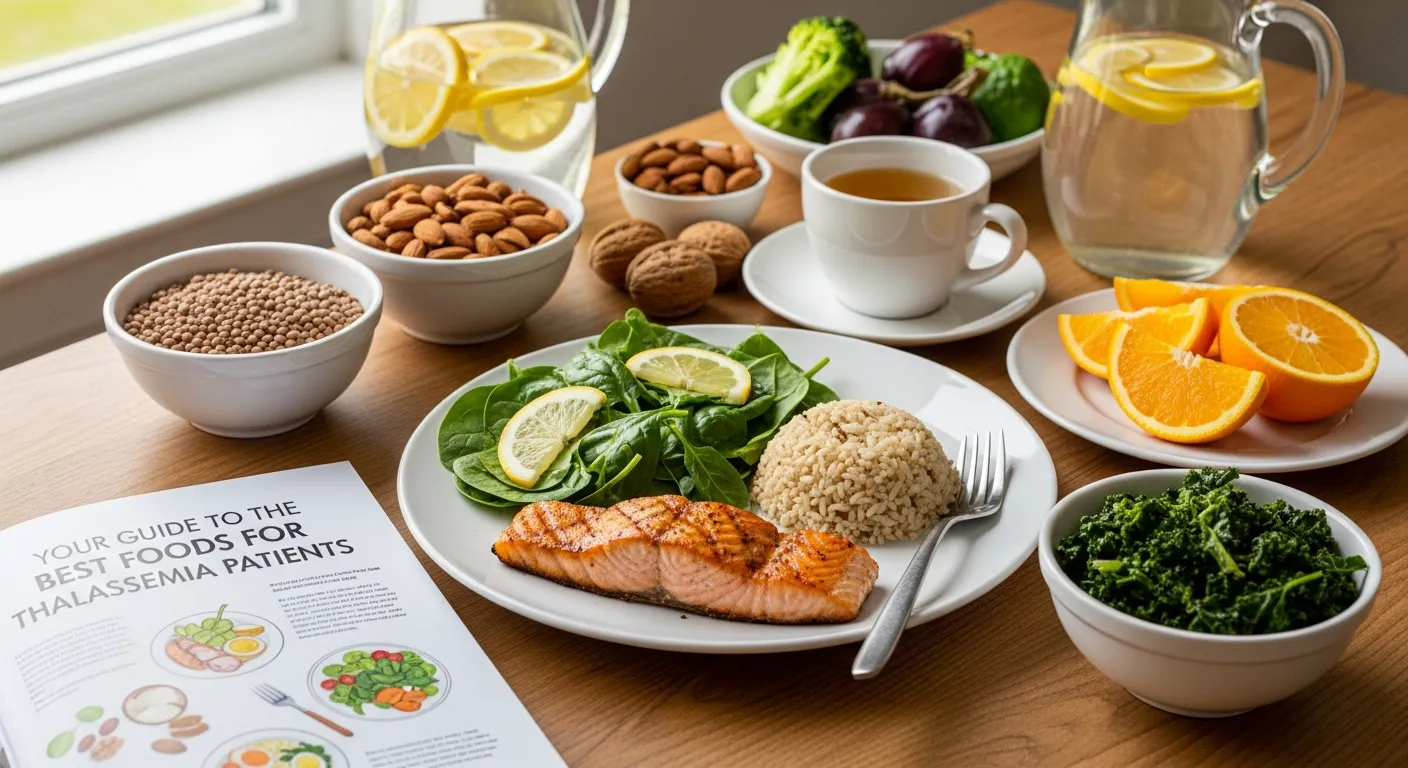
Best foods for thalassemia patients focus on supporting healthy blood production, maintaining balanced nutrition, and managing iron levels effectively. A well-planned diet includes nutrient-rich foods such as fruits, vegetables, whole grains, lean proteins, and folate-rich options to support red blood cell formation. Proper dietary choices help improve energy levels, boost immunity, and complement medical treatment for thalassemia management.
Living with a genetic blood disorder requires careful attention to your daily habits. Because thalassemia affects how your body produces hemoglobin—the essential protein red blood cells use to carry oxygen—you might frequently experience fatigue and anemia. While medical treatments like blood transfusions are standard, your daily nutrition plays a surprisingly large role in how you feel.
Diet cannot cure a genetic condition, but the right nutritional choices help your body function more efficiently. Managing this condition involves balancing essential nutrients while actively preventing the dangerous buildup of excess minerals in your organs. By focusing on the best foods for thalassemia patients, you can support your blood health, maintain strong bones, and protect your vital organs.
A well-structured eating plan also helps reduce complications linked to iron overload, supports immune function, and improves overall energy levels. Choosing nutrient-dense meals instead of processed or low-quality foods can make a noticeable difference in daily stamina and long-term health outcomes. In this way, selecting the best foods for thalassemia patients becomes an essential part of everyday self-care and medical support.
Navigating the grocery store can feel overwhelming when you have specific dietary restrictions. You might wonder which vegetables are safe, how to get enough calcium, and how to maintain your energy levels throughout the day. Learning how different nutrients interact with thalassemia helps you make smarter choices and avoid foods that may worsen symptoms or disrupt treatment effectiveness.
This guide breaks down exactly what you need to know to build a supportive, balanced, and delicious meal plan. We will explore safe ingredients, highlight the best foods for thalassemia patients, and provide actionable tips for managing your overall nutritional well-being so you can live with greater strength, balance, and confidence.
Understanding Nutritional Needs for Thalassemia Patients
 Proper nutrition for this condition is not just about eating healthy; it requires a targeted approach to managing specific minerals and vitamins. Your body processes certain nutrients differently, meaning standard dietary advice does not always apply to you. Building awareness of these unique needs is essential when selecting the best foods for thalassemia patients and planning a balanced daily diet.
Managing Iron Overload
The most critical nutritional concern for anyone with this condition is iron management. Your body naturally tries to compensate for low healthy red blood cells by absorbing more iron from the food you eat. Furthermore, if you receive regular blood transfusions, each unit of blood deposits a significant amount of iron directly into your system.
Because the human body lacks a mechanism to excrete excess iron efficiently, it stores the surplus in the liver, heart, and endocrine system. Over time, this leads to iron overload, which can cause severe organ damage. This makes monitoring your iron intake vital. To protect your organs, you must limit foods high in heme iron, such as red meat and organ meats. For a comprehensive look at what to eliminate from your meals, review this detailed guide on foods to avoid in thalassemia.
At the same time, focusing on the best foods for thalassemia patients helps maintain balanced nutrition without increasing iron burden. Choosing safer protein sources, plant-based meals, and fortified but controlled diets supports overall health while reducing complications.
Folic Acid and Vitamin B Intake
Folic acid, also known as vitamin B9, is absolutely essential for individuals managing chronic anemia. This nutrient plays a primary role in the formation of healthy red blood cells. Since your bone marrow is working overtime to produce these cells, your body depletes its folate stores rapidly.
Consuming adequate amounts of folic acid helps reduce the strain on your bone marrow and supports energy production. Many doctors recommend a daily folic acid supplement, but incorporating natural dietary sources is an excellent way to maintain steady levels throughout the day. Many of these sources are included among the best foods for thalassemia patients, making it easier to support red blood cell production naturally.
Vitamin C and Its Role (With Caution)
Vitamin C is vital for immune support and tissue repair. However, it presents a unique challenge for people with iron overload. Vitamin C is a powerful enhancer of iron absorption. According to the National Institutes of Health (NIH), taking vitamin C alongside iron-rich foods significantly increases the amount of iron your body absorbs from your digestive tract.
You do not need to eliminate vitamin C entirely, as it prevents scurvy and supports overall health. Instead, you must practice careful timing. Enjoy your citrus fruits and strawberries as separate snacks, rather than eating them alongside meals that contain iron. Many vitamin C-rich fruits can still be part of the best foods for thalassemia patients when consumed appropriately.
Vitamin D and Bone Health
Bone health is a major concern for patients. The condition causes the bone marrow to expand as it works harder to produce red blood cells, which can lead to thinning bones and an increased risk of fractures.
Vitamin D helps your body absorb calcium, making it indispensable for maintaining bone density. While your skin synthesizes vitamin D from sunlight, getting enough from your diet provides an extra layer of protection against osteoporosis and bone weakness. Including vitamin D-rich options in the best foods for thalassemia patients supports stronger skeletal health and long-term mobility.
Zinc and Immune Function
Frequent blood transfusions and the use of iron chelation medications can inadvertently strip your body of essential trace minerals, particularly zinc. Zinc is crucial for maintaining a robust immune system, healing wounds, and supporting normal growth. Ensuring your diet includes safe sources of zinc helps counteract these medication side effects and keeps your immune defenses strong.
Many zinc-containing foods are also considered part of the best foods for thalassemia patients because they help restore balance without increasing iron overload risk. A consistent intake of these nutrients supports immunity, recovery, and overall well-being.
Best Foods for Thalassemia Patients: A Detailed Guide
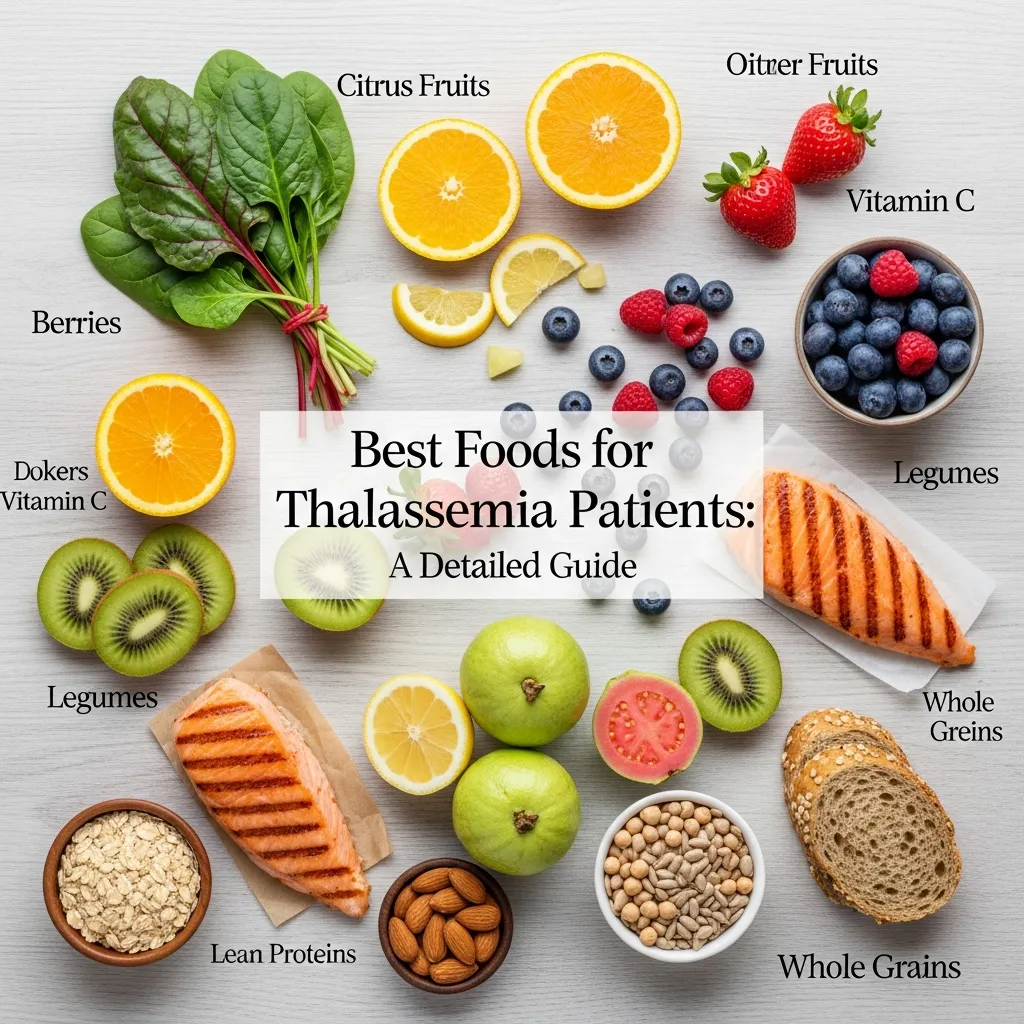 Building a meal plan around the best foods for thalassemia patients means prioritizing nutrients that support blood production and bone strength while strictly managing iron intake. A well-structured diet not only improves energy levels but also helps reduce complications linked to iron overload and chronic anemia. Here are the top categories of foods to include in your daily routine when selecting the best foods for thalassemia patients.
High-Folate Foods
Since your body requires extra folate to build red blood cells, focusing on naturally folate-rich foods is a smart strategy. Folate is one of the most important nutrients in the best foods for thalassemia patients because it directly supports red blood cell formation.
Leafy Green Vegetables
Spinach, kale, and collard greens are packed with natural folate. While spinach does contain some non-heme iron, plant-based iron is not absorbed as efficiently as the iron found in meat. You can safely include these greens in your diet, especially when building a balanced plan based on the best foods for thalassemia patients, particularly if paired with calcium-rich foods that naturally inhibit iron absorption.
Legumes
Lentils, chickpeas, and black beans are excellent sources of complex carbohydrates, protein, and folate. They provide sustained energy without the dangerous heme iron found in beef or pork. Proper preparation such as soaking and boiling can also improve digestibility and nutrient absorption, making them an essential part of the best foods for thalassemia patients.
Foods Rich in Calcium
Because bone thinning is a common complication, calcium is one of the most important minerals in your diet. Calcium-rich options are a key part of the best foods for thalassemia patients because they support bone strength and also help reduce iron absorption.
Dairy Products
Milk, yogurt, and cheese are staple items that provide high amounts of calcium while containing almost no iron. A glass of milk with dinner or a serving of yogurt for breakfast supports your skeletal system and fits perfectly within the best foods for thalassemia patients dietary approach.
Plant-Based Calcium Alternatives
If you are lactose intolerant, look for almond milk or soy milk fortified with calcium. Be sure to check the nutrition labels to ensure these alternatives are not also heavily fortified with iron, especially when focusing on the best foods for thalassemia patients.
Safe Sources of Vitamin D
To help your body utilize calcium effectively, vitamin D is essential. It plays a supporting role in the best foods for thalassemia patients by improving bone health and reducing fracture risk.
Eggs
Egg yolks are a natural source of vitamin D. They are easy to prepare and provide a safe, low-iron source of protein that fits well into the best foods for thalassemia patients meal plan.
Certain Fish
Fatty fish like salmon and mackerel contain vitamin D and heart-healthy omega-3 fatty acids. While they do contain some iron, it is generally lower than red meat, making them a moderate inclusion in the best foods for thalassemia patients when consumed in controlled portions.
Zinc-Rich Foods (Low in Iron)
To replenish zinc levels lost through chelation therapy without overloading on iron, careful food selection is important. Zinc is another key nutrient in the best foods for thalassemia patients because it supports immunity and healing.
Nuts and Seeds
Pumpkin seeds, squash seeds, and almonds provide excellent amounts of zinc. They make for a heart-healthy snack that supports immune function and aligns with the best foods for thalassemia patients nutritional goals.
Dairy and Poultry
In addition to calcium, dairy products offer a modest amount of zinc. Lean poultry like chicken breast provides high-quality protein and zinc with significantly less iron than dark meats, making it a safe option in the best foods for thalassemia patients diet plan.
Combining Diet with Education and Community Support
 Managing your diet is much easier when you are not doing it alone. Connecting with others who understand the nuances of the best foods for thalassemia patients can introduce you to new recipes, safe cooking methods, and emotional support.
Staying informed about your condition empowers you to make better choices at the grocery store. By participating in thalassemia education and advocacy programs, you can learn directly from hematologists and specialized dietitians about the latest nutritional guidelines.
Furthermore, joining support groups allows you to share your experiences with meal planning and dietary restrictions. Active thalassemia community engagement provides a safe space to ask questions, trade low-iron recipes, and encourage newly diagnosed individuals.
Medical care for rare blood disorders is highly complex. Relying on thalassemia collaborative strategies—where your hematologist, primary care doctor, and registered dietitian all communicate regarding your health—ensures that your diet plan perfectly matches your medical treatments. Always share your dietary habits with your medical team so they can adjust your care accordingly. For global guidelines on managing blood disorders, the Centers for Disease Control and Prevention (CDC) provides excellent foundational resources.
Conclusion
Managing thalassemia effectively goes beyond medical treatment and requires a strong focus on daily nutrition. By understanding how key nutrients like iron, folic acid, vitamin C, vitamin D, and zinc affect your body, you can make smarter food choices that support long-term health. Choosing the best foods for thalassemia patients helps reduce complications such as iron overload, supports healthy red blood cell production, and improves overall energy levels.
While diet cannot cure thalassemia, the best foods for thalassemia patients play a powerful supportive role in enhancing quality of life. With careful planning, balanced meals, and regular guidance from healthcare professionals, patients can better manage symptoms and protect vital organs. Ultimately, building consistent healthy eating habits centered around the best foods for thalassemia patients is one of the most effective ways to stay stronger, more energetic, and healthier while living with thalassemia.
Frequently Asked Questions (FAQ)
1. Can I eat iron-fortified cereals?
No. Many commercial cereals and breads are heavily fortified with iron to help the general public prevent deficiencies. For someone managing iron overload, these fortified products can be harmful. Always check nutrition labels and choose unfortified grains.
2. Is it safe to drink tea or coffee with meals?
Yes. Both black tea and coffee contain natural compounds called tannins and polyphenols. These compounds bind to iron in the digestive tract, significantly reducing the amount of iron your body absorbs. Drinking tea with your meals is a great dietary strategy.
3. Do I need to avoid all vitamin C?
No, you still need vitamin C for a healthy immune system. The key is timing. Eat vitamin C-rich foods (like oranges or bell peppers) as separate snacks rather than combining them with meals that contain iron.
4. Are nuts and seeds safe to eat?
Yes. Nuts and seeds like almonds, walnuts, and pumpkin seeds are excellent sources of zinc, healthy fats, and protein. They contain relatively low amounts of absorbable iron.
5. How does calcium help with iron overload?
Calcium directly competes with iron for absorption in the gut. By consuming calcium-rich foods like milk or cheese during a meal, you can naturally decrease the amount of iron your body absorbs from that food.
6. Is chicken safe to eat?
Yes. Lean poultry like chicken breast and turkey has much lower heme iron content compared to beef, lamb, or pork. It is a safe and healthy source of protein.
7. Should I take dietary supplements?
You should only take supplements prescribed by your doctor. Folic acid and calcium supplements are common, but you must avoid multivitamins that contain added iron or high doses of vitamin C.
8. Can a dietitian help me manage my condition?
Absolutely. A registered dietitian who understands hematological disorders can help you build a personalized meal plan that incorporates the best foods for thalassemia patients while considering your specific lab results.
9. What are the best foods for thalassemia patients to include daily?
The best foods for thalassemia patients include leafy green vegetables, whole grains, dairy products, lean proteins like chicken and fish, and folate-rich foods that support healthy red blood cell production.
10. Can the best foods for thalassemia patients improve energy levels?
Yes. Following a balanced diet that includes the best foods for thalassemia patients can help reduce fatigue, support oxygen delivery, and improve overall energy levels when combined with proper medical care.
