


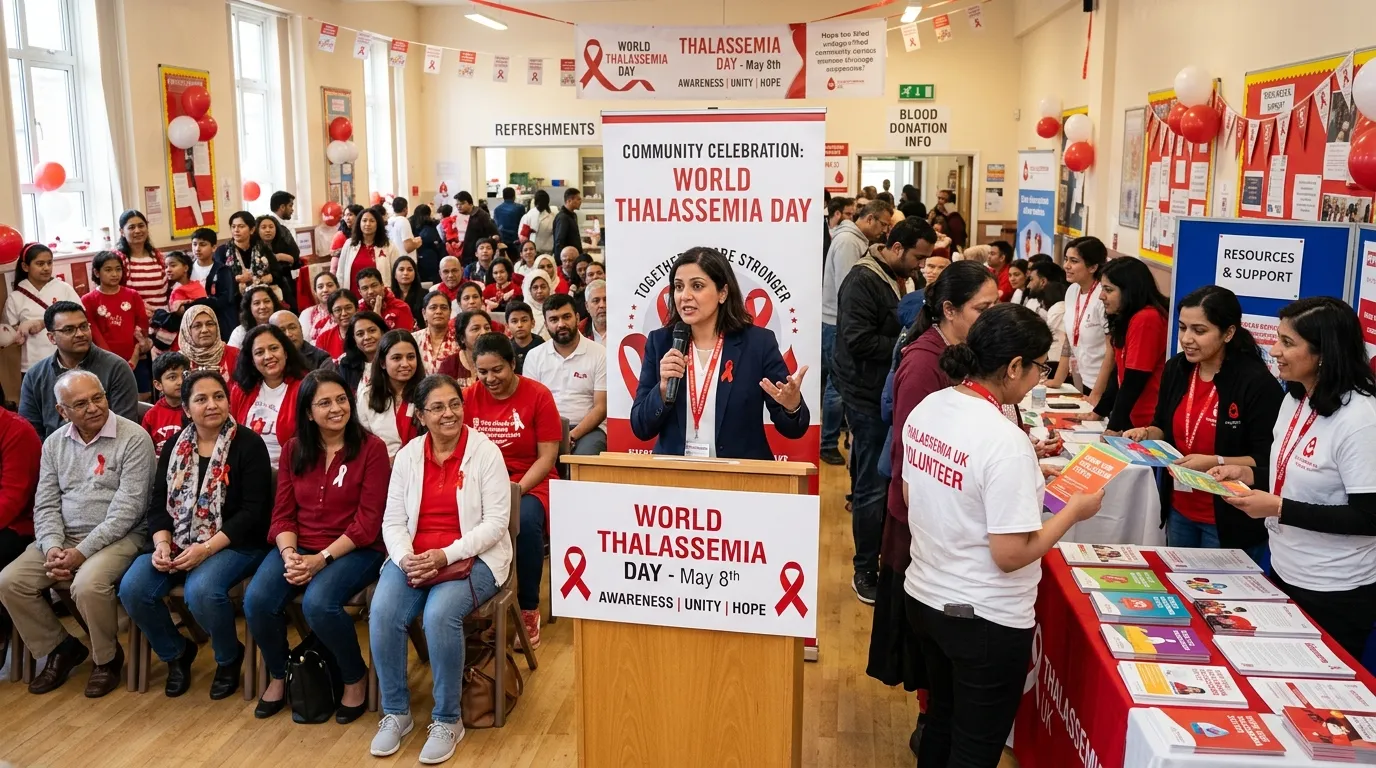
World Thalassemia Day programs raise awareness about thalassemia through educational activities, screening campaigns, and community events. These initiatives encourage early diagnosis, promote better patient care, support affected families, and strengthen public understanding of inherited blood disorders worldwide.
World Thalassemia Day programs are organized awareness campaigns, screening drives, fundraising events, and educational activities held every May 8 to support thalassemia patients, promote carrier testing, and reduce new cases of this inherited blood disorder. They unite patients, doctors, and communities worldwide.
Every year on May 8, hospitals, schools, and communities across the globe come together to mark World Thalassemia Day. The goal is simple but powerful: spread knowledge about an inherited blood disorder that affects millions, yet remains poorly understood. World Thalassemia Day programs turn that goal into action through screening camps, awareness drives, patient support events, and research showcases.
Thalassemia affects roughly 5% of the global population, who carry a hemoglobin disorder gene, according to the World Health Organization. Many of these carriers feel perfectly healthy and never suspect they hold the gene. That silence is exactly why awareness matters. The right program, at the right time, can prevent a severe case before it ever begins.
This guide walks you through everything you need to know about World Thalassemia Day programs—their history, objectives, types, and real-world impact. You will also learn practical ways to get involved, whether you are a patient, a healthcare worker, or a community leader. By the end, you will understand why these events save lives and how you can be part of the change.
What Is World Thalassemia Day and Why Does It Matter?
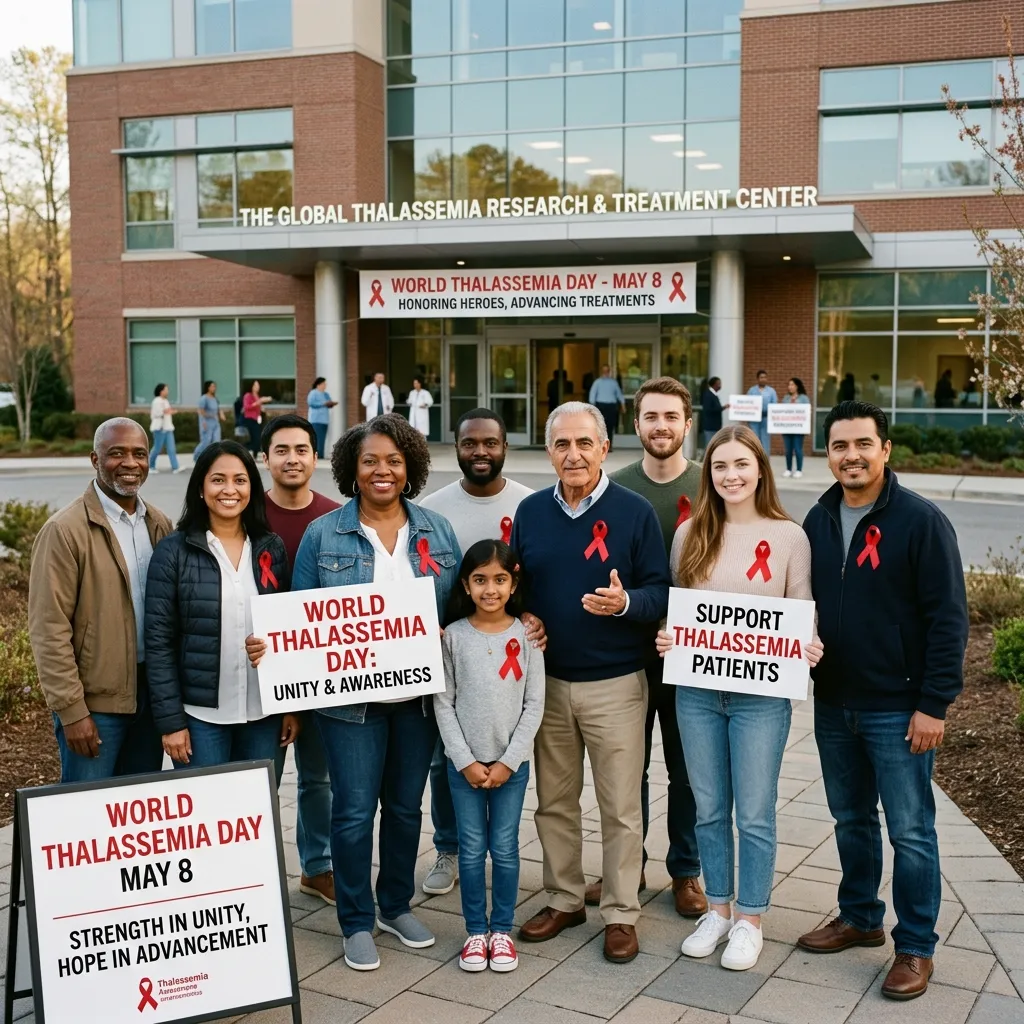 World Thalassemia Day is an international health observance held on May 8 each year. It honors patients living with thalassemia, remembers those who lost their lives to the condition, and recognizes the scientists and clinicians working toward better treatments and a cure.
The day matters because thalassemia is both common and largely preventable. Two healthy-looking carriers can marry without knowing their status, and each of their pregnancies then carries a 25% chance of a child with thalassemia major—the severe form that requires lifelong blood transfusions. World Thalassemia Day programs break this cycle by putting accurate information into the hands of the people who need it most.
The observance also pushes thalassemia onto the public health agenda. When governments, hospitals, and media outlets devote a single coordinated day to the topic, the message reaches far more people than scattered efforts ever could. Understanding the broader importance of thalassemia awareness helps explain why this annual focus carries so much weight.
The History and Evolution of World Thalassemia Day Programs
World Thalassemia Day was established in 1994 by the Thalassemia International Federation (TIF). The founders created the day to honor patients who showed remarkable courage and to draw global attention to a disorder that had long been overlooked.
In its early years, the observance focused mainly on remembrance and basic awareness. Programs were modest—small gatherings, hospital talks, and printed leaflets. As the patient community grew stronger and medical knowledge expanded, the scope of World Thalassemia Day activities widened considerably.
Today, the day features a different theme each year, chosen by TIF to spotlight a specific challenge. Past themes have addressed equal access to treatment, the right to quality care, and the importance of patient empowerment. This evolution reflects a shift from simple remembrance toward coordinated, action-driven public health campaigns that span more than 60 countries.
Key Objectives of World Thalassemia Day Programs
Every World Thalassemia Day event, whether large or small, works toward a shared set of goals. Understanding these objectives helps organizers design programs that deliver real value.
The core objectives include:
- Raising public awareness: Teaching communities what thalassemia is, how it spreads through families, and why screening matters.
- Promoting carrier screening: Encouraging premarital and pre-conception testing to prevent severe births.
- Supporting patients: Reducing stigma and building networks that help patients and families cope.
- Advocating for better care: Pushing policymakers to fund treatment, blood supplies, and chelation therapy.
- Advancing research: Highlighting new treatments such as gene therapy and raising money to fund continued study.
These objectives explain why a successful thalassemia awareness campaign needs more than a single activity. The strongest programs combine education, screening, support, and advocacy into one coordinated effort.
Types of World Thalassemia Day Programs
World Thalassemia Day activities take many shapes, each serving a distinct purpose. Most organizers combine several of these formats to reach the widest possible audience.
Awareness Campaigns and Educational Initiatives
Awareness sits at the heart of every thalassemia awareness campaign. These initiatives aim to replace fear and misunderstanding with clear, accurate knowledge.
Common formats include:
- School and university sessions: Teaching young people about genetic blood disorders before they reach the age of marriage and family planning.
- Social media drives: Sharing patient stories, infographics, and screening reminders to reach a broad online audience.
- Public seminars and webinars: Bringing hematologists and patients together to answer community questions.
- Print and broadcast media: Newspaper features, radio spots, and posters that carry the message to people offline.
These educational World Thalassemia Day events are especially powerful in high-prevalence regions, where many people have never heard the word “thalassemia” until a diagnosis arrives in their own family.
Medical Camps and Screening Programs
Free screening camps are among the most impactful World Thalassemia Day activities because they turn awareness into direct action. A simple blood test can reveal carrier status before a couple starts a family.
Screening programs usually offer a Complete Blood Count to flag small red blood cells, followed by hemoglobin electrophoresis to confirm carrier status. Many camps pair testing with on-site genetic counseling for thalassemia, so people who learn they are carriers immediately understand what their results mean.
The proof of impact is striking. Cyprus combined mandatory premarital screening with public education and reduced severe thalassemia births by more than 90%, according to the Centers for Disease Control and Prevention. Screening camps held on World Thalassemia Day bring this same prevention model directly into local communities.
Fundraising and Support Events
Treating thalassemia major is expensive. Patients need regular blood transfusions, iron chelation therapy, and frequent hospital visits. Fundraising events help cover these costs and fund broader awareness work.
Popular fundraising World Thalassemia Day events include charity walks, blood donation drives, benefit concerts, and online giving campaigns. Blood donation drives serve a double purpose—they raise awareness while replenishing the blood banks that transfusion-dependent patients rely on every few weeks.
Support events also create space for patients and families to connect. Meeting others who understand the daily reality of the condition reduces isolation and builds lasting community bonds.
Research and Development Showcases
The future of thalassemia care looks brighter than ever, and World Thalassemia Day programs often spotlight that progress. Research showcases keep the public informed about emerging treatments and inspire hope.
These events highlight advances such as gene therapy, which has reached regulatory approval in some countries and offers the possibility of a cure for severe forms. They also feature drugs that reactivate fetal hemoglobin and next-generation genetic tests that make diagnosis faster and more affordable. By sharing this progress, research showcases remind patients and families that the science is moving forward.
How to Get Involved in World Thalassemia Day Programs
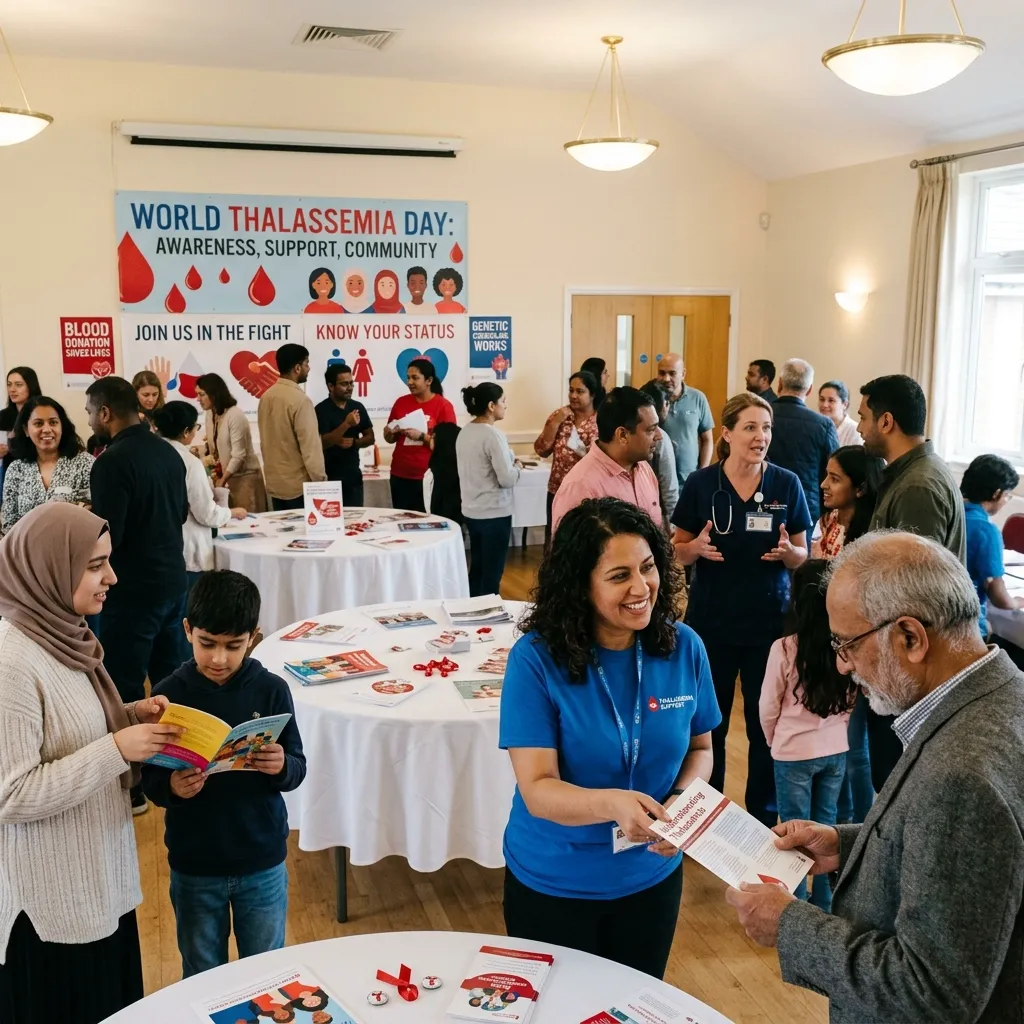 You do not need a medical degree to make a difference. World Thalassemia Day activities welcome participation from every corner of society. Here is how different groups can contribute.
For Individuals and Families
Individuals are the backbone of any thalassemia awareness campaign. Even small actions add up to real change.
- Get screened: If you have a family history of anemia or blood disorders, request a Complete Blood Count and hemoglobin electrophoresis.
- Donate blood: A single donation can help a transfusion-dependent patient survive.
- Share information: Post accurate resources on social media and talk openly with friends and relatives.
- Attend local events: Show up to seminars, walks, and screening camps to support the cause.
Families affected by thalassemia can also share their stories. Putting a human face on the condition inspires others to get tested and learn more.
For Healthcare Professionals and Organizations
Doctors, nurses, and hospitals play a central role in World Thalassemia Day events. Their expertise turns awareness into accurate diagnosis and care.
- Host screening camps: Offer free or subsidized testing on or around May 8.
- Train colleagues: Help fellow providers recognize thalassemia and avoid the common mistake of treating it as iron deficiency.
- Offer counseling: Provide genetic counseling so carriers understand their risks and options.
- Educate patients: Use the day to reinforce the importance of treatment adherence and regular monitoring.
Provider training matters because thalassemia is often misdiagnosed as iron deficiency anemia. Giving iron to a thalassemia patient can cause dangerous iron overload, so accurate diagnosis is essential.
For Policymakers and Community Leaders
Lasting change requires support from the top. Policymakers and community leaders can amplify every other effort.
- Fund screening programs: Allocate resources for premarital and newborn screening.
- Support blood banks: Ensure a steady, safe blood supply for transfusion-dependent patients.
- Pass supportive policies: Consider mandatory carrier screening, which has dramatically cut severe births in countries like Cyprus.
- Partner with patient groups: Work with organizations to design programs that reflect real community needs.
When leaders treat thalassemia as a public health priority, the impact reaches far beyond a single day.
The Impact and Achievements of World Thalassemia Day Programs
Decades of World Thalassemia Day programs have produced measurable results. The clearest success comes from countries that paired awareness with mandatory screening.
Cyprus and parts of Italy reduced severe thalassemia births by more than 90% through screening and education, according to the Centers for Disease Control and Prevention. These results prove that sustained awareness, the kind World Thalassemia Day drives every year, changes public health outcomes within a single generation.
Beyond prevention, the day has achieved other important wins:
- Reduced stigma: Open conversation has helped patients live without shame or isolation.
- Stronger blood supplies: Annual donation drives keep blood banks stocked for patients who need regular transfusions.
- Greater research funding: Public attention has helped channel money toward gene therapy and other breakthroughs.
- Better treatment access: Advocacy has pushed governments to fund care in regions where it was once scarce.
Each achievement reinforces the value of continued effort. The progress is real, but so is the work that remains.
Challenges and Future Directions for Thalassemia Awareness
Despite clear progress, spreading awareness still faces real obstacles. Recognizing these challenges helps organizers plan stronger World Thalassemia Day events.
- Low public knowledge: Many people have never heard of thalassemia. Sustained education through schools and media is the fix.
- Cultural stigma: In some communities, genetic conditions carry shame. Respectful conversation and patient advocacy help break it down.
- Limited screening access: Cost and distance keep some people from getting tested. Mobile clinics and subsidized screening close the gap.
- Persistent misdiagnosis: Confusing thalassemia with iron deficiency leads to harmful treatment. Provider training solves this at the source.
The future of thalassemia awareness lies in new tools. Digital health platforms, telemedicine, and social media now reach communities that traditional campaigns once missed. As gene therapy and improved diagnostics become more accessible, World Thalassemia Day programs will increasingly connect patients to these life-changing options. You can explore broader thalassemia prevention programs to see how these strategies fit together.
Why Continuous Effort Saves Lives
 World Thalassemia Day is more than a single date on the calendar. It represents a year-round commitment to education, screening, and support that has already prevented thousands of severe cases worldwide. The thalassemia awareness campaign at the heart of every program rests on one simple truth: knowledge changes outcomes.
The path forward is clear. Get tested if you have a family history. Encourage your partner to do the same before starting a family. Volunteer at a local screening camp, donate blood, or simply share what you have learned. Every action strengthens the global effort to reduce this preventable disorder.
Take the next step today. Talk to your doctor about a Complete Blood Count and hemoglobin electrophoresis, and explore trusted resources from the World Health Organization and the Thalassemia International Federation to learn how you can support World Thalassemia Day programs in your community. Awareness saves lives—and it starts with you.
1. When is World Thalassemia Day celebrated?
World Thalassemia Day is observed every year on May 8. The Thalassemia International Federation established the day in 1994 to honor patients, remember those lost to the disease, and promote global awareness of this inherited blood disorder.
2. What is the purpose of World Thalassemia Day programs?
World Thalassemia Day programs aim to raise public awareness, promote carrier screening, support patients and families, advocate for better treatment access, and advance research. Together, these objectives reduce new cases of thalassemia major and improve the lives of people living with the condition.
3. What types of activities happen on World Thalassemia Day?
Common World Thalassemia Day activities include awareness seminars, free screening and medical camps, blood donation drives, charity walks, fundraising concerts, school education sessions, social media campaigns, and research showcases. Most organizers combine several formats to reach the widest audience.
4. How can I participate in a thalassemia awareness campaign?
You can participate by getting screened, donating blood, sharing accurate information on social media, attending local events, or volunteering at a screening camp. Healthcare providers can host camps and train colleagues, while policymakers can fund screening and support blood banks.
5. Why is carrier screening emphasized during World Thalassemia Day events?
Carrier screening is emphasized because two healthy carriers can have a child with thalassemia major without knowing their risk. A simple blood test identifies carriers before they start a family, which is the single most effective way to prevent severe cases.
6. Do World Thalassemia Day programs really reduce cases?
Yes. Countries like Cyprus reduced severe thalassemia births by more than 90% through mandatory screening and public education, according to the Centers for Disease Control and Prevention. Annual awareness efforts reinforce these prevention gains over time.
7. Who organizes World Thalassemia Day events?
The Thalassemia International Federation coordinates a global theme each year, while hospitals, patient associations, schools, governments, and local community groups organize individual events. This mix of global coordination and local action gives the day its broad reach.
8. Are World Thalassemia Day screening camps free?
Many screening camps held during World Thalassemia Day events offer free or subsidized testing, including a Complete Blood Count and hemoglobin electrophoresis. Availability varies by region and organizer, so check with local hospitals or patient groups for details.
9. What is the theme of World Thalassemia Day?
The Thalassemia International Federation selects a new theme each year to spotlight a specific challenge, such as equal access to treatment or patient empowerment. The annual theme shapes the focus of awareness campaigns and educational activities worldwide.
10. How do fundraising events help thalassemia patients?
Fundraising World Thalassemia Day events help cover the high cost of treatment, including blood transfusions and iron chelation therapy. They also fund awareness programs and research, while blood donation drives keep blood banks stocked for transfusion-dependent patients.
