


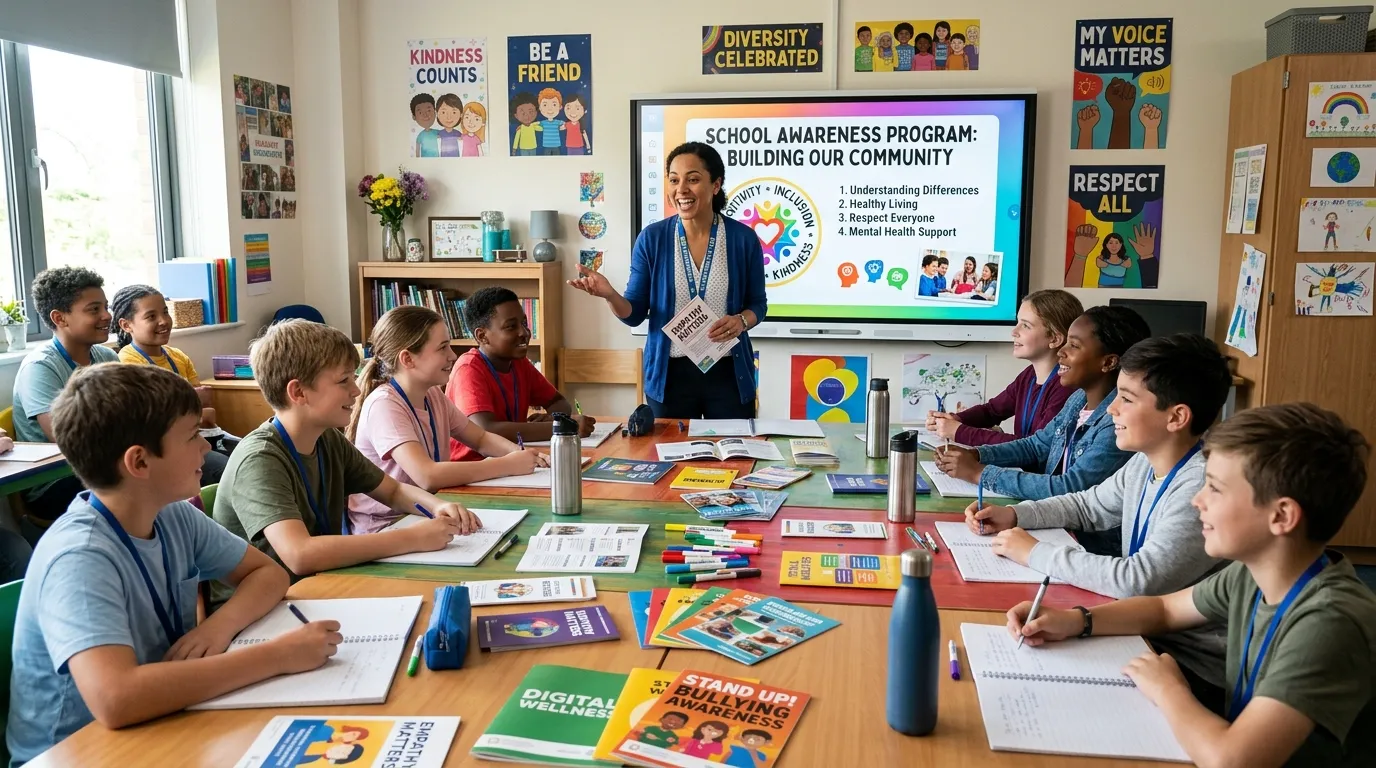
School awareness programs help students gain knowledge about health, safety, social issues, and personal development. These initiatives encourage informed decision-making, build responsibility, and create a supportive learning environment that benefits students, families, and communities.
School awareness programs are structured campaigns that teach students about health, safety, and social topics. They improve student well-being, boost academic engagement, build positive school culture, and prepare young people for future challenges—while reducing risks like bullying, illness, and poor mental health.
Schools shape far more than test scores. They shape how young people think, feel, and treat one another. That is why school awareness programs have become such a powerful tool in modern education. These campaigns take important topics—mental health, bullying, digital safety, nutrition—and turn them into lessons that stick.
Yet many schools still treat awareness as an afterthought. A single assembly here, a poster there. The result is patchy understanding and missed opportunities. Strong student awareness campaigns work differently. They run with clear goals, the right channels, and measurable outcomes that prove their value.
This guide breaks down everything you need to build and run effective educational awareness initiatives. You will learn the real benefits, how to design programs that resonate, how to measure impact, and how technology is reshaping the field. Whether you teach primary students or run a university department, these strategies will help you create campaigns that change behavior—not just fill a calendar slot.
Why Are School Awareness Programs Essential in Modern Education?
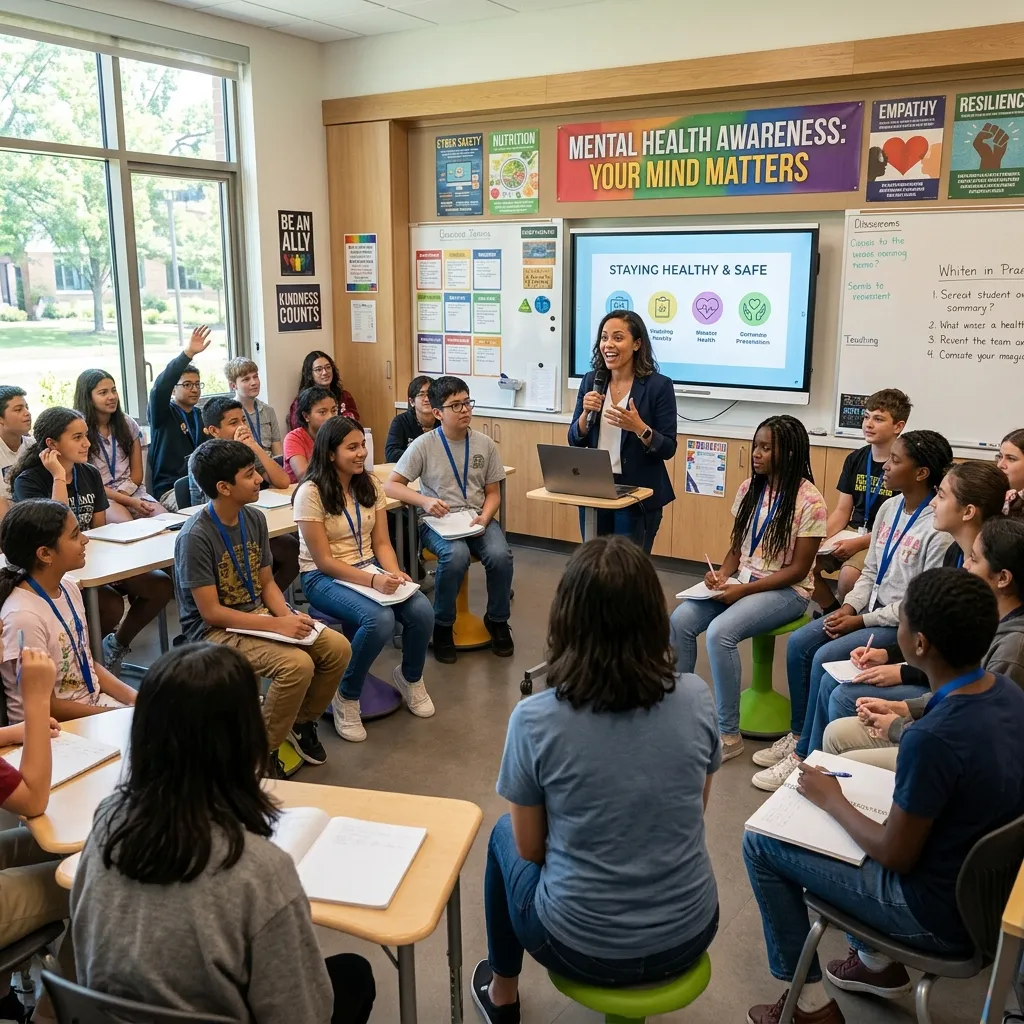 Awareness sits at the heart of good education. A student who understands why study habits matter will manage their time better. A student who recognizes the signs of anxiety can ask for help sooner. Knowledge, delivered well, changes choices.
School awareness programs formalize this process. Rather than hoping students absorb important lessons by chance, schools design deliberate campaigns around specific needs. These programs reach every student at once, creating a shared language and a stronger sense of community.
The stakes are high. Young people face pressures that previous generations never knew—social media, cyberbullying, and rising rates of anxiety and depression. Well-run educational awareness initiatives give students the tools to navigate these challenges before they become crises.
What Are the Benefits of Student Awareness Campaigns?
The advantages of student awareness campaigns reach across every part of school life. They protect health, sharpen learning, strengthen community, and prepare students for adulthood. Here is how.
How do awareness programs improve student well-being?
Physical and mental health form the foundation of everything else a student does. School health awareness programs tackle both.
On the physical side, these campaigns cover topics such as nutrition, hygiene, exercise, and common health issues. They teach students to recognize early warning signs and to make healthier daily choices. Programs that focus on inherited conditions, for example, show how knowledge can change outcomes for entire families—much like the work described in this thalassemia awareness importance guide, where education reduces preventable cases.
Mental health deserves equal attention. Many students hide their struggles because stigma still surrounds emotional difficulties. Awareness campaigns break that silence. They normalize conversations about stress, anxiety, and depression, and they teach emotional resilience. When students learn that asking for help is a sign of strength, they reach out sooner.
How do awareness programs boost academic success?
Strong study skills do not appear by magic. Many students never learn how to manage their time, take notes, or use school resources effectively. Awareness campaigns fill this gap.
These initiatives teach practical academic skills—planning assignments, beating procrastination, and finding tutoring support. Students who understand these tools perform better and feel less overwhelmed.
Digital literacy is now part of academic success too. Awareness programs teach responsible online behavior, from spotting misinformation to protecting personal data. Students who think critically about what they read and share become safer, sharper learners.
How do awareness programs build a positive school culture?
A healthy school culture does not happen by accident. It grows through deliberate effort, and awareness campaigns are central to that work.
Anti-bullying and kindness campaigns set clear expectations for how students treat one another. They give students the words to call out cruelty and the confidence to support a peer in trouble. Over time, these efforts shift the entire social climate of a school.
Diversity, equity, and inclusion (DEI) campaigns deepen this culture. They help students understand and respect differences in background, ability, and identity. A school that values every student creates an environment where everyone can thrive.
How do awareness programs prepare students for the future?
Education should ready students for life beyond the classroom. Awareness campaigns make this preparation intentional.
Career exploration programs introduce students to different professions, helping them connect today’s lessons to tomorrow’s goals. Guidance sessions show them realistic paths toward work they care about.
Financial literacy and civic engagement round out this preparation. Students who learn to budget, save, and understand their role as citizens enter adulthood with real advantages. These skills rarely appear on a standard syllabus, which makes targeted awareness efforts so valuable.
How Do You Design Effective Educational Awareness Initiatives?
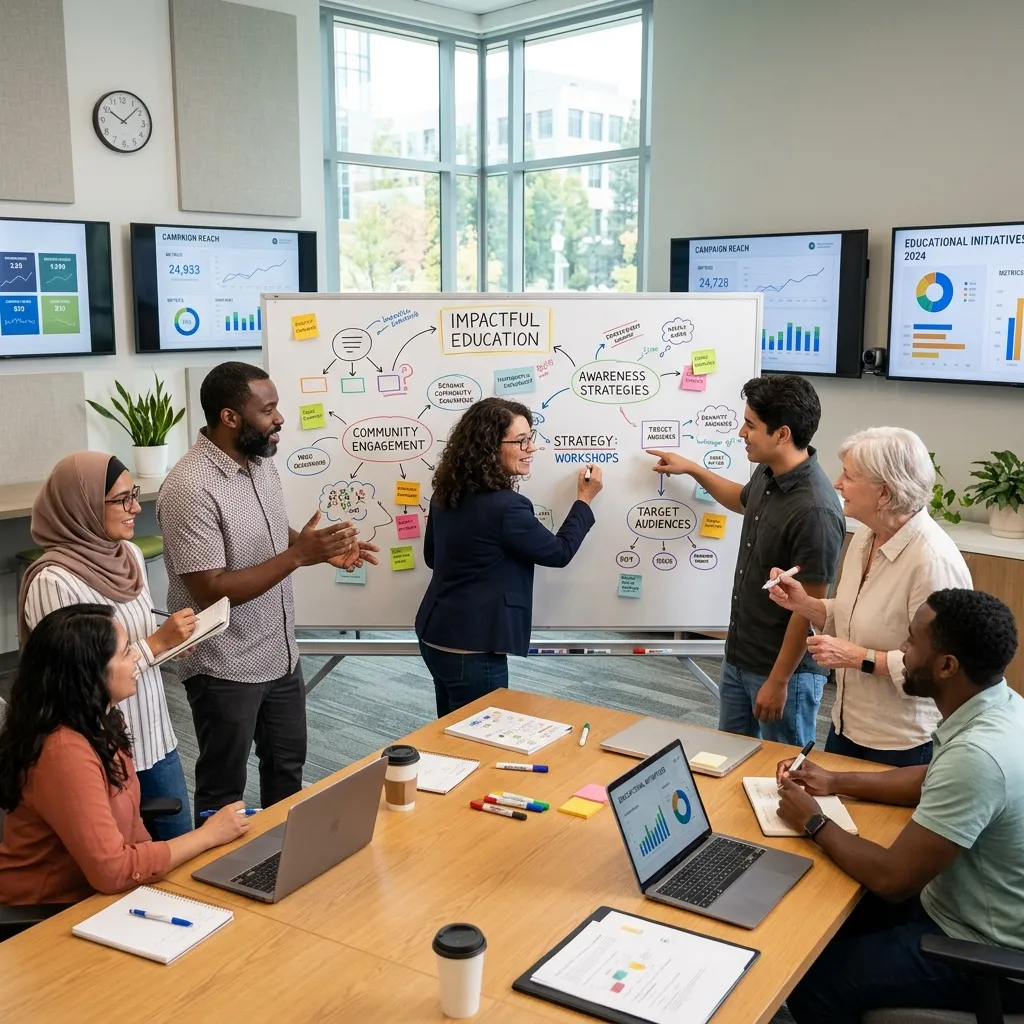 A great idea means little without a solid plan. The strongest educational awareness initiatives follow a clear design process, from research to delivery.
How do you identify the right needs and audience?
Effective campaigns start with listening. Before designing anything, survey your students, staff, and parents to learn what challenges matter most. Needs assessments reveal where awareness gaps exist and where energy should go.
Audience matters just as much as the topic. A message that works for a 7-year-old will fall flat with a high schooler. Tailor your language, examples, and tone to each age group—primary, secondary, and higher education each need their own approach.
How do you craft compelling content and messaging?
Once you know your audience, focus on the message. Use clear, simple language that students can grasp instantly. Jargon and lectures lose attention fast.
Stories work better than statistics alone. A real-life example—a student who overcame a challenge, a family changed by early screening—makes a topic feel urgent and personal. Pair facts with human stories, and your message will stay with students long after the campaign ends.
Which communication channels work best for student awareness campaigns?
The right channel carries your message to the right people.
Most successful school awareness programs blend several formats:
- Interactive workshops and presentations: Hands-on sessions that invite questions and discussion stick far better than passive lectures.
- Digital platforms: Social media, school websites, and apps reach students where they already spend time.
- Traditional methods: Posters, brochures, and school announcements keep the message visible around campus.
Combining digital and physical channels ensures no student misses out.
How do you engage students, parents, and faculty?
Awareness works best when everyone joins in. Student leadership is especially powerful. When students design and lead campaigns, their peers listen more closely.
Parents and community organizations extend the message beyond school walls. A topic reinforced at home carries far more weight. Finally, train faculty and staff so they can support each initiative consistently. When teachers model the behavior a campaign promotes, students take it seriously.
How Do You Implement and Sustain School Health Awareness Programs?
Planning is only half the battle. Turning a strong plan into lasting impact takes careful execution and steady commitment.
How do you plan resources and timing?
Every successful program needs a realistic timeline and budget. Map out each phase, from launch to evaluation, and secure funding early. Identify what you need—printed materials, digital tools, external speakers—well before you start.
Booking expert guests adds credibility and energy. A guest speaker who has lived the experience you are teaching about can move students in ways a textbook never could.
How do you execute programs with real impact?
Engagement drives results. Build activities that get students involved—quizzes, group projects, role-play, and challenges. Passive information rarely changes behavior, but active participation does.
Visual aids and multimedia strengthen the message. Short videos, infographics, and interactive displays make complex topics easier to grasp and harder to forget.
How do you overcome common challenges?
Even great programs hit obstacles. Student apathy is common, so make content relevant and interactive to win attention. Time constraints and competing priorities are real too—weave awareness into existing lessons rather than adding extra burdens.
Cultural sensitivity matters in every diverse school. Design campaigns that respect different backgrounds and beliefs, and involve community voices to ensure your message lands well with everyone.
How Do You Measure the Success of Awareness Programs?
A program you cannot measure is a program you cannot improve. Clear metrics prove value and guide your next steps.
Start by defining objectives and the data that will track them. Quantitative measures include participation rates, survey scores, and incident reports—a drop in bullying complaints, for example, signals real progress. Qualitative data such as student feedback, focus groups, and testimonials reveals the story behind the numbers.
Use pre- and post-program assessments to capture change. Ask students what they knew before and after, then track behavior over the longer term. Real success shows up in lasting habits, not just a single positive survey.
Finally, share results with stakeholders and use what you learn. Report wins to leadership, parents, and students. Then refine the program based on feedback, repeating what works and reshaping what does not.
What Do Successful School Awareness Programs Look Like?
Real examples bring best practices to life. Across the world, schools have run campaigns worth studying.
Mental health awareness success stories often share one trait: they make help feel normal. Schools that pair education with accessible counseling see students reach out earlier and more often.
Effective anti-bullying campaigns combine clear rules, peer support, and consistent follow-through. The strongest ones empower bystanders to step in, shifting responsibility from victims to the whole community.
Digital citizenship programs take creative approaches, using simulations and real scenarios to teach safe online habits. And exemplary school health awareness programs—covering nutrition, physical activity, and inherited conditions—prove that education changes outcomes. The dramatic results of community screening, detailed in this guide on thalassemia prevention programs, show how awareness paired with action can prevent serious conditions on a large scale.
How Is Technology Transforming Student Awareness Campaigns?
Technology has opened powerful new doors for awareness work. Smart use of these tools reaches more students and engages them more deeply.
AI and data analytics now allow personalized outreach. Schools can identify which students need specific support and tailor messages accordingly, making campaigns more relevant and effective.
Gamification turns learning into play. Points, badges, and friendly competition keep students engaged with serious topics. When awareness feels like a game, participation climbs.
Virtual reality (VR) and augmented reality (AR) add immersive depth. A student who experiences a scenario in VR—navigating peer pressure or understanding a health condition—remembers the lesson far better than one who only reads about it.
What Are the Future Trends in School Awareness Programs?
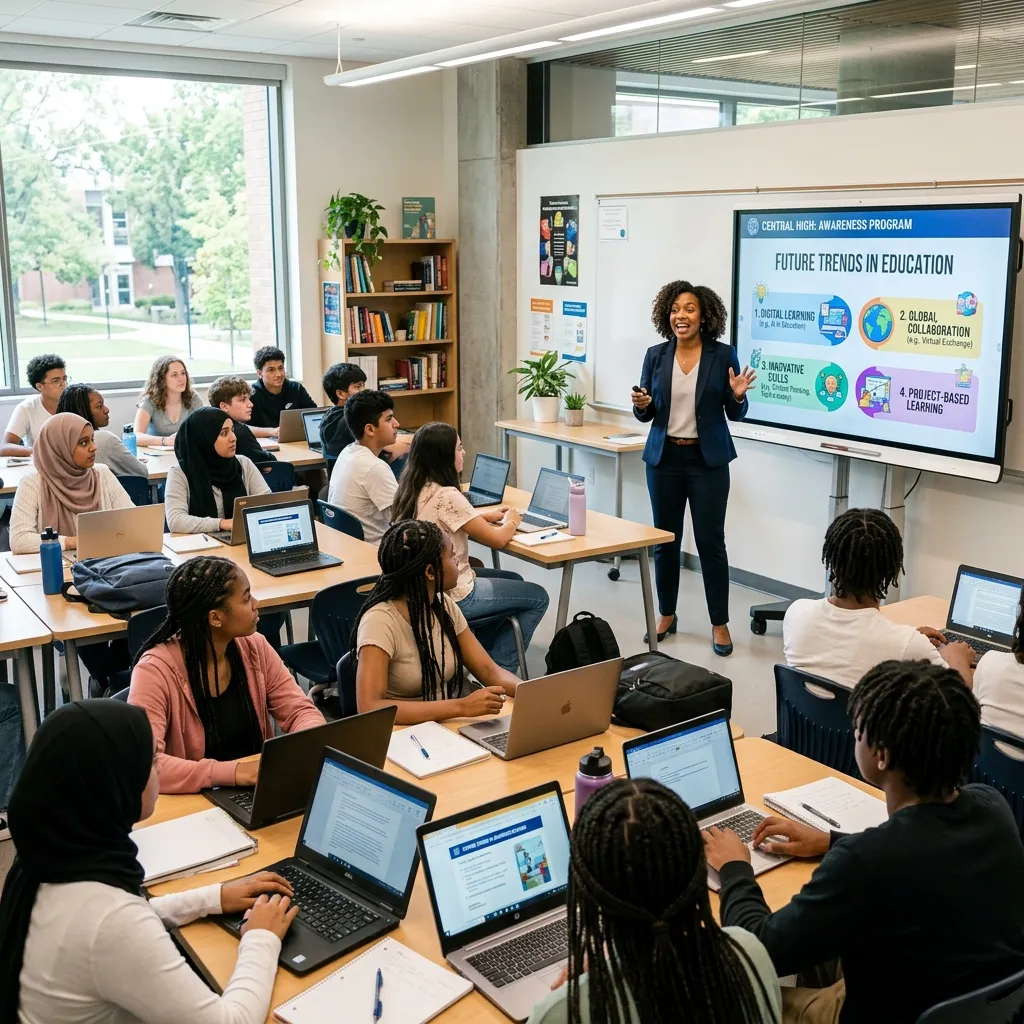
The field keeps evolving, and forward-thinking schools are already adapting. Several trends point the way.
Social-emotional learning (SEL) is becoming woven into every initiative rather than taught separately. Schools increasingly recognize that emotional skills underpin all other learning.
Global citizenship and environmental awareness are also rising fast. Students want to understand their place in a connected world and their responsibility to the planet. Campaigns that address sustainability and global issues resonate strongly with today’s learners.
The broader landscape continues to shift toward integration, personalization, and measurable results. Schools that embrace these changes will run programs that genuinely shape better, healthier, more capable students.
Building a Culture of Awareness That Lasts
School awareness programs do far more than tick a box on the curriculum. They protect student health, strengthen learning, build kinder communities, and prepare young people for the road ahead. The schools that take them seriously see the difference in their students every day.
The path forward is clear. Start by listening to your community’s needs. Design campaigns with strong messaging and the right mix of channels. Engage students, parents, and faculty as partners. Then measure your impact and refine as you go.
For inspiration on how awareness translates into real-world change, explore how organized campaigns work in practice through resources like the World Health Organization and patient advocacy groups such as the Thalassemia International Federation. The lesson they share applies to every school: knowledge, delivered well, changes lives. Begin with one strong program, prove its value, and build from there.
Conclusion
School awareness programs play a vital role in educating students beyond the classroom. By promoting knowledge, critical thinking, and positive behaviors, these initiatives help students make informed choices and contribute to healthier, safer, and more responsible communities. Continued investment in awareness activities can create lasting benefits for both individuals and society.
Frequently Asked Questions
1. What are school awareness programs?
School awareness programs are structured campaigns that educate students about important topics such as health, mental well-being, bullying, digital safety, and life skills. They use workshops, digital platforms, and traditional materials to raise understanding, change behavior, and build a positive school culture.
2. Why are student awareness campaigns important?
Student awareness campaigns are important because they address real challenges young people face, from anxiety to cyberbullying. They give students knowledge and tools to make better choices, improve well-being, support academic success, and prepare for life beyond school.
3. What topics do school health awareness programs cover?
School health awareness programs cover physical health topics like nutrition, hygiene, and exercise, as well as mental health, emotional resilience, and inherited conditions. They teach students to recognize early warning signs and make healthier daily choices.
4. How do you design effective educational awareness initiatives?
Start by surveying students, parents, and staff to identify key needs. Tailor your message to the audience’s age group, use clear language and real stories, choose the right communication channels, and engage students, parents, and faculty as active partners.
5. How do you measure the success of school awareness programs?
Measure success using quantitative data like participation rates, survey results, and incident reports, alongside qualitative data such as student feedback and testimonials. Pre- and post-program assessments help track knowledge gains and long-term behavior change.
6. What are common challenges in running awareness programs?
Common challenges include student apathy, limited time, competing priorities, and the need for cultural sensitivity. You can overcome these by making content interactive and relevant, weaving awareness into existing lessons, and respecting diverse backgrounds.
7. Who should be involved in student awareness campaigns?
Students, parents, faculty, and community organizations should all be involved. Student leadership boosts peer engagement, parents reinforce messages at home, trained faculty provide consistent support, and community partners extend the campaign’s reach.
8. How does technology improve awareness campaigns?
Technology improves awareness campaigns through AI-driven personalized outreach, gamification that boosts engagement, and immersive tools like virtual reality and augmented reality. These tools help schools reach more students and make lessons more memorable.
9. What is the difference between awareness programs for primary and secondary students?
Primary students need simple language, visual aids, and playful activities, while secondary and higher education students respond to deeper discussion, real-world examples, and peer-led campaigns. Tailoring tone and content to each age group is essential.
10. How often should schools run awareness programs?
Schools should run awareness programs throughout the year rather than as one-off events. Ongoing campaigns, reinforced across lessons and seasons, create lasting behavior change and keep important topics top of mind for students.
