

Close Menu

    Subscribe to Updates

    Get the latest creative news from FooBar about art, design and business.

    What's Hot

    Thalassemia Symptoms in Children: A Complete Parent’s Guide

    June 11, 2026

    High Thalassemia Prevalence in South Asia: A Care Guide

    June 10, 2026

    Thalassemia Awareness in Bangladesh: A Lifesaving Guide

    June 9, 2026
    Facebook X (Twitter) Instagram
    Thursday, June 11
    Facebook X (Twitter) Instagram Pinterest Vimeo
    My BlogMy Blog
    • Homepage
    • About us
    • Contact us
    My BlogMy Blog
    Home»Thalassemia Awareness»Essential lifestyle tips for thalassemia
    Thalassemia Awareness

    Essential lifestyle tips for thalassemia

    adminBy adminMay 19, 2026Updated:May 19, 2026No Comments14 Mins Read
    Share Facebook Twitter Pinterest LinkedIn Tumblr Reddit Telegram Email
    lifestyle tips for thalassemia
    Share
    Facebook Twitter LinkedIn Pinterest Email

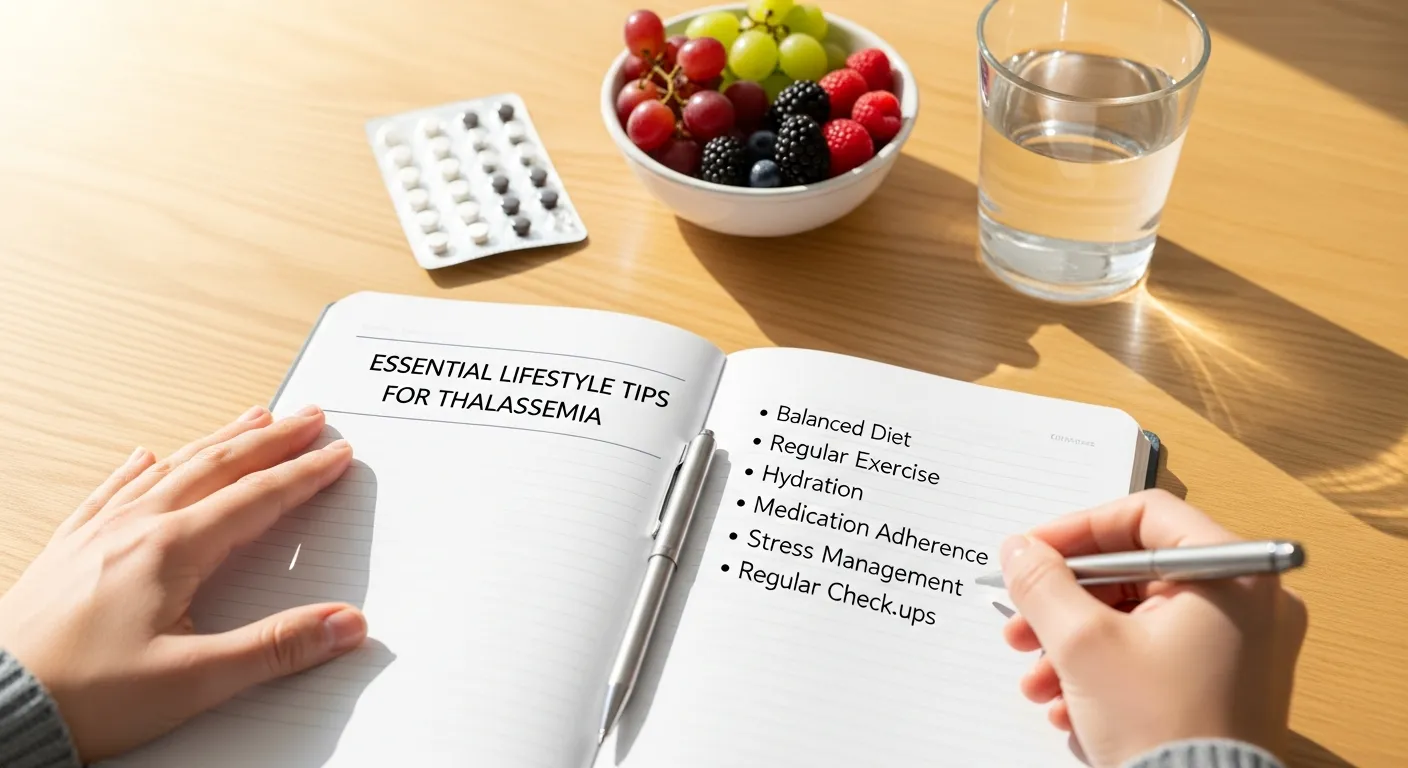
    Lifestyle Tips for Thalassemia include maintaining a balanced diet, staying hydrated, doing low-impact exercise, managing stress, and getting regular checkups. Following medical advice and proper rest helps improve energy levels, reduce symptoms, and support overall health and well-being.
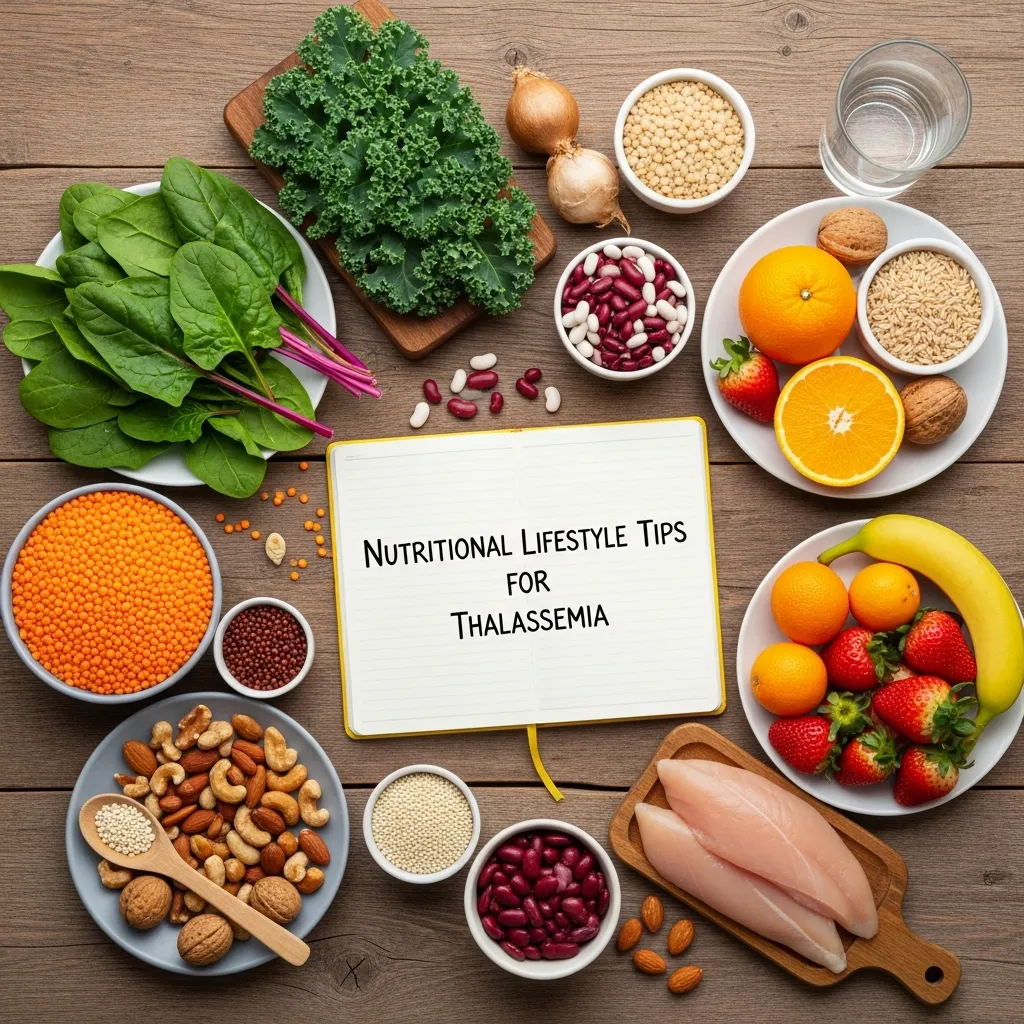
    Effective Lifestyle Tips for Thalassemia include managing dietary iron intake, maintaining safe physical activity, prioritizing sleep hygiene, and adhering strictly to medical treatments like chelation therapy. A proactive approach to stress reduction and community support also significantly improves long-term health outcomes for individuals living with this blood disorder.

    Managing a chronic genetic blood disorder requires more than just attending medical appointments. Because Lifestyle Tips for Thalassemia focus on daily habits that support overall health, they play a crucial role alongside medical care. Thalassemia affects how the body produces hemoglobin—the essential protein red blood cells use to carry oxygen—so individuals often experience chronic fatigue, anemia, and other compounding health challenges. Medical interventions like blood transfusions are foundational, but daily routines are equally important in maintaining energy and stability.

    Developing a personalized routine based on Lifestyle Tips for Thalassemia can help the body function more efficiently. Proactive lifestyle management involves balancing essential nutrients, protecting vital organs from iron overload, and supporting mental health. When individuals take control of their daily habits, they often report improved energy levels, better symptom control, and a stronger sense of autonomy over their condition.

    This comprehensive guide covers the most effective Lifestyle Tips for Thalassemia. From navigating the grocery store and planning safe exercise routines to managing mental health and traveling securely, these actionable strategies will help individuals with thalassemia build a supportive, balanced, and fulfilling life.

    What are the best nutritional lifestyle tips for thalassemia?

    Healthy diet guidance for managing thalassemia

    Nutrition forms the cornerstone of daily health management. The right dietary choices can support healthy blood production while preventing dangerous mineral buildups.

    How does a balanced diet support thalassemia management?

    A well-structured eating plan provides the body with the necessary tools to combat chronic fatigue. Because the bone marrow works overtime to produce red blood cells in people with thalassemia, the body burns through certain nutrients rapidly. Consuming a balanced diet rich in complex carbohydrates, lean proteins, and safe vitamins helps sustain energy levels throughout the day and supports immune function.

    Which foods should thalassemia patients embrace or limit to manage iron?

    Iron management is the most critical nutritional concern for individuals with this condition. The body naturally absorbs extra iron to compensate for low hemoglobin, and frequent medical treatments deposit additional iron directly into the bloodstream. To protect the liver and heart from iron toxicity, patients must limit high-iron foods such as red meat, organ meats, and heavily fortified cereals. You can find detailed guidance on what to eliminate in this guide on foods to avoid in thalassemia.

    Conversely, patients should focus on foods that support health without increasing iron burden. Lean poultry, dairy products, and certain plant-based proteins are excellent choices. For a complete list of safe and nutritious options, review this comprehensive breakdown of the best foods for thalassemia patients.

    What essential vitamins and minerals do thalassemia patients need?

    Folic acid (vitamin B9) is vital because it directly aids the formation of healthy red blood cells. Since the body depletes folate stores rapidly when dealing with anemia, incorporating folate-rich foods like leafy greens and legumes is highly recommended.

    Calcium and vitamin D are also critical. The bone marrow expansion associated with thalassemia often leads to thinning bones and osteoporosis. Consuming dairy products or calcium-fortified plant milks, alongside safe sun exposure or vitamin D supplements, helps maintain bone density. According to medical guidelines, consuming calcium-rich foods alongside meals can also naturally inhibit the absorption of dietary iron.

    Why is hydration crucial for individuals with thalassemia?

    Proper hydration supports kidney function, which is essential for filtering waste products from the blood. Drinking adequate water helps maintain proper blood circulation and can alleviate some of the fatigue associated with chronic anemia. Individuals managing thalassemia should aim to drink water consistently throughout the day to support overall metabolic balance.

    How can thalassemia patients stay physically active safely?

    Physical activity strengthens the cardiovascular system, but it requires careful modification to avoid triggering severe fatigue or injury.

    What are the benefits of regular exercise for thalassemia patients?

    Regular, moderate exercise improves cardiovascular health, which is especially important since iron overload can heavily impact the heart. Exercise also promotes better sleep, enhances mood through the release of endorphins, and helps maintain healthy bone density. For individuals with thalassemia, staying active is a vital component of long-term physical resilience.

    How should physical activities be modified for safety?

    Patients should choose low-impact activities that do not place excessive strain on the joints or demand extreme oxygen consumption. Walking, swimming, cycling, and gentle yoga are excellent choices. Choose swimming if joint pain matters more than cardiovascular endurance, as the water provides buoyancy and reduces skeletal impact.

    How can patients avoid overtraining and recognize physical limits?

    Individuals with thalassemia must listen closely to their bodies. Because baseline hemoglobin levels are lower, the blood carries less oxygen to the muscles during exertion. Patients should stop exercising immediately if they experience dizziness, shortness of breath, or an unusually rapid heartbeat. Taking frequent breaks and avoiding exercise during extreme heat or high altitudes prevents dangerous overexertion.

    How does stress management improve mental well-being in thalassemia?

    Chronic illness inherently brings emotional challenges. Actively managing psychological well-being is just as important as monitoring physical health.

    What is the link between stress and chronic illness?

    Prolonged stress elevates cortisol levels, which can suppress the immune system and exacerbate physical fatigue. For someone already dealing with the energy deficit of thalassemia, unchecked stress can trigger symptom flare-ups and make adherence to medical treatments feel overwhelming.

    Which stress reduction techniques work best for thalassemia patients?

    Mindfulness and meditation practices effectively lower heart rates and reduce anxiety. Deep breathing exercises can be performed anywhere to immediately calm the nervous system. Engaging in low-physical-exertion hobbies—such as reading, painting, or playing an instrument—provides a necessary mental escape from the daily realities of managing a genetic blood disorder.

    How can patients seek therapy and support groups?

    Professional counseling provides a safe environment to process the emotional burden of chronic illness. Cognitive Behavioral Therapy (CBT) helps individuals reframe negative thoughts associated with their diagnosis. Furthermore, connecting with peers through formal support networks dramatically reduces feelings of isolation. Learn more about building these crucial networks through active thalassemia community engagement.

    Why is quality sleep essential for thalassemia management?

    Rest is the period when the body repairs cellular damage and restores energy for the following day. For individuals living with a chronic blood disorder, quality sleep becomes a core part of effective care because it helps reduce fatigue, supports mental clarity, and stabilizes overall body function.

    How does sleep affect the health of thalassemia patients?

    During deep sleep, the body regulates hormones, supports immune function, and repairs tissues. Because individuals with thalassemia already experience a daily energy deficit due to reduced hemoglobin levels, poor sleep can significantly worsen fatigue, weakness, and difficulty concentrating. Over time, inadequate sleep may also increase physical stress on the heart and liver, making overall disease management more challenging.

    What habits improve sleep quality for individuals with thalassemia?

    Establishing consistent sleep hygiene is one of the most important Lifestyle Tips for Thalassemia. Patients should maintain a fixed sleep schedule by going to bed and waking up at the same time every day, even on weekends. Creating a sleep-friendly environment—cool, dark, and quiet—can further improve rest quality. Limiting caffeine intake in the afternoon and avoiding heavy meals before bedtime also supports better sleep. Additionally, reducing screen time and exposure to blue light at least one hour before sleep helps the body naturally produce melatonin, improving sleep onset and duration.

    What should be included in a nighttime routine for better rest?

    A calming bedtime routine can significantly improve sleep quality. Gentle stretching, deep breathing exercises, reading, or light meditation can help relax the nervous system. These practices align with Lifestyle Tips for Thalassemia by reducing stress levels and preparing the body for restorative sleep. Avoiding emotionally stimulating activities or intense discussions before bedtime is also recommended.

    How should thalassemia patients address sleep disturbances?

    If an individual consistently struggles with insomnia, frequent waking, or restless sleep, they should consult their healthcare provider. Sleep disturbances may sometimes be linked to physical complications such as bone pain, enlarged spleen, or iron overload affecting internal organs. A doctor can evaluate whether these issues are directly related to thalassemia or if additional treatment or lifestyle adjustments are required. Early intervention ensures that sleep quality does not further worsen fatigue or overall health.

    Prioritizing sleep is a key part of Lifestyle Tips for Thalassemia, as it directly influences energy levels, immune strength, and daily functioning. With proper sleep habits and medical guidance, individuals with thalassemia can significantly improve their overall quality of life.

    How should thalassemia patients partner with healthcare teams?

    Patient and doctor care teamworkMedical adherence is the anchor that allows all other lifestyle tips for thalassemia to function effectively.

    What is the standard treatment plan for thalassemia?

    Treatment depends heavily on disease severity. Those with thalassemia major typically rely on routine blood transfusions and daily iron chelation therapy to survive. Understanding the logic behind a thalassemia blood transfusion frequency helps patients plan their lives around clinic visits. In some severe cases, doctors may recommend exploring a stem cell transplant for thalassemia as a potentially curative procedure.

    Why are regular medical check-ups and monitoring critical?

    Because iron overload damages organs silently over time, routine monitoring is non-negotiable. Hematologists track serum ferritin levels, while cardiologists and endocrinologists perform annual scans to assess organ function. Catching early signs of endocrine dysfunction or heart strain allows doctors to adjust chelation dosages before permanent damage occurs.

    How can patients communicate effectively with their doctors?

    Patients must act as active participants in their care. Keep a detailed symptom journal tracking fatigue levels, medication side effects, and dietary habits. Bring written questions to every appointment. If a specific iron chelator is causing unbearable nausea, the patient must communicate this clearly so the doctor can prescribe an alternative medication rather than the patient quietly skipping doses.

    How can individuals with thalassemia manage travel and social life?

    A chronic diagnosis does not mean a person must stop exploring the world or enjoying rich social interactions.

    What are the best practices for traveling with thalassemia?

    Thorough preparation ensures safe travel. Patients should schedule a medical check-up prior to long trips to ensure their hemoglobin levels are stable. Research healthcare facilities and hematology clinics at the destination before booking flights. Choose travel insurance policies that explicitly cover pre-existing chronic conditions.

    How should patients manage medications and emergencies away from home?

    Always pack medications, particularly iron chelators, in a carry-on bag rather than checked luggage to prevent loss. Bring double the amount of medication required for the trip’s duration. Carry a detailed medical letter from a hematologist outlining the specific thalassemia diagnosis, current medications, baseline hemoglobin levels, and emergency contact protocols.

    How can open communication improve relationships and social life?

    Explaining physical limitations to friends and family prevents misunderstandings. If an individual needs to cancel a social outing due to severe fatigue, clear communication helps loved ones provide support rather than feeling rejected. Educating close friends about the realities of the condition fosters a protective and empathetic social circle.

    How can patients empower themselves through thalassemia education?

    Knowledge is a powerful tool for self-advocacy and long-term health management.

    Why is understanding your specific thalassemia diagnosis important?

    Thalassemia presents differently in every single patient. Knowing whether you have alpha or beta thalassemia, and whether it is a minor, intermedia, or major classification, dictates your precise medical needs. Familiarizing yourself with a thalassemia symptoms guide helps you differentiate between normal daily fatigue and a medical emergency requiring immediate hospital intervention.

    How can patients effectively advocate for their medical needs?

    Advocacy starts in the doctor’s office but extends to workplaces and schools. Individuals must know their rights regarding medical accommodations, such as requesting flexible working hours for transfusion appointments. Participating in formal thalassemia education and advocacy programs provides the necessary skills to navigate insurance disputes and demand better healthcare policies.

    How can individuals connect with the broader thalassemia community?

    Leveraging resources from international organizations provides access to the latest research and peer support. The Thalassemia International Federation (TIF) offers extensive global resources and patient stories. Additionally, the Centers for Disease Control and Prevention (CDC) provides scientifically backed public health guidelines for managing the condition safely.
    What are the next steps for implementing these lifestyle tips for thalassemia?

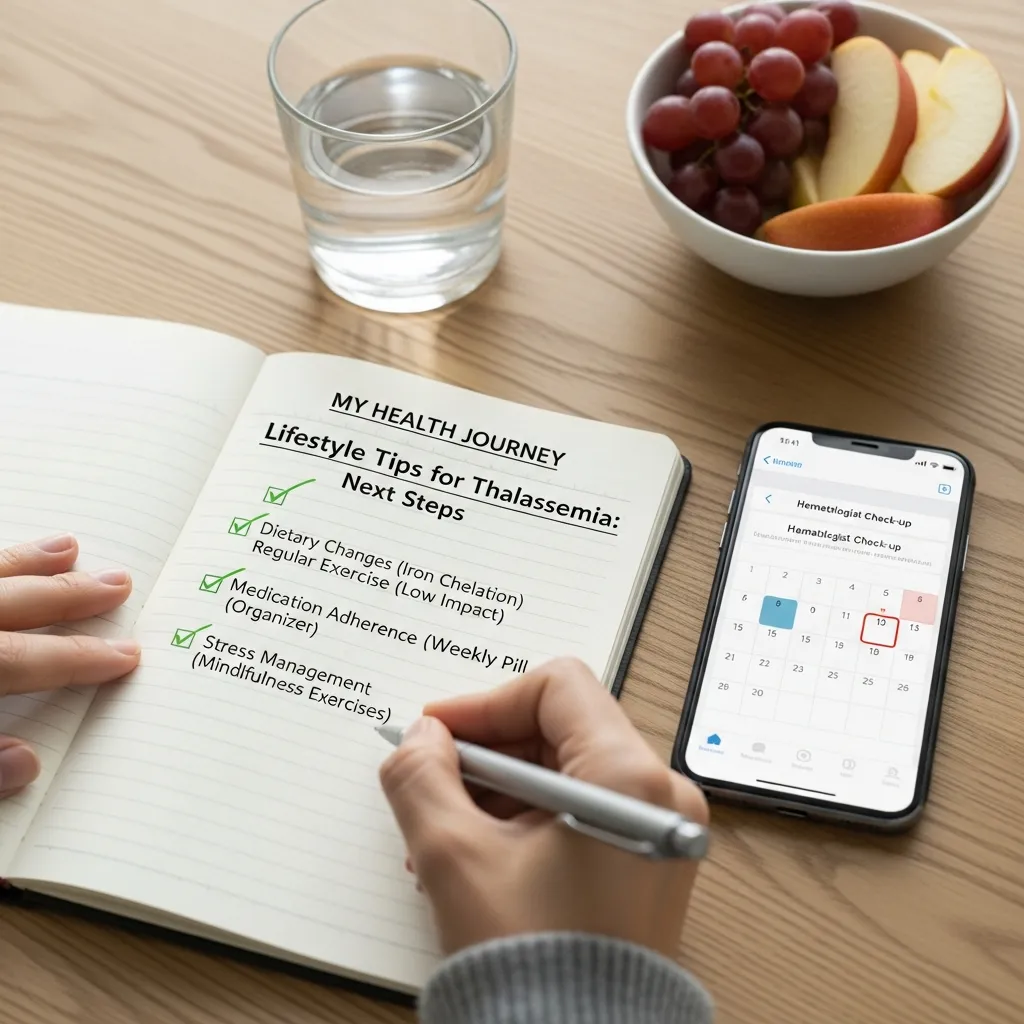
    Next steps for thalassemia careManaging thalassemia successfully requires a holistic approach that blends rigorous medical adherence with smart, daily lifestyle choices. By carefully monitoring dietary iron, engaging in safe physical activity, prioritizing sleep, and actively participating in mental health care, individuals can vastly improve their daily stamina and long-term prognosis.

    These lifestyle tips for thalassemia are not meant to replace medical advice; rather, they are designed to work alongside clinical treatments to optimize physical resilience. Following consistent Lifestyle Tips for Thalassemia can help individuals build sustainable habits that support energy levels, reduce complications, and improve overall quality of life.

    The next step is to turn knowledge into action. Start by identifying one or two realistic changes—such as improving meal planning, adjusting sleep routines, or introducing light exercise—and gradually build from there. Small, consistent improvements are more effective than sudden, overwhelming changes.

    Begin your journey by auditing your pantry for iron-rich or iron-fortified foods that may need moderation, or schedule a consultation with your medical team to discuss a personalized exercise and nutrition plan. Tracking symptoms and energy levels daily can also help you understand what works best for your body.

    Take control of your daily habits, stay consistent with your medical care, and apply Lifestyle Tips for Thalassemia step by step. With time, these practical actions can lead to better health stability, improved stamina, and a more confident approach to living with thalassemia.

    Conclusion

    Lifestyle Tips for Thalassemia play a vital role in improving daily well-being, managing symptoms, and preventing complications. A combination of healthy eating, safe physical activity, stress control, adequate rest, and regular medical follow-ups can significantly enhance quality of life. While thalassemia is a lifelong condition, adopting consistent Lifestyle Tips for Thalassemia helps individuals maintain better energy levels, reduce health risks, and live more active and fulfilling lives with proper medical support.

    Frequently Asked Questions

    1. How much does it cost to implement a thalassemia-friendly diet?

    Implementing a thalassemia-friendly diet does not need to be expensive. By choosing affordable plant-based calcium sources, seasonal vegetables, and lean poultry over expensive red meats, individuals can manage their iron intake without increasing their grocery budget.

    2. What are the physical limits for someone exercising with thalassemia?

    Physical limits vary by individual, but generally, patients should avoid high-intensity interval training (HIIT) or heavy weightlifting that demands excessive oxygen. The primary limit is defined by the onset of severe shortness of breath or dizziness, which indicates the body is not circulating enough oxygen.

    3. What are the alternatives to regular exercise if I experience chronic bone pain?

    If traditional exercise causes joint or bone pain, water aerobics and swimming are the best alternatives. The buoyancy of the water removes the impact weight from the skeletal system while still providing cardiovascular benefits.

    4. How does thalassemia directly affect mental health?

    The chronic fatigue associated with low hemoglobin can mimic or exacerbate symptoms of depression. Furthermore, the constant burden of scheduling medical appointments, managing medications, and dealing with insurance can lead to severe medical burnout and anxiety.

    5. Is it safe to travel to high-altitude destinations with thalassemia?

    Traveling to high-altitude environments is generally not recommended for individuals with severe thalassemia. High altitudes have lower oxygen concentrations, which forces the already compromised red blood cells to work harder, potentially triggering a severe anemic crisis or cardiac strain.

    6. Can stress worsen thalassemia symptoms?

    Yes, high stress levels can increase fatigue, weaken immunity, and worsen overall well-being in individuals with thalassemia. Stress management techniques like meditation and breathing exercises can help improve symptoms.

    7. What type of diet is best for thalassemia patients?

    A balanced diet rich in fruits, vegetables, folic acid, and moderate protein is ideal. Iron intake should be carefully monitored based on medical advice to avoid overload.

    8. How important is sleep for people with thalassemia?

    Sleep is very important because it helps the body recover from fatigue and supports healthy blood production and immune function.

    9. Can thalassemia patients lead a normal life?

    Yes, with proper treatment, lifestyle management, and regular monitoring, many people with thalassemia can live active and fulfilling lives.

    10. Why are regular checkups important in thalassemia?

    Regular checkups help monitor hemoglobin levels, detect complications early, and ensure that treatment and lifestyle strategies are working effectively.

    Blood Disorder Lifestyle Healthy Living with Thalassemia Lifestyle Tips for Thalassemia Thalassemia Care Thalassemia Diet Plan
    Share. Facebook Twitter Pinterest LinkedIn Tumblr Email
    Previous ArticleYour Guide to the Best Foods for Thalassemia Patients
    Next Article Why you need a thalassemia carrier screening test and blood plan
    admin
    • Website

    Related Posts

    Thalassemia Awareness

    Thalassemia Symptoms in Children: A Complete Parent’s Guide

    June 11, 2026
    Thalassemia Awareness

    High Thalassemia Prevalence in South Asia: A Care Guide

    June 10, 2026
    Thalassemia Awareness

    Thalassemia Awareness in Bangladesh: A Lifesaving Guide

    June 9, 2026
    Add A Comment
    Leave A Reply Cancel Reply

    Top Posts

    Foods to Avoid in Thalassemia: A Complete Diet and Nutrition Guide

    May 9, 20269 Views

    A Complete Guide to Thalassemia Blood Transfusion Frequency

    May 3, 20269 Views

    Strengthening Support Networks for Thalassemia Affiliates

    April 6, 20269 Views
    Latest Reviews
    Stay In Touch
    • Facebook
    • YouTube
    • TikTok
    • WhatsApp
    • Twitter
    • Instagram
    Facebook X (Twitter) Instagram Pinterest
    • About us
    • Contact us
    • Privacy Policy
    • Terms and Conditions
    © 2026 Thalassemiacarehub. All Rights Reserved.

    Type above and press Enter to search. Press Esc to cancel.