



Genetic counseling for thalassemia helps individuals understand carrier status, inheritance risks, and reproductive options. It provides expert guidance through screening, family planning, and testing decisions, enabling informed choices to prevent or manage thalassemia in future generations.
Genetic counseling for thalassemia helps individuals and couples understand their risk of passing the genetic blood disorder to their children. A certified genetic counselor reviews family medical history, coordinates genetic testing, explains carrier status, and provides emotional support to help families make informed reproductive and healthcare decisions.
A diagnosis of a genetic blood disorder often brings a flood of questions about the future. For individuals with a family history of anemia, understanding how traits pass from one generation to the next is essential. Genetic counseling for thalassemia provides a clear, medically accurate roadmap for navigating these complex questions.
Whether you are planning a family, managing a recent diagnosis, or simply exploring your genetic background, working with a specialist offers clarity and direction. This comprehensive guide explains everything you need to know about the genetic counseling process, how it impacts family planning, and what steps you can take to protect your family’s health.
In addition, genetic counseling for thalassemia plays a crucial role in early detection and prevention strategies. By identifying carriers before conception, couples can explore reproductive options such as prenatal testing, IVF with preimplantation genetic diagnosis (PGD), or other assisted reproductive technologies. This proactive approach significantly reduces the risk of passing severe forms of thalassemia to future children.
The process also helps individuals better understand the difference between being a carrier and having an active form of the disease. Many people discover they are asymptomatic carriers only through genetic screening, which makes counseling an essential step in preventing unexpected health outcomes in children.
Furthermore, genetic counseling for thalassemia provides emotional and psychological support during what can be a stressful decision-making process. Counselors help families weigh medical, ethical, and personal factors while ensuring they fully understand their options.
Ultimately, genetic counseling for thalassemia empowers families with knowledge, clarity, and confidence. It transforms uncertainty into informed decision-making, helping individuals take control of their reproductive health and future family planning.
What is thalassemia and why is genetic counseling important?
 Thalassemia is an inherited blood disorder characterized by the body’s inability to produce adequate amounts of hemoglobin. Hemoglobin is the vital protein within red blood cells responsible for carrying oxygen throughout the body. When hemoglobin production drops, red blood cells cannot function properly, leading to chronic anemia, fatigue, and a range of systemic complications.
What exactly is thalassemia?
According to the Centers for Disease Control and Prevention (CDC), thalassemia occurs when there is a mutation or deletion in the genes responsible for hemoglobin production. Because hemoglobin is made up of two main protein chains—alpha and beta—the condition is classified based on which chain is affected. Patients may experience symptoms ranging from mild fatigue to severe complications such as organ damage that may require lifelong blood transfusions.
In many cases, individuals may not even know they are carriers until genetic testing is performed, which is why early awareness is so important in preventive healthcare and reproductive planning.
How does genetic counseling for thalassemia help families?
Because thalassemia is inherited directly from parents, understanding genetic risk is essential for informed decision-making. Genetic counseling for thalassemia involves working with a trained healthcare professional who specializes in medical genetics. This expert reviews family history, recommends targeted blood and DNA tests, and explains the results in a clear and understandable way.
Genetic counseling for thalassemia also helps couples understand carrier status, inheritance patterns, and the probability of passing the condition to their children. This guidance is especially valuable for individuals planning a family, as it provides insight into reproductive options such as prenatal testing, IVF with genetic screening, or preimplantation genetic diagnosis (PGD).
Additionally, genetic counseling for thalassemia offers emotional and psychological support. Receiving information about genetic risks can be overwhelming, and counselors help families process these results while making balanced, informed choices about their future.
Choosing genetic counseling over general consultation is important when detailed risk assessment and prevention strategies are needed. It provides not only medical clarity but also long-term planning support for families affected by inherited blood disorders.
What are the different types of thalassemia and how are they inherited?
To fully understand the importance of genetic counseling for thalassemia, it is essential to first learn how the disorder develops and how genetic traits are passed through generations. Thalassemia is not a single condition but a group of inherited blood disorders that affect hemoglobin production.
What is alpha thalassemia?
Alpha thalassemia occurs when one or more of the four genes responsible for producing the alpha-globin chains are missing or mutated. The severity of the condition depends on how many genes are affected:
- One missing gene: Silent carrier, no symptoms but can pass the gene to children.
- Two missing genes: Alpha thalassemia trait (minor), causes mild anemia.
- Three missing genes: Hemoglobin H disease, leads to moderate to severe anemia requiring medical care.
- Four missing genes: Alpha thalassemia major, a severe condition that is often fatal before or shortly after birth.
These variations highlight why genetic counseling for thalassemia is critical for understanding individual risk levels before pregnancy.
What is beta thalassemia?
Beta thalassemia involves mutations in the two genes responsible for producing beta-globin chains:
- One mutated gene: Beta thalassemia minor (carrier), usually causes mild or no symptoms.
- Two mutated genes: Beta thalassemia major (Cooley’s anemia) or intermedia, which can require lifelong blood transfusions and ongoing medical management.
The clinical severity depends on how much functional beta-globin the body can still produce, making early diagnosis essential in genetic counseling for thalassemia.
How do parents pass thalassemia to their children?
Thalassemia follows an autosomal recessive inheritance pattern, meaning a child must inherit two mutated genes—one from each parent—to develop a severe form of the disease.
If both parents are carriers, each pregnancy has:
-
- 25% chance of an affected child
- 50% chance of a carrier child
- 25% chance of an unaffected child
This predictable inheritance pattern is a key reason why genetic counseling for thalassemia plays a vital role in family planning decisions.
Why genetic counseling for thalassemia is important here
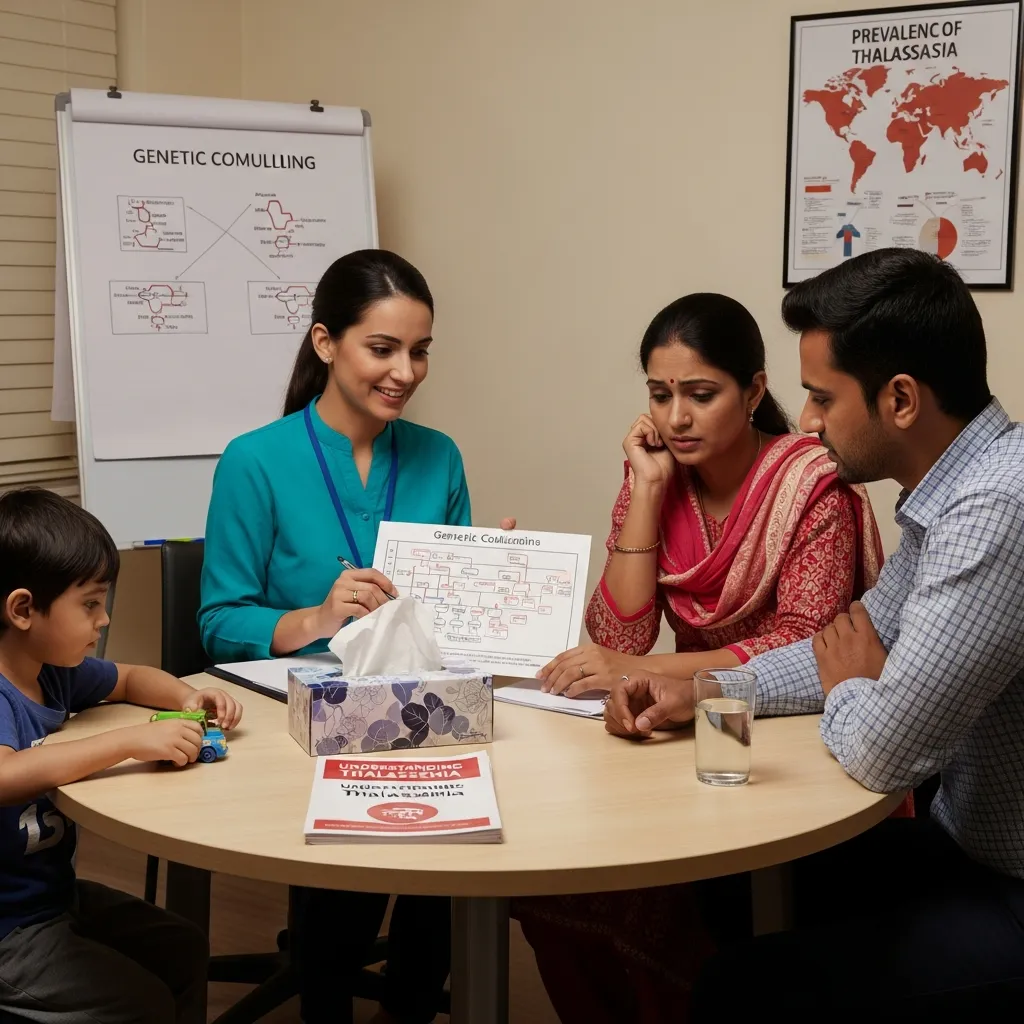 Genetic counseling for thalassemia helps families interpret these probabilities in a practical, real-world context. Counselors explain risk percentages, recommend carrier screening for partners, and guide couples toward reproductive options such as prenatal diagnosis or IVF with preimplantation genetic testing (PGT). This ensures families can make informed decisions based on both medical facts and personal values.
What role does genetic counseling play in thalassemia management?
Genetic counseling for thalassemia serves multiple functions depending on where a patient is in their life journey. It offers preventative strategies, diagnostic clarity, and ongoing management support.
Why is pre-conception counseling for thalassemia recommended?
For couples planning a family, pre-conception counseling is the most proactive step available. A genetic counselor will evaluate both partners to determine their carrier status before a pregnancy occurs. Identifying risks early allows couples to explore alternative reproductive options, such as in vitro fertilization (IVF) with preimplantation genetic testing (PGT). This technology screens embryos for the thalassemia mutation before implantation, ensuring the child will not suffer from the severe form of the disease.
What happens during prenatal diagnosis and counseling?
If a woman is already pregnant and both parents are known carriers, genetic counseling for thalassemia shifts toward prenatal diagnosis. Counselors coordinate tests such as chorionic villus sampling (CVS) or amniocentesis. CVS is typically performed between weeks 10 and 13 of pregnancy, while amniocentesis occurs between weeks 15 and 20. The counselor helps parents process these test results, explaining the exact health outcomes for the baby and discussing all available medical and reproductive choices in a non-directive, supportive environment.
How does counseling support affected individuals and families?
A genetic counselor does not disappear after delivering test results. They provide ongoing education and act as an advocate for the family. They connect patients with comprehensive care centers, hematologists, and community support groups. For families navigating a new diagnosis, the counselor breaks down complex medical jargon into actionable steps, helping parents understand treatment protocols like iron chelation and transfusion schedules.
What should you expect during the genetic counseling process?
Many people feel anxious before their first appointment. Knowing exactly how the process works can alleviate fear and help you prepare the right questions.
What happens during the initial consultation and family history review?
The process begins with an in-depth conversation. The genetic counselor will map out a detailed family tree, known as a pedigree, tracking the health history of relatives across at least three generations. They will look for patterns of anemia, unexplained infant loss, or known blood disorders within your extended family.
How is genetic testing for thalassemia performed?
If the family history suggests a risk, the counselor will recommend specific diagnostic tests. This usually starts with a complete blood count (CBC) and a hemoglobin electrophoresis to examine the size, shape, and volume of your red blood cells.
Thalassemia Carrier Screening Test Guide
To confirm specific genetic mutations, the counselor will order a DNA analysis. You can learn more about how these specific diagnostics work by reading this Thalassemia Carrier Screening Test Guide. These blood tests determine your exact carrier status and clarify your risk profile.
How do doctors interpret results and assess risk?
Once the laboratory returns the genetic data, the counselor interprets the complex results. They calculate the precise statistical probability of your children inheriting the disorder. Instead of simply handing you a lab report, the counselor explains what the specific mutation means for your daily health and your future family planning.
What psychological and emotional support is available?
Receiving news that you carry a severe genetic mutation can cause grief, guilt, or anxiety. Genetic counselors are trained in psychology and crisis intervention. They help individuals process these heavy emotions, facilitating communication between partners and referring families to long-term therapists or support groups like the Thalassaemia International Federation (TIF) for continued care.
What are the main benefits of genetic counseling for thalassemia?
Engaging with a genetic counselor provides tangible benefits that directly impact public health and individual well-being.
How does it support informed family planning?
Genetic counseling for thalassemia removes the guesswork from family planning. By clearly defining the risks, couples can make choices aligned with their ethical, religious, and financial values. Whether a couple chooses to proceed with a natural pregnancy, utilize IVF with genetic testing, or explore adoption, their decisions are based on accurate scientific data rather than fear.
Can genetic counseling reduce the incidence of thalassemia?
Yes. In regions where thalassemia is highly prevalent, such as the Mediterranean, Middle East, and Southeast Asia, widespread genetic counseling and mandatory premarital screening have drastically reduced the number of children born with severe thalassemia. Education and proactive screening are the most effective tools for public health prevention.
How does knowledge empower families?
Understanding your genetics empowers you to advocate for your own health. Carriers of the thalassemia trait are often misdiagnosed with simple iron deficiency anemia and prescribed unnecessary iron supplements, which can be harmful. Knowing your true genetic status prevents these medical errors and ensures you receive the correct care.
What are common concerns and misconceptions about thalassemia?
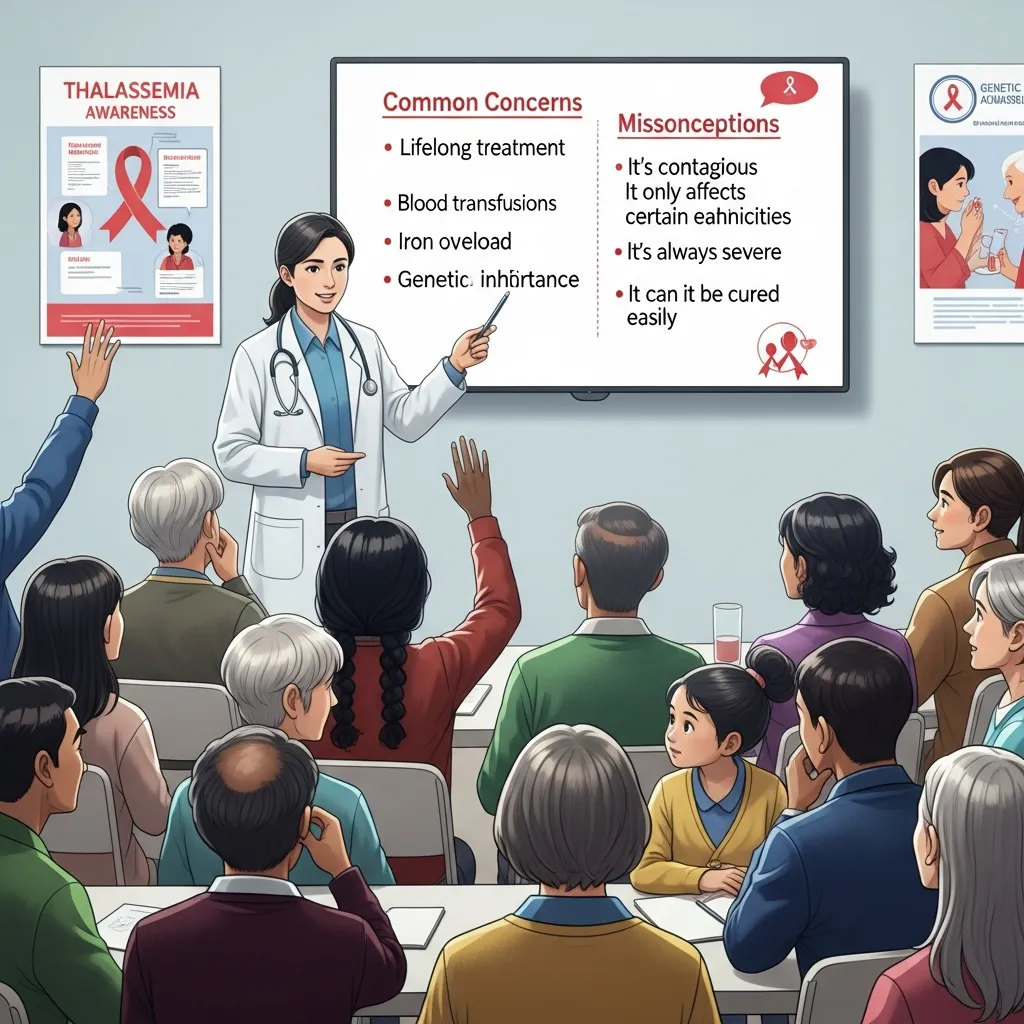 Navigating a genetic diagnosis requires addressing common fears and clearing up medical misinformation.
How does thalassemia affect daily lifestyle and what should you expect?
A diagnosis of thalassemia does not mean an end to an active, fulfilling life. However, it does require specific adjustments to daily routines to maintain energy levels and protect internal organs from iron accumulation.
Lifestyle Tips for Thalassemia
Patients must balance rest with moderate physical activity to avoid straining their cardiovascular system. For practical advice on managing fatigue and staying active safely, explore these lifestyle tips for thalassemia.
Best Foods for Thalassemia Patients
Diet plays a significant role in managing blood health. Focus on consuming folate-rich foods like leafy greens and legumes, which support healthy red blood cell production. Discover specific meal planning ideas by reviewing the best foods for thalassemia patients.
Foods to Avoid in Thalassemia
Equally important is knowing what to eliminate. Because the body absorbs excess iron to compensate for poor hemoglobin production, patients must avoid iron-fortified cereals, red meat, and eating vitamin C-rich foods alongside iron sources. Review this comprehensive list of foods to avoid in thalassemia to protect your liver and heart.
What is the future of thalassemia treatment and research?
The medical landscape for treating severe blood disorders is rapidly evolving. Gene therapy and advanced medications are showing incredible promise in reducing the need for chronic blood transfusions.
Stem Cell Transplant for Thalassemia Guide
Currently, the only established cure for severe thalassemia is a bone marrow or stem cell transplant. This complex procedure replaces the defective stem cells with healthy ones from a compatible donor. To understand the risks, benefits, and matching process, read this detailed Stem Cell Transplant for Thalassemia Guide.
Frequently asked questions about genetic counseling for thalassemia
1. What is the primary purpose of genetic counseling for thalassemia?
The primary purpose is to help individuals and couples understand their risk of inheriting or passing on thalassemia. The counselor explains genetic test results, discusses family planning options, and provides emotional support to help families make informed healthcare decisions.
2. Who should seek genetic counseling for thalassemia?
You should seek genetic counseling if you have a family history of thalassemia, unexplained anemia, belong to a high-risk ethnic group (such as Mediterranean, Middle Eastern, or Southeast Asian), or are planning a pregnancy.
3. How much does genetic testing for thalassemia cost?
The cost varies depending on location, insurance coverage, and the type of test. Many insurance plans may cover carrier screening if it is medically necessary.
4. What is the difference between being a thalassemia carrier and having the disease?
A carrier has one mutated gene and usually has no or mild symptoms. A person with thalassemia disease inherits two mutated genes and may require lifelong treatment.
5. Can a child be born with thalassemia if only one parent is a carrier?
No. If only one parent is a carrier, the child cannot have the severe form but may inherit carrier status.
6. Can genetic counseling for thalassemia be done before marriage or pregnancy?
Yes. Genetic counseling for thalassemia is often recommended before marriage or pregnancy so couples can understand their carrier status and make informed reproductive decisions early.
7. How accurate is genetic testing in detecting thalassemia carriers?
Genetic testing is highly accurate and can identify specific mutations in alpha or beta globin genes, making it a reliable tool in genetic counseling for thalassemia.
8. Is genetic counseling for thalassemia a one-time session?
Not always. Many families require multiple sessions, especially when reviewing test results, discussing pregnancy plans, or exploring reproductive options like IVF or prenatal diagnosis.
9. Can genetic counseling reduce the risk of having a child with thalassemia?
Yes. While it does not change genetics, it helps couples choose options like prenatal testing or IVF with genetic screening to reduce the risk of passing on severe thalassemia.
10. Does genetic counseling for thalassemia include emotional support?
Yes. Genetic counseling for thalassemia also provides emotional and psychological support to help families cope with anxiety, uncertainty, and complex medical decisions.
