

Close Menu

    Subscribe to Updates

    Get the latest creative news from FooBar about art, design and business.

    What's Hot

    Thalassemia Symptoms in Children: A Complete Parent’s Guide

    June 11, 2026

    High Thalassemia Prevalence in South Asia: A Care Guide

    June 10, 2026

    Thalassemia Awareness in Bangladesh: A Lifesaving Guide

    June 9, 2026
    Facebook X (Twitter) Instagram
    Thursday, June 11
    Facebook X (Twitter) Instagram Pinterest Vimeo
    My BlogMy Blog
    • Homepage
    • About us
    • Contact us
    My BlogMy Blog
    Home»Thalassemia Awareness»Thalassemia Treatment in Bangladesh: A Complete Guide
    Thalassemia Awareness

    Thalassemia Treatment in Bangladesh: A Complete Guide

    adminBy adminJune 8, 2026Updated:June 8, 2026No Comments13 Mins Read
    Share Facebook Twitter Pinterest LinkedIn Tumblr Reddit Telegram Email
    Thalassemia Treatment in Bangladesh
    Share
    Facebook Twitter LinkedIn Pinterest Email

    Thalassemia treatment in Bangladesh includes blood transfusions, iron chelation therapy, and bone marrow transplantation. While challenges such as treatment costs and limited resources remain, improved healthcare services, screening programs, and patient support are helping individuals manage thalassemia more effectively.

    Thalassemia treatment in Bangladesh centers on regular blood transfusions, iron chelation therapy, and supportive care, with bone marrow transplant offering a potential cure. Yet high costs, limited specialized centers, and low awareness remain major barriers for thousands of affected families nationwide.

    Thalassemia is one of the most pressing public health challenges in Bangladesh, quietly affecting tens of thousands of children and families. Many carriers never know they hold the gene until a child is born with the disease. The result is a lifelong struggle marked by frequent hospital visits, costly medication, and emotional strain.

    Understanding thalassemia treatment in Bangladesh matters because awareness and access can change outcomes dramatically. With the right knowledge, families can seek earlier diagnosis, plan for care, and explore prevention options that protect future generations.

    This guide breaks down everything you need to know—from the available treatment options and their real-world challenges to the role of government, NGOs, and emerging therapies. Whether you are a patient, caregiver, or healthcare advocate, you will find clear, practical information here.

    What is thalassemia and how common is it in Bangladesh?

    Thalassemia is a genetic blood disorder that affects the body’s ability to produce healthy hemoglobin—the protein in red blood cells that carries oxygen. When hemoglobin production is impaired, patients develop chronic anemia, fatigue, and a range of serious complications.

    What are the main types of thalassemia?

    Thalassemia is classified by severity:

    • Thalassemia minor: Carriers inherit one faulty gene and usually have mild or no symptoms. Many discover their status only through a routine blood test.
    • Thalassemia intermedia: This moderate form causes noticeable anemia and fatigue, sometimes requiring occasional blood transfusions.
    • Thalassemia major: Also called Cooley’s anemia, this is the most severe form. Patients depend on regular blood transfusions and lifelong medical care to survive.

    How prevalent is thalassemia in Bangladesh?

    Bangladesh sits within the global “thalassemia belt,” a region with high carrier rates. Studies estimate that roughly 6 to 12 percent of the population carries the thalassemia or hemoglobin E trait. Thousands of children are born with the disorder each year, placing enormous pressure on families and the healthcare system. Cousin marriages and low public awareness contribute to the steady rise in new cases.

    What are the current thalassemia treatment options in Bangladesh?
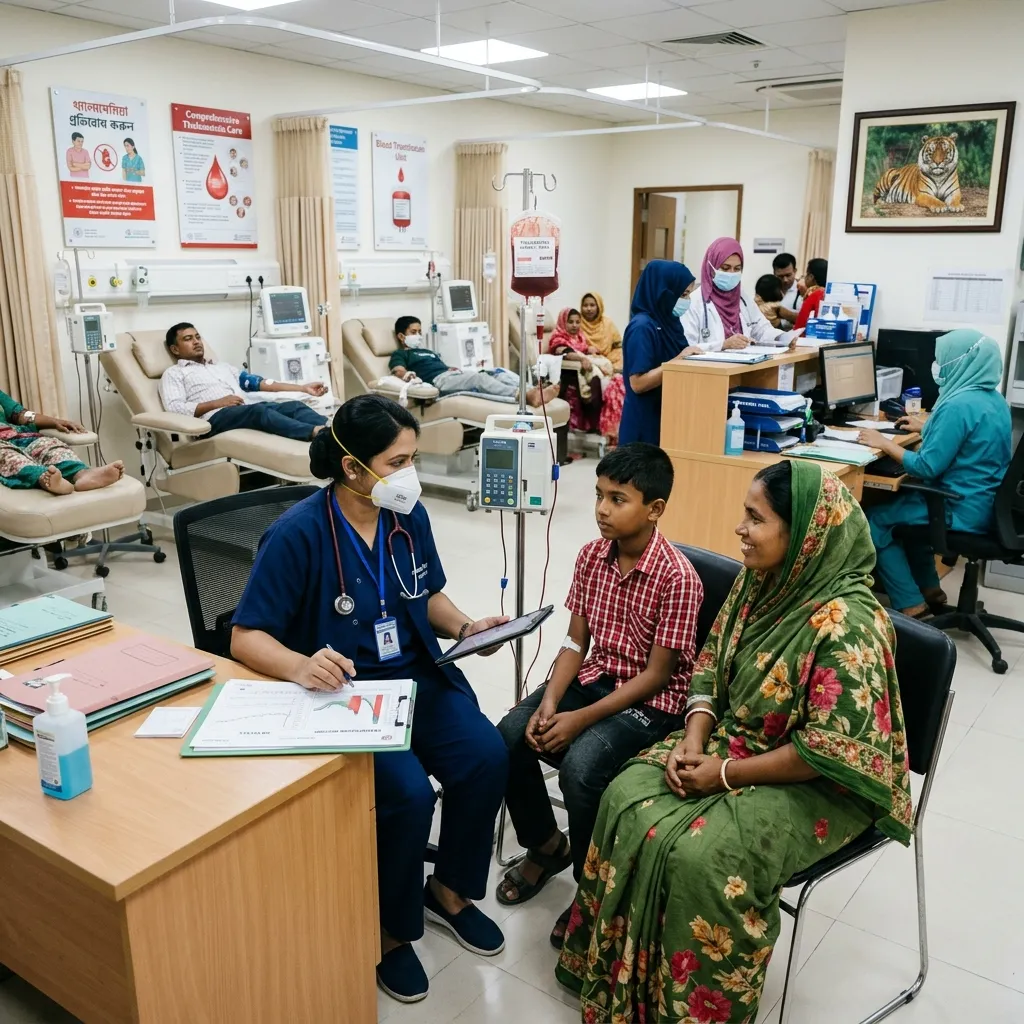
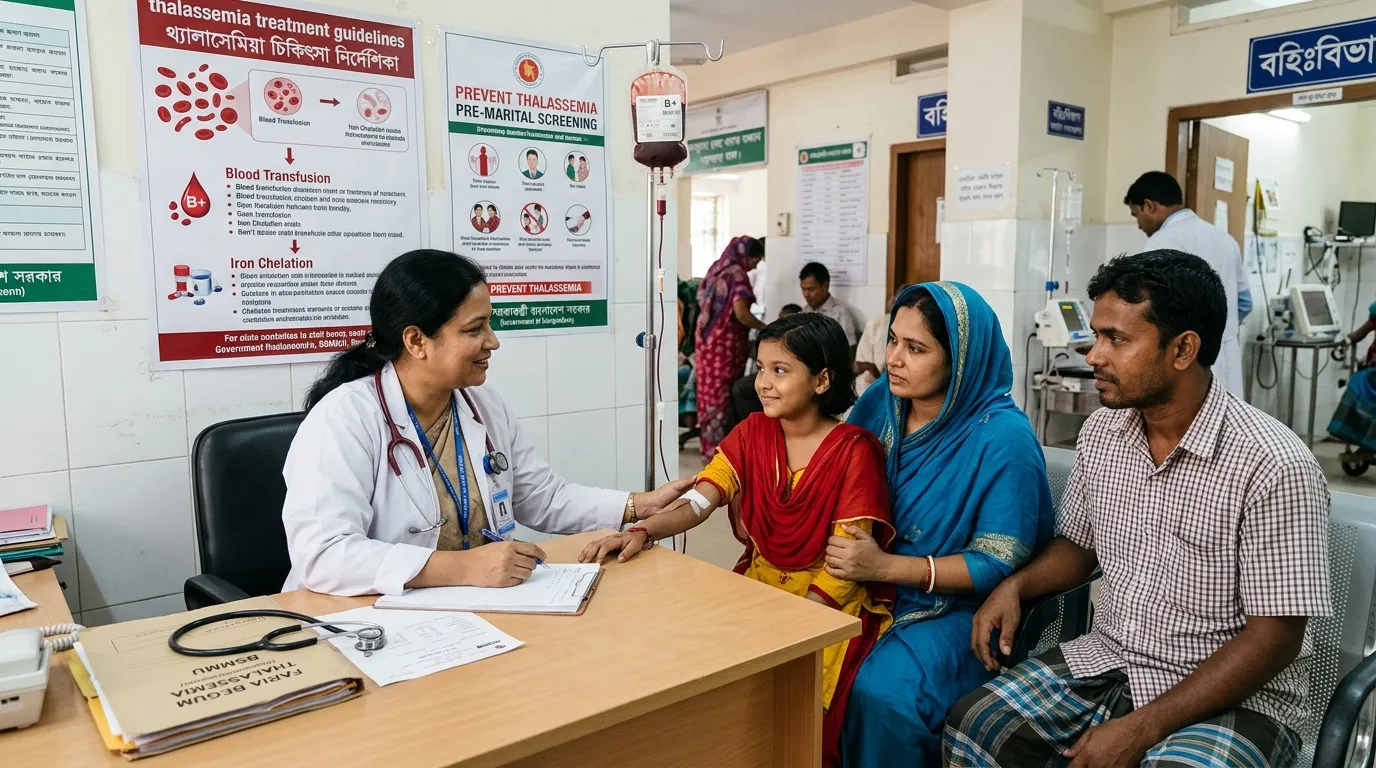
    Thalassemia treatment options available in BangladeshTreatment focuses on managing symptoms, preventing complications, and—when possible—curing the disease. Here are the primary approaches available across the country.

    How do blood transfusions help thalassemia patients?

    Blood transfusions are the lifeline for patients with thalassemia major. By supplying healthy red blood cells the body cannot produce, transfusions reduce anemia and support normal growth in children.

    Most patients need transfusions every two to four weeks, depending on severity. While the treatment saves lives, it comes with real challenges in Bangladesh:

    • Availability: Safe blood supply is not always consistent, especially in rural areas.
    • Safety: Screening for infections like hepatitis and HIV is essential but not uniform across all centers.
    • Cost: Frequent transfusions add up, straining family finances over time.

    Why is iron chelation therapy necessary?

    Repeated transfusions flood the body with iron, which it cannot eliminate naturally. Over time, this excess iron builds up in the heart, liver, and other organs, causing dangerous damage.

    Iron chelation therapy binds and removes this surplus iron. Common chelating agents include oral medications like deferasirox and deferiprone, as well as injectable deferoxamine. Adherence remains a major hurdle—some patients skip doses due to cost, side effects like nausea, or the inconvenience of daily treatment. Consistent chelation is critical to prevent organ failure.

    Can a bone marrow transplant cure thalassemia in Bangladesh?

    A bone marrow transplant (BMT), also known as a stem cell transplant, is currently the only established cure for thalassemia. It replaces faulty bone marrow with healthy stem cells from a matched donor, allowing the body to produce normal hemoglobin.

    Eligibility depends on several factors:

    • Age: Younger patients without significant organ damage tend to have the best outcomes.
    • Donor match: A matched sibling donor offers the highest success rate.
    • Overall health: Patients with severe complications face higher risks.

    In ideal cases, success rates can exceed 80 percent. However, BMT availability in Bangladesh is limited. Few centers offer the procedure, costs are high, and finding a matched donor can be difficult. Many families travel abroad—often to India—for treatment. To understand the procedure in depth, read our complete guide on the stem cell transplant for thalassemia.

    What supportive care helps manage thalassemia?

    Beyond core treatments, supportive care plays a vital role in patient well-being:

    • Folic acid supplementation: Helps the body produce healthy red blood cells.
    • Splenectomy: Removal of the spleen may be needed when it becomes overactive and destroys too many blood cells.
    • Lifestyle management: Balanced nutrition, safe exercise, and stress control improve daily energy and long-term health. Explore our practical lifestyle tips for thalassemia to learn more.

    What are the biggest barriers to effective thalassemia treatment in Bangladesh?

    Despite available treatments, families face significant obstacles that affect the quality and consistency of care.

    How heavy is the economic burden on families?

    Thalassemia treatment is expensive and lifelong. Regular transfusions, chelation drugs, and frequent tests can cost a family thousands of taka each month. For low- and middle-income households, this financial strain is overwhelming and often forces patients to skip treatments.

    Is there enough infrastructure and specialized care?

    Bangladesh has only a handful of dedicated thalassemia treatment centers, most concentrated in major cities like Dhaka. Rural patients must travel long distances for care, and specialized facilities for bone marrow transplants remain scarce.

    Are there enough skilled healthcare professionals?

    The country faces a shortage of hematologists and trained specialists who can manage complex thalassemia cases. This gap limits the quality of care, especially outside urban centers.

    Why do awareness and early diagnosis gaps persist?

    Many people remain unaware of thalassemia and their carrier status. Without screening, couples may unknowingly pass the gene to their children. Raising public awareness is one of the most powerful tools for prevention—learn why in our article on thalassemia awareness importance.

    How do geographic disparities affect access to care?

    Urban patients have far better access to treatment than those in rural regions. Limited transport, fewer facilities, and inconsistent blood supply mean many rural families struggle to maintain regular care.

    What new and emerging therapies offer hope?
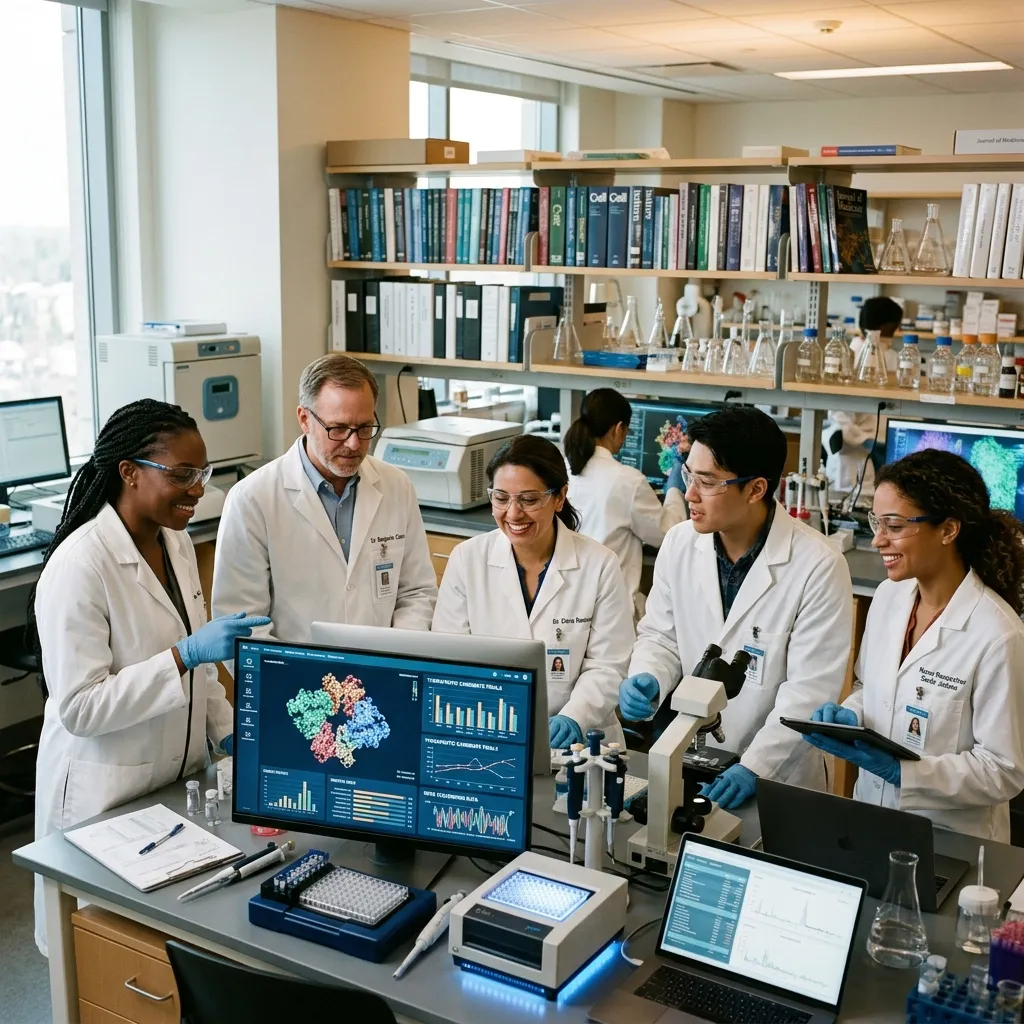
    New and emerging treatments for thalassemiaThe future of thalassemia treatment in Bangladesh looks more promising as global medical science advances.

    • Gene therapy: Researchers are developing methods to correct the faulty gene in a patient’s own stem cells, removing the need for a donor. While not yet widely available in Bangladesh, it holds enormous long-term potential.
    • Novel drug development: New medications aim to boost healthy hemoglobin production and reduce transfusion dependence.
    • Improved diagnostics: Faster, more affordable screening tools are making early detection easier and more accessible.

    As these innovations mature, they could transform care for thousands of patients across the country.

    What role do the government and NGOs play in thalassemia care?

    Tackling thalassemia requires coordinated effort from public and private organizations.

    What is the government doing?

    The Bangladeshi government has begun recognizing thalassemia as a public health priority. Efforts include supporting screening initiatives, raising awareness, and improving blood transfusion services. Continued investment in specialized centers and subsidized treatment is essential.

    How do NGOs and foundations contribute?

    Non-governmental organizations fill critical gaps in care. Groups like the Bangladesh Thalassemia Foundation provide screening, counseling, financial support, and patient education. Strong community involvement amplifies their impact—discover how through thalassemia community engagement.

    Why do collaborative efforts matter?

    When government bodies, NGOs, hospitals, and communities work together, outcomes improve. Shared resources, unified awareness campaigns, and coordinated screening programs reduce the disease burden far more effectively than isolated efforts.

    How can thalassemia be prevented in Bangladesh?

    Prevention is the most cost-effective strategy for reducing the burden of thalassemia. Because it is an inherited disorder, identifying carriers before parenthood can dramatically lower the number of affected births.

    Why is pre-marital and pre-conception screening important?

    Carrier screening identifies whether a person carries the thalassemia gene. When both partners are carriers, there is a one-in-four chance their child will inherit thalassemia major. Screening before marriage or pregnancy allows couples to make informed decisions. Learn more in our thalassemia carrier screening test guide.

    How does genetic counseling help?

    Genetic counseling helps couples understand inheritance patterns, interpret test results, and explore their reproductive options. It empowers families to plan with confidence and clarity.

    Do public awareness campaigns make a difference?

    Yes. Countries that ran nationwide awareness and screening campaigns have sharply reduced severe thalassemia births. Organizations like the Thalassemia Foundation of Bangladesh work to spread accurate information, while global bodies such as the World Health Organization provide guidelines and resources to support prevention efforts.
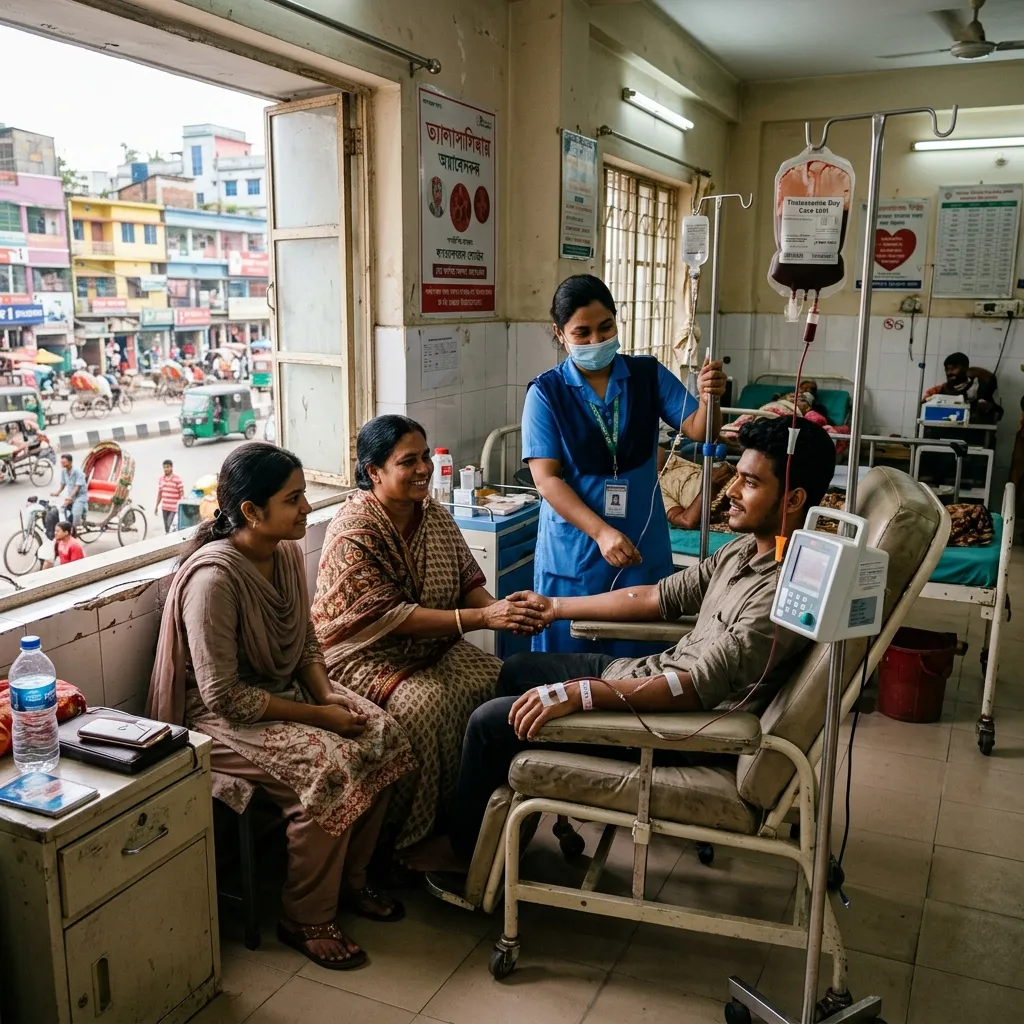
    What Is Life Like for Thalassemia Patients in Bangladesh?

    Daily life of thalassemia patients in BangladeshLiving with thalassemia involves much more than receiving medical care. For many patients, daily life includes managing physical symptoms, emotional stress, financial pressures, and ongoing healthcare needs. While advances in Thalassemia treatment in Bangladesh have improved survival rates and quality of life, patients and their families still face significant challenges.

    Regular blood transfusions are often necessary for individuals with thalassemia major, requiring frequent hospital visits every few weeks. These appointments can interfere with school, work, and social activities. In addition, many patients experience fatigue, weakness, and other health complications that affect their daily routines. Managing iron chelation therapy is also an important part of Thalassemia treatment in Bangladesh, helping prevent iron overload caused by repeated transfusions.

    The emotional impact of living with a lifelong condition can be just as challenging as the physical effects. Many patients experience anxiety about their health, treatment costs, and future opportunities. Parents of children with thalassemia often face emotional strain as they balance caregiving responsibilities with financial and personal commitments.

    Social challenges can also arise. Some patients encounter misconceptions about thalassemia, making awareness and education essential. Access to support networks can make a significant difference. Patient support groups, community organizations, and thalassemia foundations provide valuable resources, emotional support, and practical guidance for families navigating the condition.

    Despite these difficulties, many people receiving Thalassemia treatment in Bangladesh successfully pursue education, build careers, marry, and lead productive lives. Advances in medical care, improved access to treatment, and growing public awareness are helping patients achieve better health outcomes than ever before.

    With consistent medical care, emotional support, and access to quality Thalassemia treatment in Bangladesh, individuals living with thalassemia can enjoy fulfilling lives while managing their condition effectively. Continued efforts to improve healthcare services, increase awareness, and expand support programs will further enhance the well-being of thalassemia patients across Bangladesh.

    Conclusion

    Thalassemia treatment in Bangladesh has improved significantly over the years, offering patients better access to blood transfusions, iron chelation therapy, and, in some cases, bone marrow transplantation. These advances have helped many individuals live longer and healthier lives. However, challenges such as high treatment costs, limited healthcare infrastructure, and a lack of awareness continue to affect many families.

    The future of Thalassemia treatment in Bangladesh depends on stronger collaboration between healthcare providers, government agencies, NGOs, and local communities. Expanding screening programs, improving access to treatment, and increasing public awareness can help reduce the impact of this inherited blood disorder. Prevention through carrier screening and genetic counseling remains one of the most effective strategies for reducing new cases.

    If you or a family member may be at risk, consider getting tested, seeking genetic counseling, and connecting with organizations that support thalassemia patients. Early diagnosis and timely Thalassemia treatment in Bangladesh can improve outcomes, enhance quality of life, and help protect future generations from the burden of this condition.

    Frequently Asked Questions

    1. What is the best Thalassemia treatment in Bangladesh?

    The best Thalassemia treatment in Bangladesh depends on the severity of the condition. For thalassemia major, regular blood transfusions combined with iron chelation therapy are the standard treatment. A bone marrow transplant remains the only potential cure for eligible patients with a matched donor.

    2. How much does Thalassemia treatment in Bangladesh cost?

    The cost of Thalassemia treatment in Bangladesh varies depending on the patient’s needs. Regular blood transfusions and iron chelation medications can cost thousands of taka each month, while bone marrow transplantation is significantly more expensive. Government assistance programs and NGOs may help reduce treatment expenses.

    3. Is thalassemia curable in Bangladesh?

    Yes, thalassemia can be cured through a bone marrow (stem cell) transplant, which is currently the only established cure. However, access to this procedure is limited. Most patients receiving Thalassemia treatment in Bangladesh manage their condition through lifelong blood transfusions and iron chelation therapy.

    4. How often do thalassemia patients need blood transfusions?

    Patients with thalassemia major typically require blood transfusions every two to four weeks. The exact schedule depends on hemoglobin levels and overall health. Regular transfusions are a key part of Thalassemia treatment in Bangladesh.

    5. Can thalassemia be prevented?

    Yes. Carrier screening before marriage or pregnancy, along with genetic counseling, is the most effective way to prevent thalassemia. Prevention programs complement Thalassemia treatment in Bangladesh by reducing the number of affected births.

    6. Where can I get thalassemia screening in Bangladesh?

    Screening services are available at major hospitals, diagnostic centers, and organizations such as the Bangladesh Thalassemia Foundation. A simple blood test can determine whether a person is a thalassemia carrier.

    7. What is iron overload and why is it dangerous?

    Iron overload occurs when repeated blood transfusions cause excess iron to accumulate in the body. Without proper chelation therapy, excess iron can damage vital organs such as the heart and liver. Managing iron overload is an essential part of Thalassemia treatment in Bangladesh.

    8. Who is eligible for a bone marrow transplant?

    Patients who are younger, in good overall health, and have a matched sibling donor are usually the best candidates. Bone marrow transplantation offers the only curative option within advanced Thalassemia treatment in Bangladesh and abroad.

    9. Are there free or subsidized treatment options in Bangladesh?

    Yes. Some government hospitals, charitable organizations, and NGOs provide free or subsidized blood transfusions, screening, and counseling services. These programs help make Thalassemia treatment in Bangladesh more accessible to families with limited financial resources.

    10. Can people with thalassemia live a normal life?

    Yes. With proper Thalassemia treatment in Bangladesh, including regular transfusions, iron chelation therapy, routine monitoring, and healthy lifestyle habits, many individuals with thalassemia can attend school, pursue careers, and lead fulfilling lives.

    Blood Disorder Care Iron Chelation Thalassemia Bangladesh Thalassemia Cure Thalassemia Treatment
    Share. Facebook Twitter Pinterest LinkedIn Tumblr Email
    Previous ArticleThalassemia Prevention Programs: A Complete Global Guide
    Next Article Thalassemia Awareness in Bangladesh: A Lifesaving Guide
    admin
    • Website

    Related Posts

    Thalassemia Awareness

    Thalassemia Symptoms in Children: A Complete Parent’s Guide

    June 11, 2026
    Thalassemia Awareness

    High Thalassemia Prevalence in South Asia: A Care Guide

    June 10, 2026
    Thalassemia Awareness

    Thalassemia Awareness in Bangladesh: A Lifesaving Guide

    June 9, 2026
    Add A Comment
    Leave A Reply Cancel Reply

    Top Posts

    Foods to Avoid in Thalassemia: A Complete Diet and Nutrition Guide

    May 9, 20269 Views

    A Complete Guide to Thalassemia Blood Transfusion Frequency

    May 3, 20269 Views

    Strengthening Support Networks for Thalassemia Affiliates

    April 6, 20269 Views
    Latest Reviews
    Stay In Touch
    • Facebook
    • YouTube
    • TikTok
    • WhatsApp
    • Twitter
    • Instagram
    Facebook X (Twitter) Instagram Pinterest
    • About us
    • Contact us
    • Privacy Policy
    • Terms and Conditions
    © 2026 Thalassemiacarehub. All Rights Reserved.

    Type above and press Enter to search. Press Esc to cancel.